With more than 10‑year industry experience, Shandong Headpowder delivers full‑service pneumatic‑conveying systems and blowers, undertaking nationwide turn‑key powder‑handling projects.
HeadPowder, a leading engineering firm based in Shandong, China, specializes in the design and implementation of advanced pneumatic conveying systems for industrial applications. This article provides a technical analysis of chromic oxide handling systems, focusing on the comparative advantages of positive pressure and negative pressure delivery modes. The company, Shandong HeadPowder Engineering Co., Ltd., leverages over a decade of expertise to deliver customized solutions that optimize material transport efficiency and safety in various industrial settings.
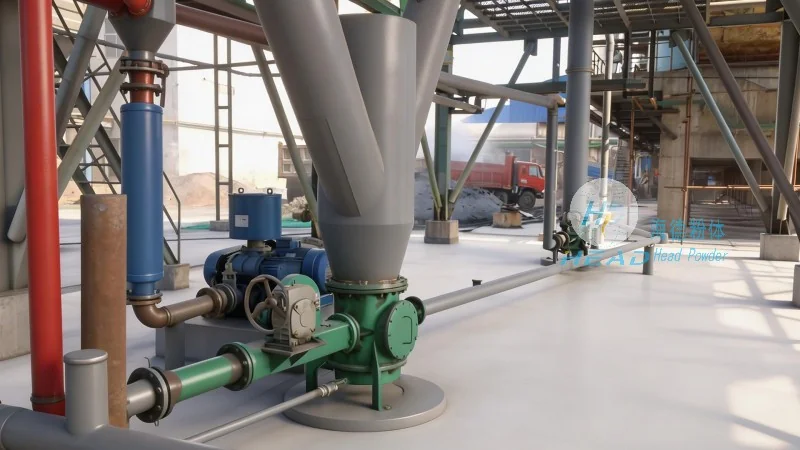
Chromic oxide, a critical industrial chemical with applications in pigments, catalysts, and corrosion inhibitors, requires specialized handling due to its abrasive and potentially hazardous nature. Pneumatic conveying systems offer a non-contact, dust-free method to transport this material, enhancing safety and operational efficiency. HeadPowder's engineering solutions are tailored to meet the unique challenges of chromic oxide, ensuring reliable and efficient material transport from storage to processing units.
Positive pressure pneumatic conveying systems operate by forcing air or a carrier gas through the material to be transported. This method is particularly effective for handling abrasive or corrosive materials like chromic oxide, as it minimizes wear on system components and reduces the risk of material degradation. The positive pressure approach also allows for longer conveying distances and can handle materials with higher moisture content or particle sizes. HeadPowder's positive pressure systems are equipped with high-efficiency filters and robust piping to maintain material quality and system longevity. The system design includes pressure vessels, rotary air locks, and pulse-jet filters, ensuring consistent material flow and minimal downtime. For chromic oxide applications, positive pressure conveying is ideal for scenarios requiring high throughput and long-distance transport, such as in large-scale pigment production facilities.
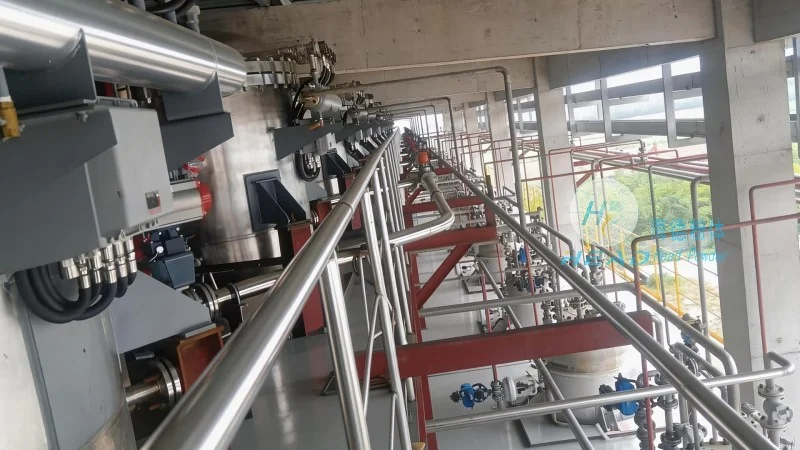
Negative pressure (or vacuum) conveying systems, on the other hand, draw material into the system using a vacuum created by a fan or blower. This method is well-suited for applications where material is to be collected from multiple points or where the receiving equipment is at a lower elevation than the source. Negative pressure conveying is generally more energy-efficient for short to medium distances and can handle lighter materials with lower particle density. However, it may be less effective for highly abrasive or dense materials like chromic oxide, as the vacuum can lead to increased wear on the suction side components and potential material degradation due to prolonged exposure to air. HeadPowder's negative pressure systems incorporate advanced vacuum pumps and sealed collection hoppers to maintain material integrity and prevent contamination. The design includes dust collection hoppers, rotary valves, and cyclone separators to ensure efficient material recovery and minimal environmental impact.
When designing a pneumatic conveying system for chromic oxide, several technical factors must be considered to ensure optimal performance. Material properties, such as particle size distribution, density, and abrasiveness, directly impact system selection. Chromic oxide particles are typically fine and abrasive, requiring materials of construction that can withstand wear, such as stainless steel or special alloys. The system must also account for the material's reactivity with air, necessitating sealed and filtered components to prevent oxidation or contamination. HeadPowder engineers conduct thorough material characterization and system simulations to select the appropriate conveying mode, pressure levels, and equipment specifications. For example, positive pressure systems may be preferred for high-volume, long-distance transport due to their ability to handle higher pressures and resist material degradation, while negative pressure systems may be suitable for collection from multiple points or in environments where noise and pressure fluctuations are concerns.
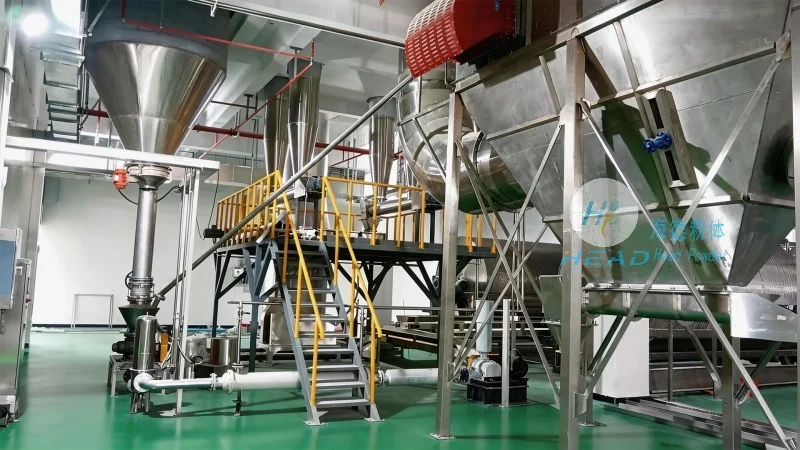
HeadPowder's pneumatic conveying solutions are fully customizable to meet the specific requirements of chromic oxide handling operations. The company works closely with clients to integrate conveying systems with existing storage, processing, and packaging equipment. This integration ensures seamless material flow from raw material storage to final product packaging, minimizing bottlenecks and improving overall plant efficiency. Customization options include adjustable pressure control systems, variable speed drives for conveying pumps, and automated material feeding mechanisms. The engineering team at HeadPowder also considers operational factors such as maintenance schedules, safety protocols, and regulatory compliance when designing the system. For instance, the system may include explosion-proof components and dust collection systems to meet safety standards in industrial facilities handling hazardous materials like chromic oxide.
The choice between positive pressure and negative pressure pneumatic conveying for chromic oxide depends on several factors, including material properties, transport distance, throughput requirements, and operational constraints. Positive pressure systems offer superior performance for high-volume, long-distance transport of abrasive materials, while negative pressure systems are more suitable for short-distance collection or applications requiring lower energy consumption. HeadPowder's technical expertise allows for the selection of the most appropriate conveying mode, ensuring optimal efficiency, safety, and cost-effectiveness. By leveraging advanced engineering and customized solutions, HeadPowder provides reliable pneumatic conveying systems that enhance the productivity and safety of chromic oxide handling operations across various industrial sectors.

 Shandong Headpowder Engineering Co., Ltd.
 156-6277-7102(Manager Zhang)
  0531-83386006
  Zhangqiu District, Jinan City, Shandong Province, China
telephone
WeChatconsult
top