With more than 10‑year industry experience, Shandong Headpowder delivers full‑service pneumatic‑conveying systems and blowers, undertaking nationwide turn‑key powder‑handling projects.
For agricultural and industrial applications, the efficient handling of cotton seeds is crucial. Pneumatic conveying systems offer a reliable method to transport these seeds from one location to another, minimizing manual labor and reducing the risk of contamination. This article provides a technical analysis of cotton seed pneumatic conveying systems, focusing on the comparison between positive pressure and negative pressure conveying modes. The discussion will cover the fundamental principles, operational characteristics, and practical considerations of each mode, helping users make informed decisions based on their specific requirements.
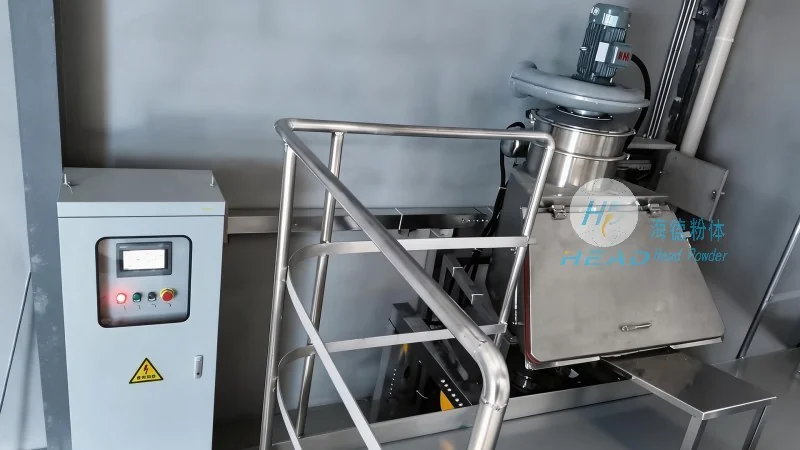
HeadPowder, or Shandong HeadPowder Engineering Co., Ltd., is a leading manufacturer specializing in the design, development, and implementation of advanced pneumatic conveying systems. With a strong presence in China, particularly in Shandong, the company has built a reputation for delivering high-quality, customized solutions tailored to the needs of various industries. HeadPowder's expertise lies in understanding the unique challenges of material handling, such as the characteristics of cotton seeds, and providing innovative solutions that enhance productivity and operational efficiency.
Pneumatic conveying systems operate by using air or gas to move materials through a pipeline. The two primary modes are positive pressure and negative pressure, each with distinct advantages and limitations. Positive pressure systems force air and material through the pipeline, while negative pressure systems draw material into the system using a vacuum. Understanding the differences between these modes is essential for selecting the most suitable system for cotton seed handling.
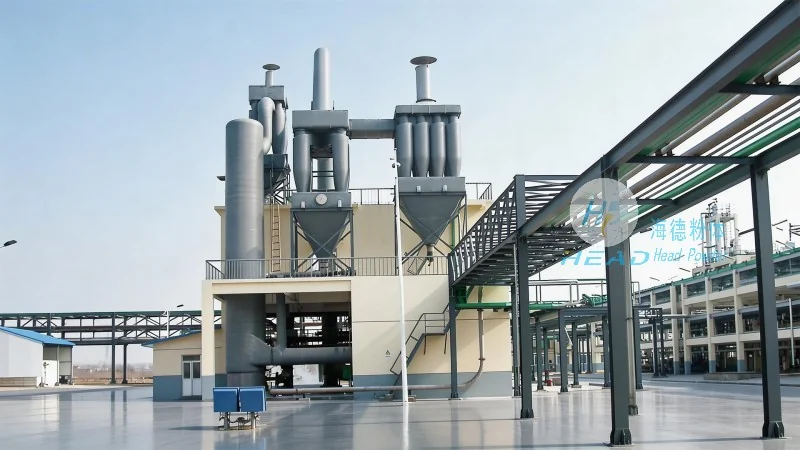
Positive pressure conveying involves the use of a blower or compressor to generate pressure within the pipeline, pushing the material forward. This mode is particularly effective for transporting cotton seeds over longer distances and through complex layouts. One of the key advantages of positive pressure systems is their ability to handle a wide range of material characteristics, including those with high moisture content or abrasive properties. Additionally, positive pressure systems are generally more robust and less prone to clogging, making them suitable for high-volume applications. However, they may require more maintenance due to the higher pressure and wear on components.
Negative pressure conveying, also known as vacuum conveying, uses a vacuum pump to create a low-pressure environment that draws material into the pipeline. This mode is ideal for applications where the material needs to be collected from multiple points or where the distance is relatively short. Negative pressure systems are often more energy-efficient for shorter distances and can handle materials that are more sensitive to pressure changes. They are also less likely to cause dust emissions compared to positive pressure systems, as the material is drawn into the system rather than being expelled. However, negative pressure systems may have limitations in terms of conveying distance and material capacity, and they can be more susceptible to clogging if the material contains large particles or debris.
When comparing positive and negative pressure conveying modes for cotton seed handling, several factors should be considered. The primary considerations include the distance to be covered, the volume of material to be transported, the complexity of the system layout, and the material characteristics of the cotton seeds. For long-distance or complex layouts, positive pressure systems are often preferred due to their higher conveying capacity and ability to handle larger particles. For shorter distances or applications requiring gentle handling, negative pressure systems may be more suitable. Additionally, the cost of equipment and maintenance should be evaluated, as positive pressure systems typically require more robust components and higher energy consumption. In contrast, negative pressure systems may have lower initial costs but could incur higher operational costs due to the vacuum pump requirements.
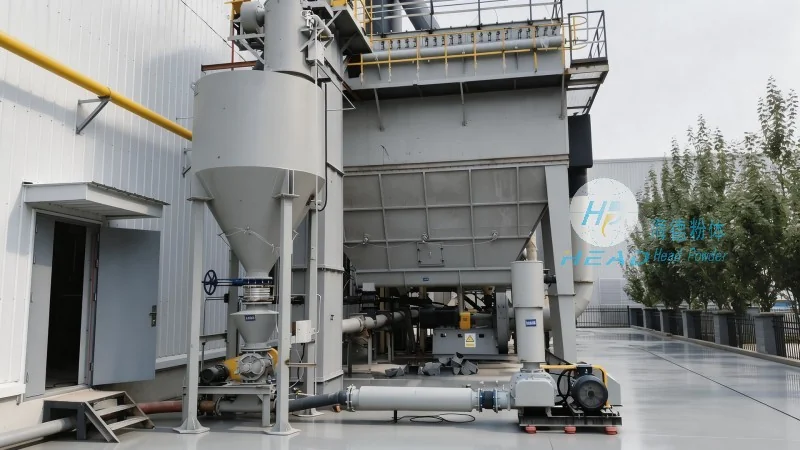
Choosing the appropriate pneumatic conveying system for cotton seed handling involves a thorough evaluation of several factors. First, the material characteristics of the cotton seeds, such as size, moisture content, and abrasiveness, must be considered. These factors influence the choice of equipment, such as the type of blower or vacuum pump, and the design of the pipeline and components. Second, the operational requirements, including the required conveying capacity, distance, and system layout, play a critical role in system selection. Third, the cost implications, including initial investment and ongoing maintenance, should be weighed against the benefits of each mode. Finally, the reliability and durability of the system are essential, as downtime can significantly impact productivity and profitability. By carefully evaluating these factors, users can select the most suitable pneumatic conveying system that meets their specific needs and ensures efficient and safe handling of cotton seeds.
In conclusion, pneumatic conveying systems offer an effective solution for the handling of cotton seeds, with positive pressure and negative pressure modes providing distinct advantages and applications. Positive pressure systems are generally more suitable for long-distance and high-volume applications, while negative pressure systems are better suited for shorter distances and applications requiring gentle handling. The choice between the two modes depends on various factors, including the specific requirements of the operation, material characteristics, and cost considerations. By understanding the technical aspects and operational characteristics of each mode, users can make an informed decision that enhances productivity, reduces operational costs, and ensures the safe and efficient handling of cotton seeds. HeadPowder, with its expertise in pneumatic conveying systems, is committed to providing customized solutions that meet the unique needs of its clients, helping them achieve optimal performance and operational efficiency in their cotton seed handling processes.

 Shandong Headpowder Engineering Co., Ltd.
 156-6277-7102(Manager Zhang)
  0531-83386006
  Zhangqiu District, Jinan City, Shandong Province, China
telephone
WeChatconsult
top