With more than 10‑year industry experience, Shandong Headpowder delivers full‑service pneumatic‑conveying systems and blowers, undertaking nationwide turn‑key powder‑handling projects.
When it comes to transporting titanium dioxide powder, selecting the right pneumatic conveying method is crucial for efficiency, cost-effectiveness, and operational safety. Two primary approaches dominate the industry: positive pressure conveying and negative pressure conveying. Each method has distinct characteristics, advantages, and applications, making it essential to understand their differences to choose the most suitable solution for specific operational needs.
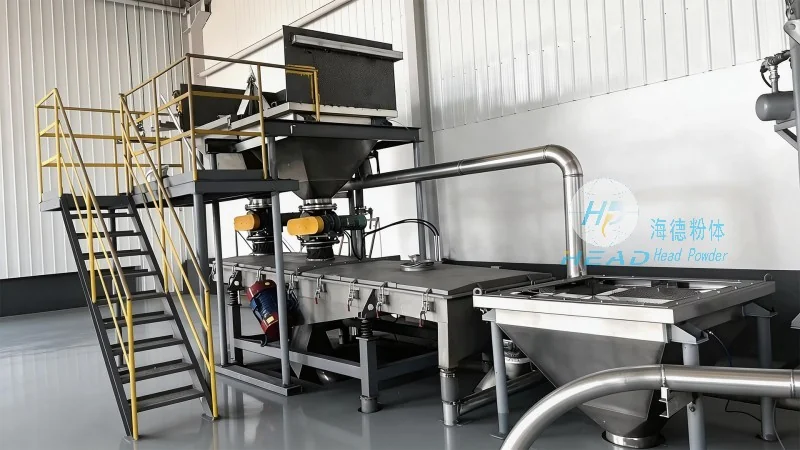
Positive pressure conveying, also known as pressure conveying, operates by generating a high-pressure air stream within the conveying system. This method forces the material to move through the pipeline under pressure. For titanium dioxide powder, this approach is particularly effective for long-distance or high-capacity transport. The system typically includes a positive displacement blower or a rotary lobe pump that supplies compressed air to the material feed point. As the air flows through the pipeline, it carries the powder particles, ensuring a continuous and controlled flow. One of the key advantages of positive pressure conveying is its ability to handle abrasive or sticky materials, which is common in titanium dioxide processing. Additionally, this method can maintain a consistent flow rate, reducing the risk of material buildup or blockages. However, it requires a robust system with proper sealing to prevent air leakage and maintain pressure integrity. The equipment used in positive pressure systems often includes high-pressure blowers, filter units, and material feeders, all designed to handle the specific properties of titanium dioxide powder.
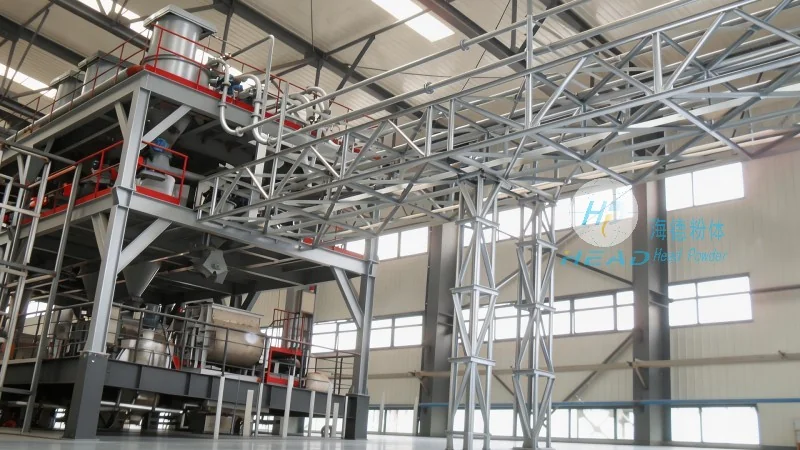
Negative pressure conveying, or vacuum conveying, works by creating a low-pressure environment in the conveying line, which draws the material from the source into the system. This method is commonly used for shorter distances or when the material needs to be transported from a lower elevation to a higher one. The system relies on a vacuum pump to create the negative pressure, and the material is drawn into the pipeline as the air and powder mixture moves toward the receiver. For titanium dioxide powder, negative pressure conveying is often preferred for its gentle handling of the material, minimizing particle degradation or agglomeration. This method is particularly useful when dealing with fine powders that are prone to caking or sticking. The equipment for negative pressure systems includes vacuum pumps, suction hoods, and material collection vessels. A key benefit of this approach is its lower energy consumption compared to positive pressure systems, as it does not require high-pressure air to force the material. However, it may be less efficient for long-distance transport or when dealing with large volumes of material, as the vacuum pump's capacity limits the flow rate.
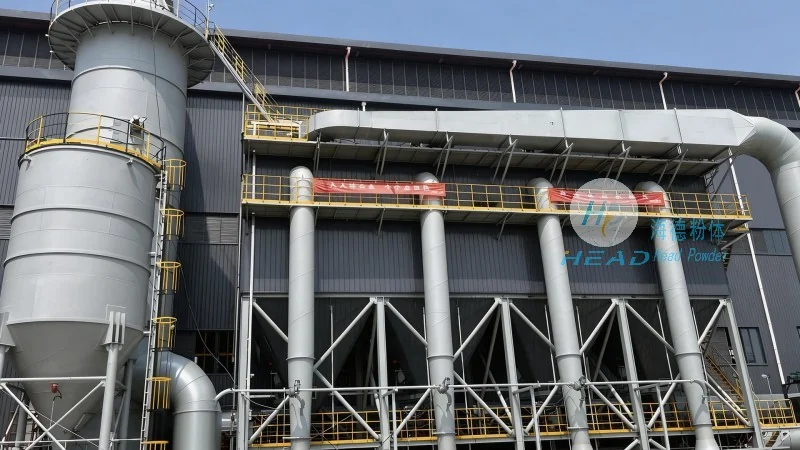
When comparing positive and negative pressure conveying for titanium dioxide powder, several factors come into play. The choice between the two methods depends on the specific application requirements, such as distance, material characteristics, and operational constraints. Positive pressure conveying excels in scenarios requiring high capacity, long-distance transport, and the handling of abrasive or sticky materials. It offers better control over flow rates and can maintain consistent pressure, reducing the risk of blockages. Conversely, negative pressure conveying is more suitable for shorter distances, gentle material handling, and lower energy consumption. It is ideal for applications where the material is sensitive to high pressure or where the source and destination are at different elevations. From an operational perspective, positive pressure systems may require more maintenance due to the higher pressure components, while negative pressure systems can be simpler but may need more frequent cleaning to prevent material buildup in the suction line. Cost is another critical factor. Positive pressure systems generally have higher initial investment due to the need for high-pressure blowers and robust piping, whereas negative pressure systems may have lower upfront costs but could incur higher operational costs over time due to the vacuum pump's energy consumption. Ultimately, the decision between positive and negative pressure conveying for titanium dioxide powder should be based on a thorough evaluation of the specific project needs, including material properties, distance, and budget constraints.
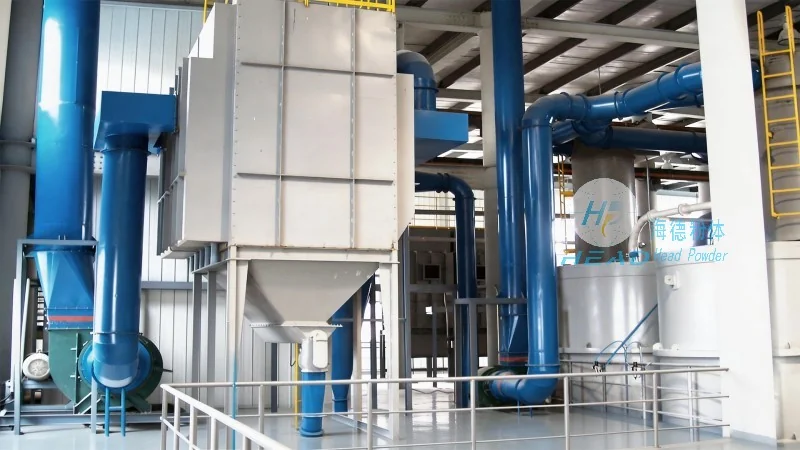
Shandong HeadPowder Engineering Co., Ltd. specializes in providing comprehensive pneumatic conveying solutions tailored to the unique needs of titanium dioxide powder processing. With a deep understanding of both positive and negative pressure conveying technologies, the company offers customized systems that optimize efficiency, reduce operational costs, and ensure product quality. HeadPowder Engineering's team of experts works closely with clients to assess their specific requirements, from material characteristics and transport distances to operational constraints and budget considerations. By leveraging advanced engineering and years of industry experience, the company designs and manufactures conveying systems that meet the highest standards of performance and reliability. Whether a client needs a positive pressure system for high-capacity transport or a negative pressure system for gentle handling, HeadPowder Engineering provides tailored solutions that enhance operational efficiency and ensure the safe and effective transport of titanium dioxide powder. The company's commitment to quality and customer satisfaction has made it a trusted partner in the industry, delivering reliable and efficient conveying solutions that meet the evolving needs of titanium dioxide processing facilities.

 Shandong Headpowder Engineering Co., Ltd.
 156-6277-7102(Manager Zhang)
  0531-83386006
  Zhangqiu District, Jinan City, Shandong Province, China
telephone
WeChatconsult
top