With more than 10‑year industry experience, Shandong Headpowder delivers full‑service pneumatic‑conveying systems and blowers, undertaking nationwide turn‑key powder‑handling projects.
Pneumatic conveying is a critical technology in the cement industry, especially for transporting raw materials from storage to the kiln. The choice between negative pressure (suction) and positive pressure (blowing) systems significantly impacts operational efficiency, cost, and material handling quality. This article provides a detailed comparison of the advantages and disadvantages of negative pressure and positive pressure pneumatic conveying systems for cement raw materials, helping industry professionals make informed decisions.
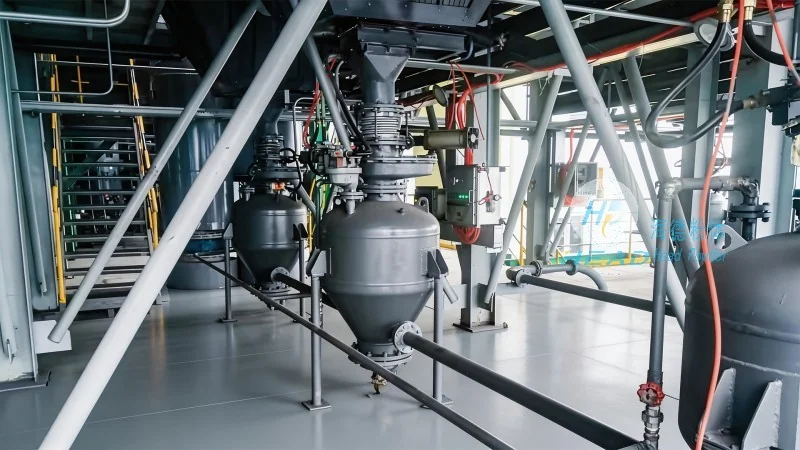
Negative pressure systems operate by creating a vacuum at the material pickup point, drawing material into the pipeline using air drawn from the system. This method is often preferred for applications where material is to be collected from multiple sources or where the material is sensitive to high air velocities. The key advantages of negative pressure conveying include:
However, negative pressure systems also have notable disadvantages. The main drawback is the risk of backflow or material leakage if the vacuum is insufficient or the system is not properly sealed. Additionally, the system is more susceptible to blockages due to the lower air velocity, which can lead to operational interruptions. Maintenance costs are also higher due to the need for more robust vacuum pumps and seals.
Positive pressure systems use compressed air to push material through the pipeline, creating a pressure higher than the ambient air. This method is commonly used for long-distance or high-volume material transport. The advantages of positive pressure conveying include:
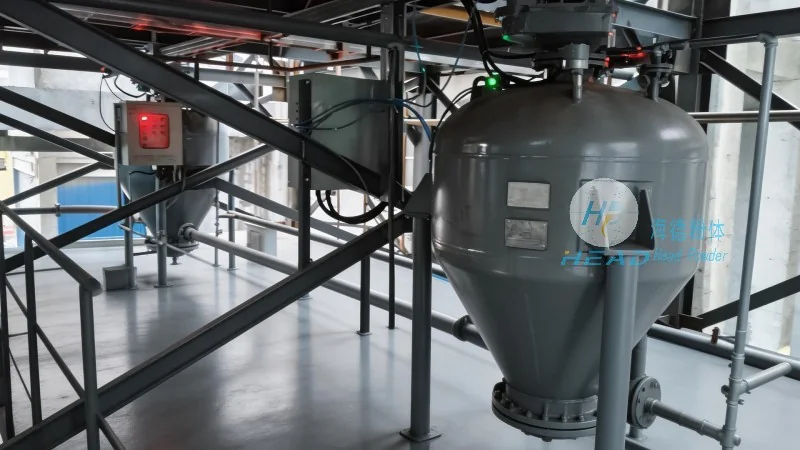
Nevertheless, positive pressure systems have significant drawbacks. The primary disadvantage is higher energy consumption due to the need for compressed air generation. This increases operational costs, especially for large-scale applications. Additionally, the system is more prone to material degradation from high air velocities, which can affect the quality of the raw materials. The risk of dust explosion is also higher in positive pressure systems due to the presence of high-pressure air and combustible dust.
When comparing negative and positive pressure pneumatic conveying for cement raw materials, several factors must be considered. The choice depends on the specific application requirements, such as material type, distance, and operational environment. For example, negative pressure is ideal for handling sensitive materials like limestone or clay, where low air velocities are crucial to prevent degradation. In contrast, positive pressure is more suitable for transporting bulk materials over long distances, such as in large-scale cement plants.
Cost is another critical factor. Negative pressure systems generally have lower initial costs due to simpler equipment, but higher maintenance costs over time. Positive pressure systems have higher initial costs due to the need for compressed air systems, but lower maintenance costs. Energy consumption is a significant consideration, as positive pressure systems consume more energy, leading to higher operational expenses.
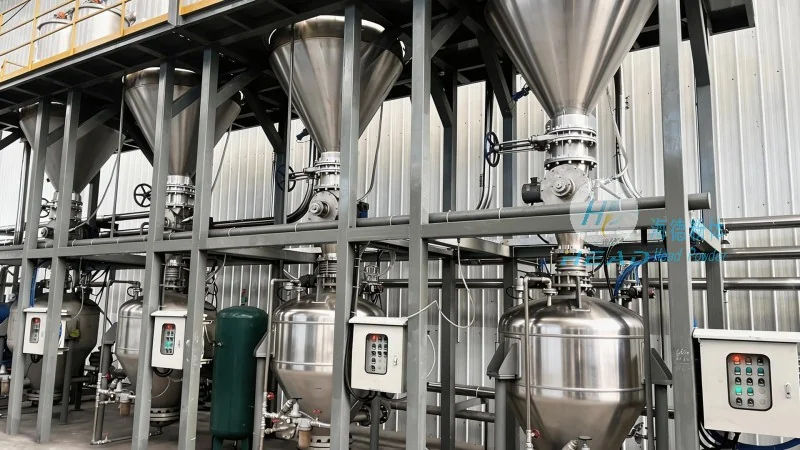
Operational flexibility is also an important aspect. Negative pressure systems can handle multiple pickup points without complex modifications, making them suitable for plants with varying material sources. Positive pressure systems are better for single-source, high-volume transport, as they are less flexible in accommodating multiple pickup points.
Shandong HeadPowder Engineering Co., Ltd., a leading provider of pneumatic conveying solutions in China, offers tailored systems based on the specific needs of cement plants. The company specializes in designing and manufacturing both negative and positive pressure systems, ensuring optimal performance and efficiency. For cement raw material handling, the choice between the two systems depends on the plant's operational requirements and budget constraints.
For example, a plant handling fragile raw materials like limestone may opt for a negative pressure system to minimize material degradation. Conversely, a plant transporting bulk materials over long distances may choose a positive pressure system for its higher capacity and reliability. HeadPowder engineers work closely with clients to assess their specific needs and recommend the most suitable system, ensuring long-term operational efficiency and cost-effectiveness.

 Shandong Headpowder Engineering Co., Ltd.
 156-6277-7102(Manager Zhang)
  0531-83386006
  Zhangqiu District, Jinan City, Shandong Province, China
telephone
WeChatconsult
top