With more than 10‑year industry experience, Shandong Headpowder delivers full‑service pneumatic‑conveying systems and blowers, undertaking nationwide turn‑key powder‑handling projects.
Efficient and reliable transportation of fly ash is a critical aspect of modern industrial operations, particularly in power plants and waste management facilities. Among the various methods available, pneumatic conveying systems stand out as a versatile and effective solution. This article provides a comprehensive comparison of two primary pneumatic conveying approaches—positive pressure conveying and negative pressure conveying—specifically tailored for the handling of fly ash. By examining the technical principles, operational characteristics, and practical applications of each method, we aim to help industry professionals make informed decisions when selecting the most suitable conveying system for their specific needs. Shandong HeadPowder Engineering Co., Ltd., a leading provider of industrial engineering solutions, specializes in the design and implementation of advanced pneumatic conveying systems for bulk material handling.
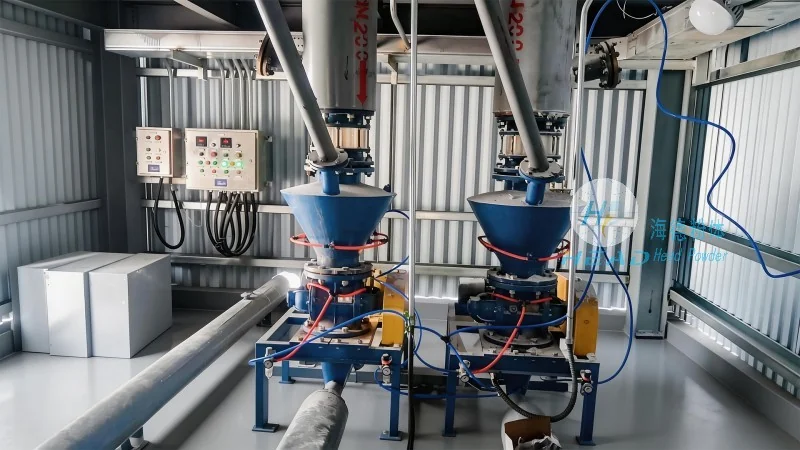
Pneumatic conveying, also known as air-pneumatic transport, involves the movement of bulk materials like fly ash through a pipeline using air pressure. This method eliminates the need for mechanical components such as belts or buckets, reducing maintenance costs and enhancing safety. The two main categories of pneumatic conveying are positive pressure and negative pressure systems, each with distinct advantages and limitations. Understanding these differences is essential for optimizing material handling processes and ensuring compliance with environmental regulations.
Positive pressure conveying operates by blowing air or a mixture of air and other gases into the conveying line, creating a pressure higher than the ambient air pressure. This method is commonly used for short to medium-distance transport of fly ash, typically up to several hundred meters. The primary advantage of positive pressure systems is their ability to handle abrasive and high-density materials without causing excessive wear on the system components. The high pressure also ensures that the material is fully enclosed within the pipeline, minimizing dust emissions and improving safety. However, positive pressure systems require robust equipment, including high-pressure blowers and durable pipelines, which can increase initial investment costs. Additionally, they may generate higher noise levels and require more energy compared to negative pressure systems.
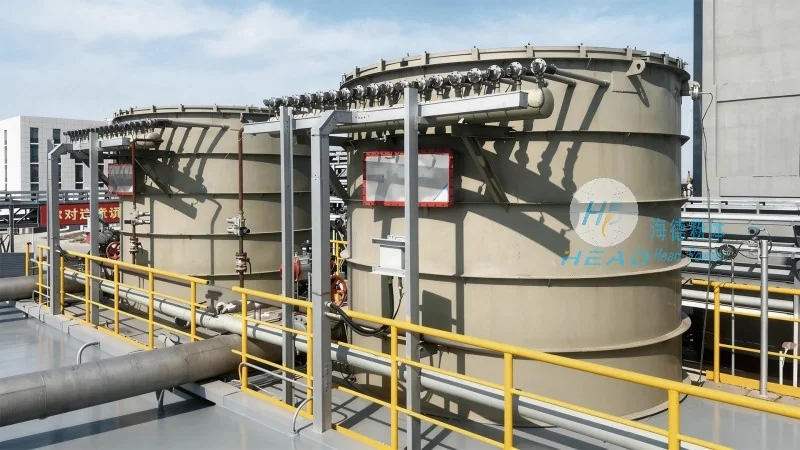
Negative pressure conveying, also known as vacuum conveying, works by creating a vacuum in the conveying line, which draws the fly ash material into the system. This method is ideal for longer distances, often exceeding several hundred meters, and is commonly used in applications where the material needs to be transported from multiple sources or over complex routes. The key benefit of negative pressure systems is their lower energy consumption and reduced noise levels compared to positive pressure systems. They also allow for the collection of material from multiple points and can handle more delicate or sensitive materials without causing damage. However, negative pressure systems are more susceptible to clogging and require more frequent maintenance, especially when handling fine or sticky fly ash particles. The vacuum also increases the risk of dust leakage if the system is not properly sealed.
When comparing positive and negative pressure conveying systems for fly ash, several factors must be considered. The distance of the transport is a critical determinant: positive pressure is generally more suitable for shorter distances due to its higher pressure requirements, while negative pressure is better for longer distances. The material characteristics, such as particle size, moisture content, and abrasiveness, also influence the choice of system. For example, positive pressure systems excel with high-density, abrasive materials, whereas negative pressure systems are preferred for fine, low-density materials. Energy consumption is another significant factor, with negative pressure systems typically consuming less energy for long-distance transport. Maintenance requirements differ as well, with positive pressure systems requiring less frequent maintenance due to their simpler design, while negative pressure systems may need more regular cleaning and inspection to prevent clogging.
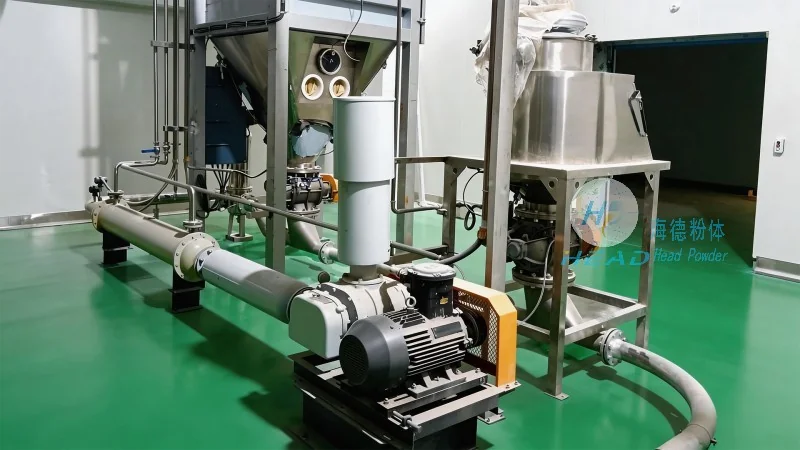
Implementing either positive or negative pressure conveying systems for fly ash requires careful consideration of operational parameters. For positive pressure systems, proper pipeline design is essential to minimize pressure drops and ensure consistent material flow. Regular inspection of the blower and pipeline for wear and tear is necessary to prevent system failures. Additionally, the system should be equipped with dust collection and filtration equipment to comply with environmental regulations and maintain air quality. For negative pressure systems, maintaining the vacuum level is crucial to ensure efficient material transport. The system should be designed with adequate filtration and sealing to prevent dust leakage and protect the environment. Regular cleaning of the vacuum pump and filter is required to maintain performance and prevent clogging. Both systems benefit from the use of flexible connectors and surge tanks to accommodate material variations and prevent pressure surges.
Several industrial applications demonstrate the effectiveness of both positive and negative pressure conveying systems for fly ash. For instance, a power plant in Shandong, China, uses a positive pressure system to transport fly ash from the boiler to a storage silo over a distance of 200 meters. The system has shown high efficiency in handling the abrasive fly ash, with minimal maintenance and low dust emissions. Another facility, located in a rural area, employs a negative pressure system to transport fly ash from multiple collection points to a central processing plant over a distance of 800 meters. The system has successfully handled fine, low-density fly ash, with reduced energy consumption and lower noise levels compared to a positive pressure alternative. These case studies highlight the importance of selecting the appropriate system based on specific operational requirements and environmental considerations.

 Shandong Headpowder Engineering Co., Ltd.
 156-6277-7102(Manager Zhang)
  0531-83386006
  Zhangqiu District, Jinan City, Shandong Province, China
telephone
WeChatconsult
top