With more than 10‑year industry experience, Shandong Headpowder delivers full‑service pneumatic‑conveying systems and blowers, undertaking nationwide turn‑key powder‑handling projects.
HeadPowder, a leading manufacturer based in Shandong, China, specializes in the design and production of pneumatic conveying equipment tailored for transporting sand particle materials. This article provides a detailed overview of the operational process and working principles of such equipment, highlighting its efficiency and reliability in material handling applications.
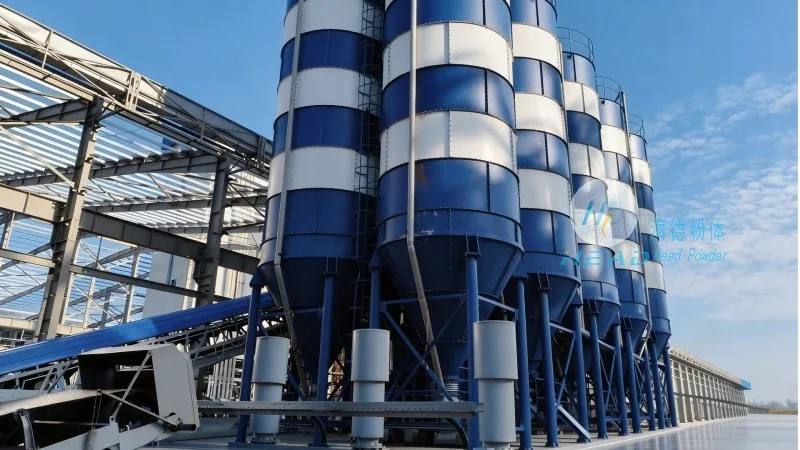
Pneumatic conveying systems are widely used in industries that require the transport of dry, granular materials like sand. These systems utilize air or gas as the conveying medium to move materials from one location to another without the need for mechanical components like belts or buckets. The equipment is designed to handle various particle sizes and flow rates, making it suitable for both small-scale and large-scale operations. HeadPowder's expertise lies in customizing these systems to meet specific client requirements, ensuring optimal performance and minimal downtime.
The pneumatic conveying equipment for sand particles typically consists of several key components that work in tandem to facilitate material transport. These include the hopper or feeder, which holds the sand and controls the flow rate; the air compressor or blower, which generates the necessary air pressure; the pipeline system, which transports the material and air; and the receiver or discharge hopper, where the sand is deposited. Each component plays a crucial role in maintaining the system's efficiency and preventing material blockages or air leaks.
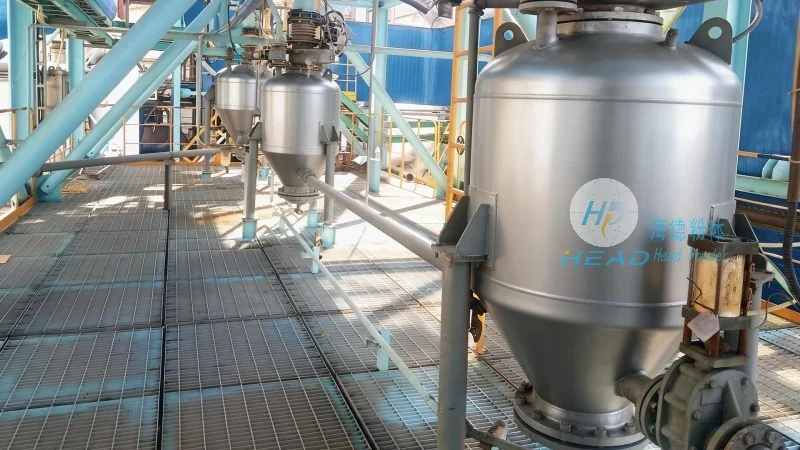
The operation of the pneumatic conveying system for sand particles follows a systematic process that ensures smooth and continuous material transport. The process begins with the sand being fed into the hopper from a storage silo or bin. The feeder then regulates the flow of sand into the pipeline, ensuring a consistent feed rate. Simultaneously, the air compressor or blower starts operating, generating a high-pressure air stream. This air stream is then introduced into the pipeline, creating a pressure differential that draws the sand particles into the air flow. As the sand particles are entrained by the air, they are carried through the pipeline to the receiving hopper. The air, now mixed with the sand, is then filtered and the sand is separated from the air in the receiver, while the clean air is recirculated back to the system.
The working principle of the pneumatic conveying system relies on the principles of fluid dynamics and particle entrainment. The system operates by creating a low-pressure zone in the pipeline, which is achieved by the air compressor drawing air from the environment and pressurizing it. As the air flows through the pipeline, it creates a suction effect that pulls the sand particles into the air stream. The sand particles are then carried along with the air due to the drag force exerted by the air flow. The velocity of the air is critical in this process; it must be sufficient to overcome the gravitational force acting on the sand particles and to maintain the particles in suspension. HeadPowder's systems are engineered to maintain the optimal air velocity and pressure to ensure efficient transport of sand particles without causing excessive wear on the equipment or material degradation.
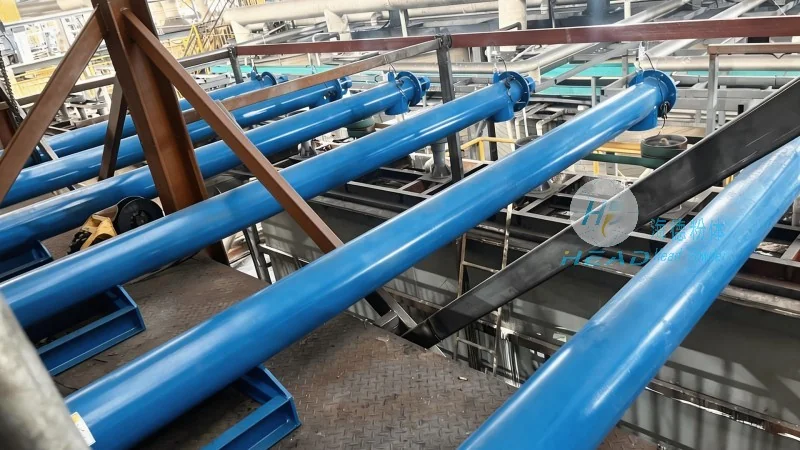
Employing pneumatic conveying equipment for sand particles offers several advantages over traditional mechanical conveying methods. One of the primary benefits is the ability to transport materials in a closed system, which helps in maintaining the quality of the sand by preventing contamination from dust or moisture. Additionally, the system is compact and can be installed in various layouts, making it suitable for both new and existing facilities. The lack of moving parts in the pipeline reduces maintenance requirements and the risk of mechanical failure. Furthermore, pneumatic conveying systems can handle a wide range of particle sizes and flow rates, providing flexibility in material handling operations. HeadPowder's equipment is designed to maximize these advantages, ensuring high efficiency and reliability in sand transport applications.
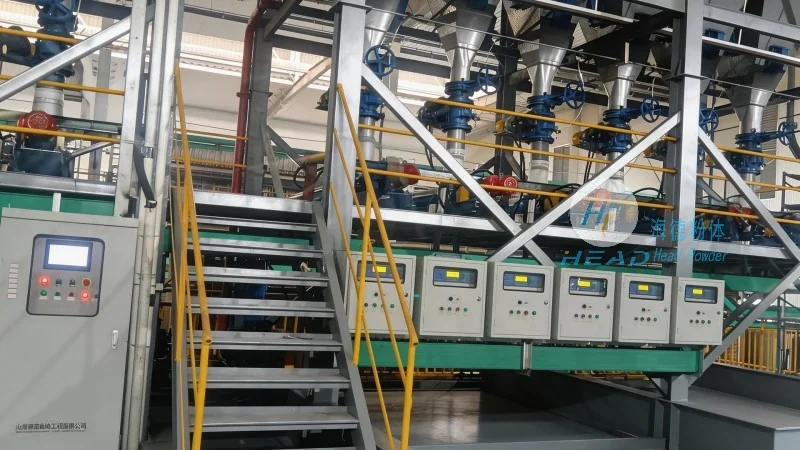
HeadPowder understands that different industries have unique requirements when it comes to sand particle transport. Therefore, the company offers customized pneumatic conveying solutions tailored to specific applications. For example, in the construction industry, the equipment may be used to transport sand from storage areas to mixing plants, while in the glass manufacturing industry, it may be used to convey sand to furnaces. The systems can be designed with different pipeline configurations, such as straight-line or looped systems, to suit the layout of the facility. The company also provides options for different air compressor types, such as rotary lobe or centrifugal blowers, depending on the required pressure and flow rate. By customizing the equipment, HeadPowder ensures that clients receive a solution that meets their specific needs, enhancing productivity and reducing operational costs.
To ensure the long-term performance and reliability of pneumatic conveying equipment for sand particles, proper maintenance is essential. Regular inspection of the components, such as the hopper, feeder, and pipeline, is necessary to check for any signs of wear or damage. The air compressor or blower should be checked for proper operation and lubrication to prevent overheating or breakdowns. The filters and separators should be cleaned regularly to maintain their efficiency in removing sand particles from the air stream. Additionally, the system should be operated within the recommended pressure and flow rate ranges to avoid excessive wear on the components. HeadPowder provides maintenance services and technical support to help clients keep their equipment in optimal condition, ensuring minimal downtime and maximum productivity.

 Shandong Headpowder Engineering Co., Ltd.
 156-6277-7102(Manager Zhang)
  0531-83386006
  Zhangqiu District, Jinan City, Shandong Province, China
telephone
WeChatconsult
top