With more than 10‑year industry experience, Shandong Headpowder delivers full‑service pneumatic‑conveying systems and blowers, undertaking nationwide turn‑key powder‑handling projects.
Hay material conveying lines are essential systems in agricultural and livestock operations, designed to efficiently transport hay and other forage materials from storage areas to feeding points. Understanding the operation process and working principle of these lines is crucial for optimizing farm productivity and ensuring consistent feeding for livestock. This article provides a detailed overview of how these systems function, highlighting key components, operational steps, and the underlying principles that enable smooth and reliable material handling. The information is presented by Shandong HeadPowder Engineering Co., Ltd., a leading manufacturer of agricultural machinery based in China, with a focus on providing high-quality and reliable conveying solutions for farms worldwide.
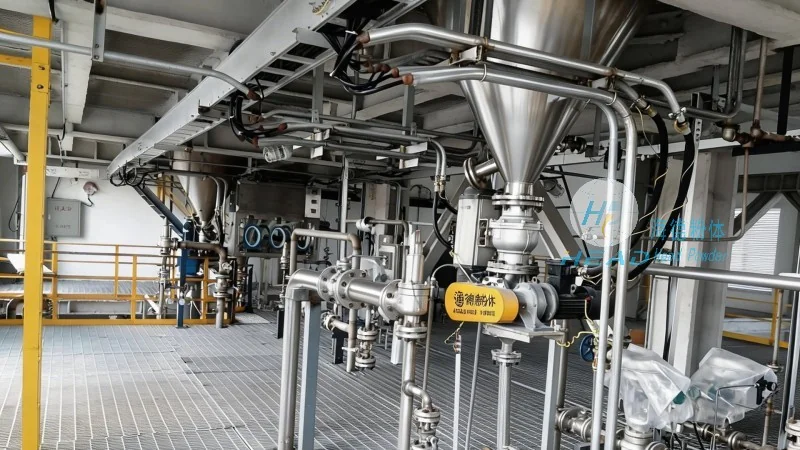
The hay material conveying line typically consists of several critical components that work in tandem to move materials. The primary components include a feed hopper or storage silo, a conveyor system (such as a belt conveyor or screw conveyor), a control panel for operation, and a discharge mechanism at the end of the line. The feed hopper is responsible for storing the hay, while the conveyor system transports it through the line. The control panel allows operators to adjust the speed and direction of the conveyor, ensuring precise material flow. The discharge mechanism, often a chute or a spout, delivers the hay to the intended feeding area.
The operation process of a hay material conveying line involves several sequential steps. First, the hay is loaded into the feed hopper from a storage silo or a bale stack. The hopper then feeds the material into the conveyor system. The conveyor transports the hay along its path, which may include inclines or declines to adjust the elevation of the material. The control panel monitors the system's performance, adjusting the conveyor speed as needed to maintain a steady flow. At the discharge end, the hay is released into a feeding trough or a storage bin. This process is typically automated, with sensors and controls ensuring that the system operates continuously without manual intervention, except for occasional maintenance and adjustments.
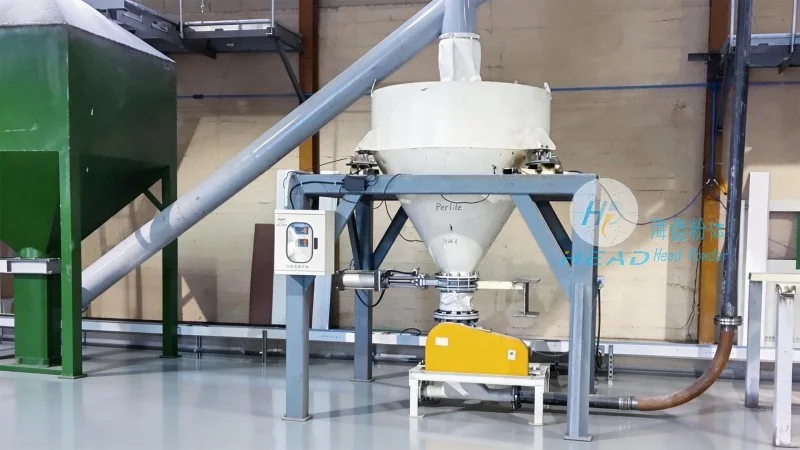
The working principle of hay material conveying lines is based on mechanical energy transfer and material handling technology. The core mechanism involves the use of conveyor belts or screws to move the hay from the source to the destination. The conveyor system applies a constant force to the material, overcoming gravity and friction to ensure smooth movement. The control system uses sensors to detect the level of material in the hopper and the speed of the conveyor, adjusting parameters in real-time to prevent overloading or underflow. This closed-loop control system ensures that the conveying line operates efficiently and safely, minimizing downtime and maximizing throughput. The design of the line, including the angle of the conveyor and the type of material handling equipment, is tailored to the specific characteristics of the hay, such as its moisture content and density, to optimize performance.
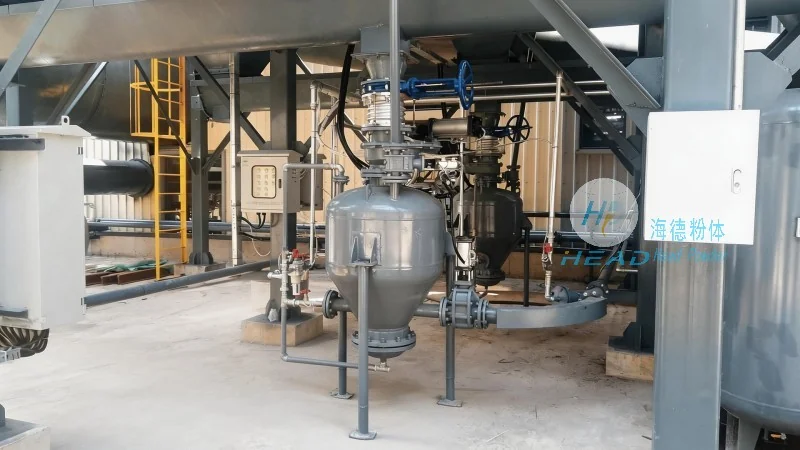
Implementing a hay material conveying line offers numerous benefits for agricultural operations. Firstly, it significantly improves labor efficiency by automating the process of moving hay, reducing the need for manual handling and transportation. This not only saves time but also minimizes the risk of injury to workers. Secondly, the system ensures consistent and uniform feeding of livestock, as the material is delivered in a controlled manner without segregation or clumping. This leads to better animal health and improved feed conversion rates. Thirdly, the automated system reduces material waste by minimizing spillage and loss during transportation. Additionally, the consistent flow of hay helps maintain the quality of the feed, as the material is not exposed to prolonged periods of exposure to the elements. Overall, hay material conveying lines enhance operational efficiency, improve animal welfare, and contribute to the overall profitability of the farm.

Regular maintenance is essential to ensure the reliable operation of hay material conveying lines. Routine checks should include inspecting the conveyor belts for wear and tear, lubricating moving parts, and cleaning the hopper and discharge area to prevent material buildup. The control system should be checked for proper functionality, including sensor calibration and software updates. Common issues that may arise include belt slippage, blockages in the conveyor, or electrical malfunctions. Troubleshooting these issues typically involves checking the power supply, inspecting the material flow, and adjusting the conveyor speed or tension. In case of more severe problems, such as motor failure or structural damage, professional maintenance or repair services should be sought. Proper maintenance not only extends the lifespan of the equipment but also ensures that the conveying line operates at optimal performance levels, minimizing downtime and maximizing productivity.
Hay material conveying lines are versatile and can be applied in various agricultural settings, from small-scale family farms to large commercial operations. In small farms, the system may be used to transport hay from a silo to a feeding area for a few livestock, such as cows or horses. The conveyor system can be designed to handle smaller volumes of material, with a simpler control panel and fewer components. In large commercial farms, the conveying line may be part of a larger feed management system, integrating with other equipment such as feed mixers and storage silos. The system may also be used to transport hay from multiple storage areas to different feeding points, requiring a more complex network of conveyors and control systems. Regardless of the scale, the operation process and working principle remain consistent, with adjustments made based on the specific needs of the farm and the type of livestock being fed.

 Shandong Headpowder Engineering Co., Ltd.
 156-6277-7102(Manager Zhang)
  0531-83386006
  Zhangqiu District, Jinan City, Shandong Province, China
telephone
WeChatconsult
top