With more than 10‑year industry experience, Shandong Headpowder delivers full‑service pneumatic‑conveying systems and blowers, undertaking nationwide turn‑key powder‑handling projects.
Caustic soda, also known as sodium hydroxide, is a widely used chemical in various industrial processes. The efficient and safe transportation of caustic soda from storage to processing units is crucial for maintaining operational efficiency and safety standards. A caustic soda pneumatic conveying line is a specialized system designed to handle this task, utilizing air or gas as the conveying medium to transport the caustic soda in a dry, dust-free manner. This article explores the concept of caustic soda pneumatic conveying lines, detailing their design principles and the key components that make them effective for industrial applications.
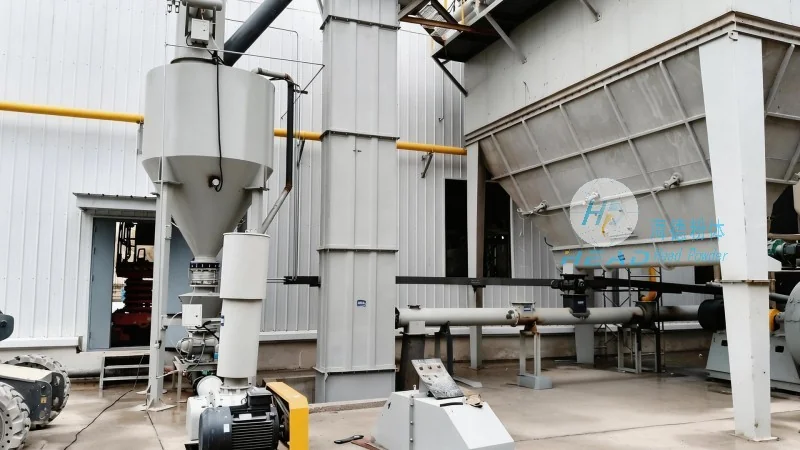
Shandong HeadPowder Engineering Co., Ltd., a leading manufacturer based in China, specializes in the design and fabrication of advanced material handling systems, including caustic soda pneumatic conveying lines. With a strong commitment to quality and safety, HeadPowder provides customized solutions tailored to the specific needs of clients in the chemical and processing industries. The company’s expertise lies in integrating cutting-edge technology with robust engineering to deliver reliable and efficient conveying systems that meet stringent industry standards.
The caustic soda pneumatic conveying line operates by creating a pressure differential within a closed system. Air or an inert gas is introduced into the system, generating a flow that propels the caustic soda particles through the conveying pipes. This method eliminates the need for mechanical components like belts or buckets, reducing maintenance requirements and minimizing the risk of material contamination. The system is particularly advantageous for handling caustic soda, which is highly corrosive and requires careful handling to prevent accidents and ensure product integrity.
The design of a caustic soda pneumatic conveying line involves several critical components that work in tandem to ensure smooth and safe operation. These components include:
1. Feeder Unit: The feeder is responsible for accurately metering and feeding the caustic soda into the conveying system. It ensures a consistent flow rate, which is essential for maintaining system efficiency and preventing blockages. The feeder is typically designed with corrosion-resistant materials to withstand the harsh environment of caustic soda.
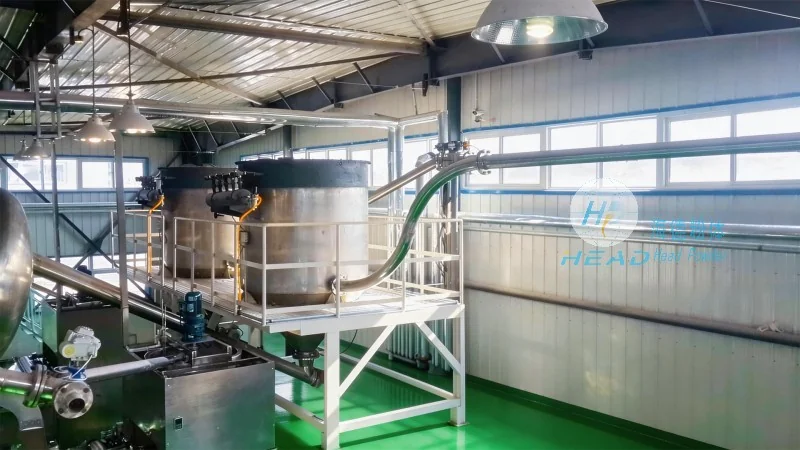
2. Conveying Ducts: The ducts form the main pathway for transporting the caustic soda. They are constructed from materials such as stainless steel or high-density polyethylene to resist corrosion and ensure durability. The ducts are designed with smooth internal surfaces to minimize friction and reduce the risk of material buildup.
3. Blower or Air Compressor: The blower or air compressor generates the necessary air pressure to move the caustic soda through the system. It is selected based on the required flow rate and the distance the material needs to be conveyed. The choice of equipment depends on factors such as the system's capacity, the type of caustic soda being handled, and the desired conveying speed.
4. Separation and Collection Systems: At the receiving end of the conveying line, separation and collection systems are used to separate the caustic soda from the air stream. These systems typically include cyclone separators or bag filters, which capture the caustic soda particles and return them to the process. The separated air is then discharged safely, ensuring that no caustic soda is lost to the environment.
The design of a caustic soda pneumatic conveying line follows several key principles to ensure safety, efficiency, and reliability. These principles include:
1. Corrosion Resistance: Given the highly corrosive nature of caustic soda, all components of the system must be made from materials that can withstand chemical attack. Stainless steel, high-grade alloys, and specialized plastics are commonly used to protect the system from degradation and ensure long-term performance.
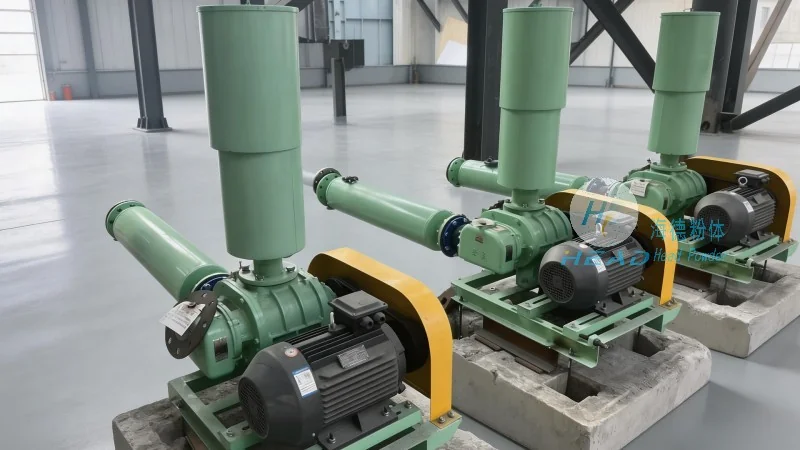
2. Air Flow Management: Proper air flow management is critical to prevent blockages and ensure consistent conveying. The system is designed to maintain a sufficient air velocity to keep the caustic soda particles suspended and moving through the ducts. This helps to prevent material settling and reduces the risk of system downtime.
3. Pressure Control: The system is equipped with pressure sensors and control valves to regulate the air pressure within the conveying line. This ensures that the pressure remains within safe limits, preventing over-pressurization and potential equipment failure. The pressure control system also helps to maintain a consistent flow rate, optimizing the overall performance of the line.
4. Safety Features: Safety is a top priority in the design of caustic soda pneumatic conveying lines. The system includes features such as explosion-proof blowers, emergency shut-off valves, and pressure relief devices to prevent accidents and protect personnel. Additionally, the system is designed to minimize the risk of dust exposure and chemical leaks, ensuring a safe working environment.
Caustic soda pneumatic conveying lines are widely used in various industrial applications, including chemical manufacturing, pulp and paper production, and water treatment. The benefits of using such a system include:
1. Improved Safety: By eliminating the need for manual handling of caustic soda, the system reduces the risk of accidents and exposure to the chemical. This leads to a safer working environment and lower risk of injuries or health issues for employees.
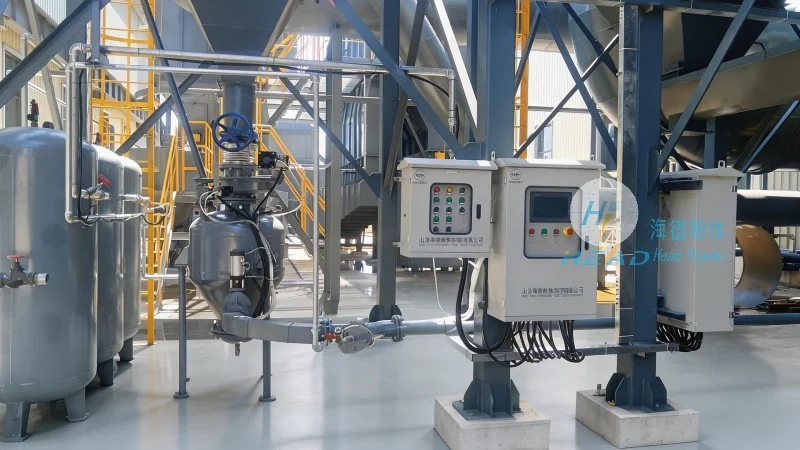
2. Increased Efficiency: The pneumatic conveying system allows for continuous and automated operation, reducing labor costs and increasing production throughput. The consistent flow rate and minimal downtime contribute to higher overall efficiency.
3. Reduced Maintenance: Compared to traditional mechanical conveying systems, pneumatic conveying lines have fewer moving parts, resulting in lower maintenance requirements and reduced downtime for repairs.
4. Environmental Protection: The system is designed to minimize the release of caustic soda into the environment, ensuring compliance with environmental regulations. The separation and collection systems effectively capture the material, preventing contamination of the air and water.
A caustic soda pneumatic conveying line is a sophisticated and efficient system designed to handle the transportation of caustic soda in a safe and reliable manner. The design principles, including corrosion resistance, proper air flow management, and safety features, ensure that the system operates effectively while meeting industry standards. Shandong HeadPowder Engineering Co., Ltd. provides high-quality caustic soda pneumatic conveying lines that are tailored to the specific needs of clients, offering customized solutions that enhance operational efficiency and safety. By investing in such a system, industrial facilities can improve their material handling processes, reduce costs, and ensure compliance with environmental regulations.

 Shandong Headpowder Engineering Co., Ltd.
 156-6277-7102(Manager Zhang)
  0531-83386006
  Zhangqiu District, Jinan City, Shandong Province, China
telephone
WeChatconsult
top