With more than 10‑year industry experience, Shandong Headpowder delivers full‑service pneumatic‑conveying systems and blowers, undertaking nationwide turn‑key powder‑handling projects.
Ceramic particle pneumatic conveying systems are specialized industrial equipment designed to transport dry, free-flowing ceramic materials through a pipeline using air or other gas as the conveying medium. These systems are widely used in various industries, including ceramics manufacturing, pharmaceuticals, food processing, and chemical processing, where the handling of fine or abrasive ceramic powders requires precise and efficient transport solutions. The core function of such systems is to move ceramic particles from a source point to a destination point without the need for mechanical components like belts or buckets, which can be prone to wear and contamination in abrasive environments.
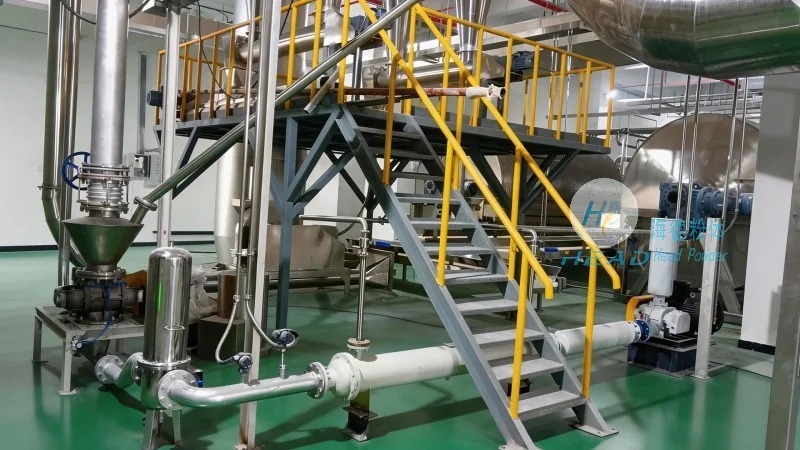
The design of a ceramic particle pneumatic conveying system typically involves several critical components that work in concert to ensure reliable and efficient material transport. These components include:
The design of a ceramic particle pneumatic conveying system follows several key principles to ensure optimal performance, minimize material degradation, and maximize system efficiency. These principles are tailored to the unique properties of ceramic materials, which are often fine, abrasive, and sensitive to moisture or contamination.
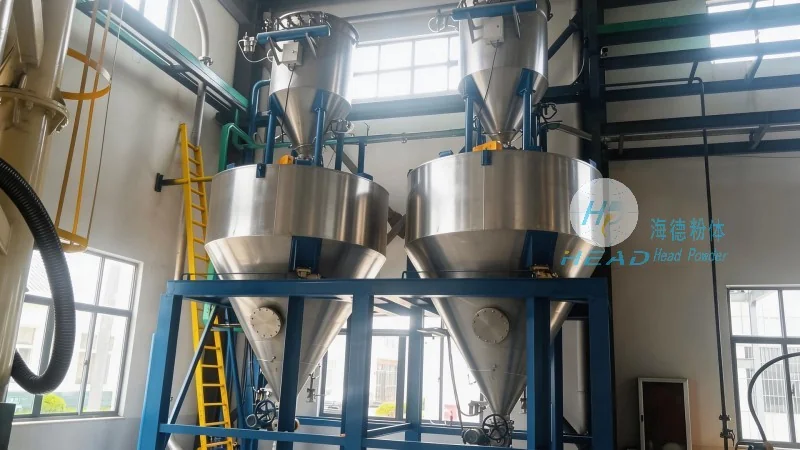
1. Material Compatibility: The system components must be compatible with the ceramic material being conveyed. This includes selecting materials for the hopper, feeder, and pipeline that can withstand the abrasive nature of the particles, such as high-chrome steel or ceramic-lined components. The design also considers the material's particle size distribution, density, and flow characteristics to ensure proper feeding and transport.
2. Pressure and Flow Management: The system is designed to maintain a consistent pressure and flow rate throughout the conveying line. This is achieved by selecting appropriate blower or compressor capacity, controlling the feeder speed, and using appropriate pipe diameters and lengths. Proper pressure management is crucial to prevent material degradation, such as attrition or agglomeration, and to ensure the material reaches the destination without excessive pressure loss.
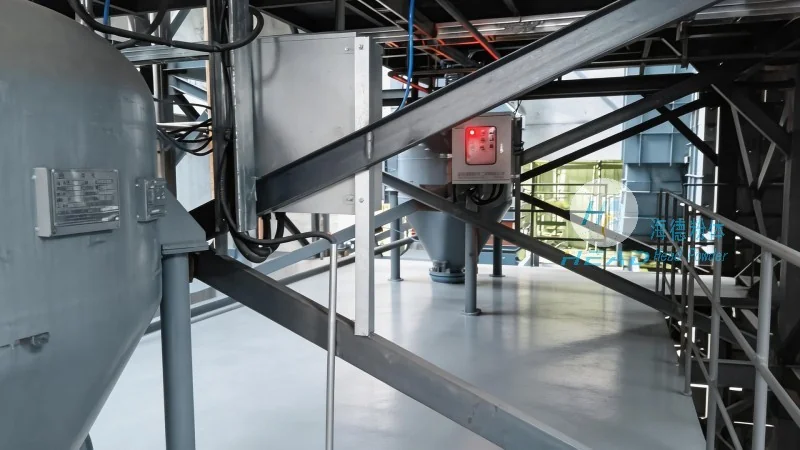
3. Abrasion Resistance: Given that ceramic particles are often abrasive, the system components, especially the pipeline and hopper, are designed with materials that can resist wear and tear. This may involve using thick-walled stainless steel, ceramic liners, or special coatings to extend the system's service life and reduce maintenance costs.
4. Minimizing Material Degradation: The design aims to minimize the mechanical stress on ceramic particles during transport. This includes using smooth, non-abrasive pipe surfaces, avoiding sharp bends or fittings that could cause particle breakage, and controlling the air velocity to prevent excessive particle impact. Proper design of the feeder and blower also helps maintain the material's integrity by ensuring a gentle and consistent flow.
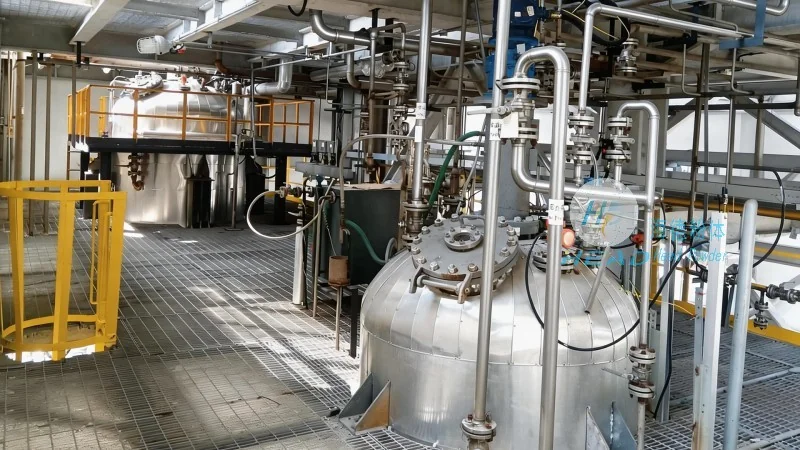
5. System Integration and Control: Modern ceramic particle pneumatic conveying systems are often integrated with control systems that monitor and adjust parameters such as pressure, flow rate, and material level in real-time. This helps maintain optimal operation, detect potential issues early, and ensure consistent performance. The control system may include sensors for pressure, flow, and level, as well as programmable logic controllers (PLCs) to automate the feeding and conveying process.
Ceramic particle pneumatic conveying systems are used in a wide range of applications where the handling of fine or abrasive ceramic materials is required. Some common applications include:

 Shandong Headpowder Engineering Co., Ltd.
 156-6277-7102(Manager Zhang)
  0531-83386006
  Zhangqiu District, Jinan City, Shandong Province, China
telephone
WeChatconsult
top