With more than 10‑year industry experience, Shandong Headpowder delivers full‑service pneumatic‑conveying systems and blowers, undertaking nationwide turn‑key powder‑handling projects.
Desulfurization and dust removal processes in industrial facilities often generate large volumes of ash and sludge. Efficient and reliable handling of these byproducts is crucial for maintaining operational efficiency and environmental compliance. A key component in this process is the pneumatic conveying system designed specifically for transporting desulfurization and dust removal ash. This article explores what such a system entails and the fundamental design principles that govern its operation.
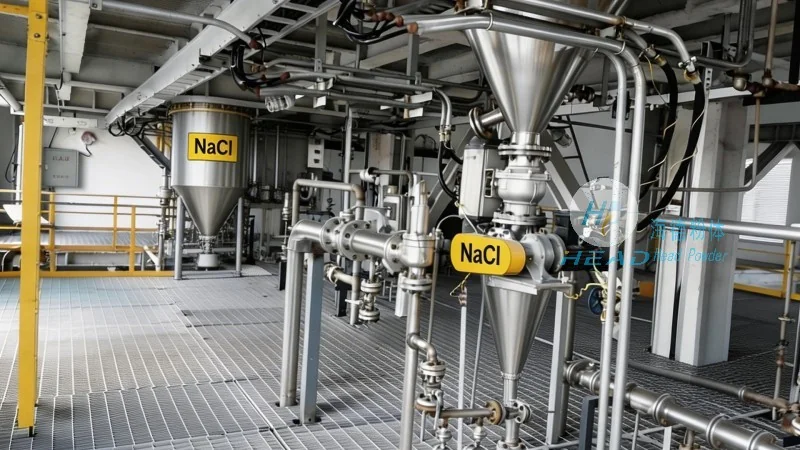
The desulfurization and dust removal ash pneumatic conveying system is a specialized equipment setup used to transport ash and other particulate materials generated from flue gas treatment processes. These systems are commonly employed in power plants, thermal power stations, and other industrial facilities where flue gas desulfurization (FGD) and dust removal are integral to reducing air pollution. The primary function of this system is to move ash from the collection points—such as hoppers, silos, or storage areas—to disposal or reclamation facilities with minimal human intervention and environmental impact.
At the core of the system is the pneumatic conveying technology, which utilizes air or gas as the medium to transport solid particles. This method offers several advantages over traditional mechanical conveying, including reduced risk of material contamination, lower maintenance requirements, and the ability to handle abrasive or corrosive materials without significant wear. The system typically consists of several key components: a feeding device to introduce the ash into the conveying line, a conveying pipeline that transports the material, a pressure or vacuum source to move the material along the line, and a discharge device to release the ash at the destination.
The design of a desulfurization and dust removal ash pneumatic conveying system is governed by several critical principles aimed at ensuring optimal performance, reliability, and safety. These principles are tailored to the specific characteristics of the ash, such as particle size, moisture content, and density, as well as the operational requirements of the facility. Such systems are typically engineered by companies like Shandong HeadPowder Engineering Co., Ltd., which specialize in providing customized solutions for ash handling in industrial settings.
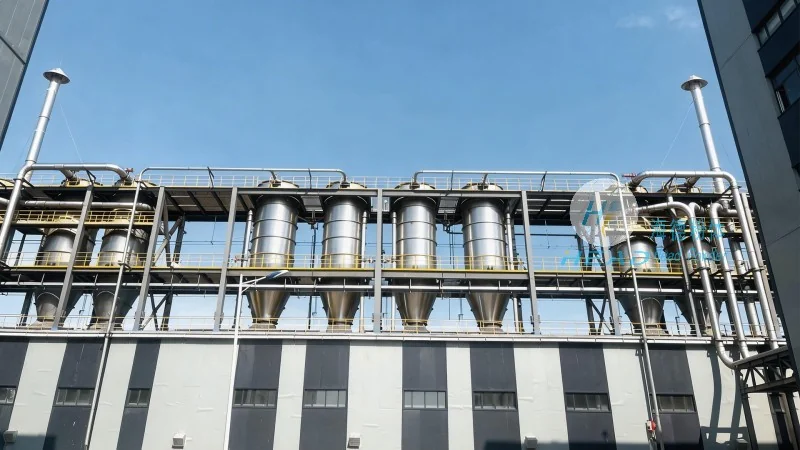
First, the system must be designed to handle the specific physical properties of the ash. Particle size distribution, for instance, influences the selection of the conveying velocity and pipeline diameter. Larger particles may require higher air velocities to prevent blockages, while smaller particles can be conveyed at lower velocities. Moisture content is another critical factor; excessive moisture can lead to caking or blockages, necessitating the use of drying or conditioning equipment before or during the conveying process. The system design must account for these properties to ensure smooth and continuous operation.
Second, the system must be engineered for efficient energy use and operational cost-effectiveness. The choice of conveying method—whether pressure or vacuum—depends on the distance and elevation changes between the source and destination. Pressure systems are generally used for short to medium distances and when the destination is at a higher elevation, while vacuum systems are more suitable for longer distances or when the destination is at a lower level. The design must optimize the air flow rate and pressure to minimize energy consumption without compromising conveying efficiency.
Third, safety and environmental considerations are paramount in the design. The system must be constructed from materials that are resistant to corrosion and abrasion, given the nature of the ash. Proper sealing and filtration are essential to prevent dust emissions and protect the environment. Additionally, the system should include safety features such as pressure relief valves, emergency shutdown mechanisms, and monitoring systems to detect blockages or other anomalies in real-time.
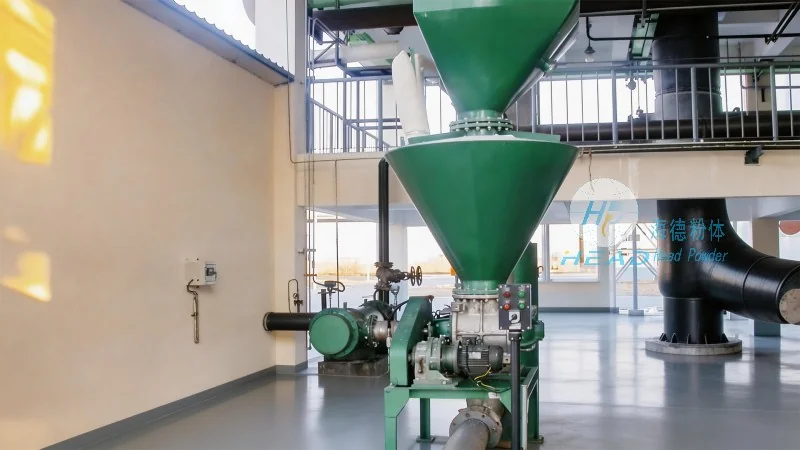
Each component of the desulfurization and dust removal ash pneumatic conveying system plays a vital role in the overall operation. Understanding these components helps in appreciating the complexity and efficiency of the system.
The feeding device is responsible for introducing the ash into the conveying line. Common types include rotary valves, star feeders, or screw feeders, which can handle different ash characteristics and feeding rates. The conveying pipeline is typically made of stainless steel or other corrosion-resistant materials to withstand the abrasive nature of the ash. The pipeline design, including bends and fittings, is optimized to minimize pressure drop and prevent particle accumulation.
The pressure or vacuum source, such as a blower or a vacuum pump, provides the necessary force to move the ash through the pipeline. The selection of the source depends on the system's capacity and the required pressure or vacuum level. The discharge device, which can be a rotary valve, a gate valve, or a silo discharge system, controls the release of the ash at the destination. Properly designed discharge devices prevent material buildup and ensure a smooth flow.
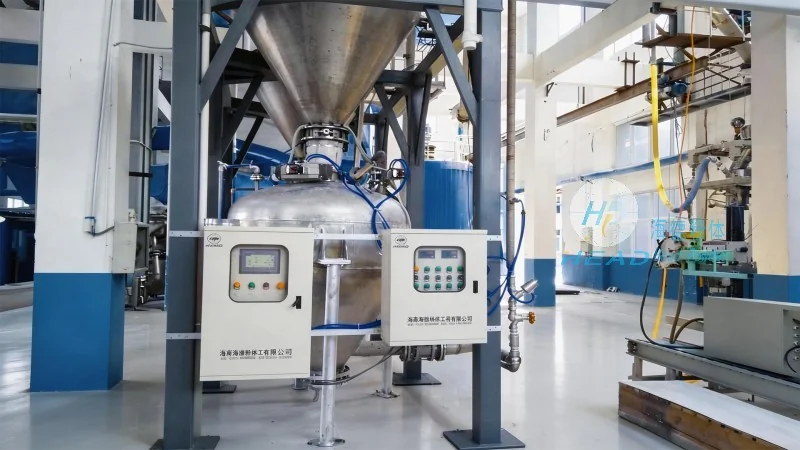
The desulfurization and dust removal ash pneumatic conveying system finds applications in various industrial settings where ash handling is a critical operation. In power plants, for example, the system is used to transport ash from the FGD system to a storage facility or a reclamation plant. The benefits of using such a system include improved operational efficiency, reduced labor costs, and enhanced environmental protection by minimizing dust emissions and ensuring proper disposal of the byproducts.
Furthermore, the system contributes to the overall sustainability of the facility by enabling the reuse of ash in construction materials or as a soil amendment. This not only reduces waste but also provides economic benefits by reducing the need for landfill disposal. The reliability and efficiency of the pneumatic conveying system are essential for maintaining the environmental and operational standards of the facility.
In conclusion, the desulfurization and dust removal ash pneumatic conveying system is a sophisticated and essential component in modern industrial facilities. Its design is based on fundamental principles that consider the physical properties of the ash, operational requirements, and safety considerations. By integrating advanced components and adhering to these design principles, the system ensures efficient and reliable transport of ash, contributing to the facility's environmental compliance and operational efficiency. As industrial processes continue to evolve, the importance of such systems in managing byproducts will only grow, making them a critical investment for facilities committed to sustainable operations.

 Shandong Headpowder Engineering Co., Ltd.
 156-6277-7102(Manager Zhang)
  0531-83386006
  Zhangqiu District, Jinan City, Shandong Province, China
telephone
WeChatconsult
top