What is a Dry Yeast Pneumatic Conveying System? What Are Its Design Principles?
Release time:2026-09-14 10:53:39
name of the company:Shandong Headpowder Engineering Co., Ltd.
telephone:156-6277-7102
contacts:Manager Zhang
Understanding the dry yeast pneumatic conveying system and its design principles is crucial for optimizing the handling and transportation of dry yeast in industrial applications. This article provides an in-depth look at the components, operational mechanisms, and engineering considerations that define such systems, with a focus on the specific needs of the dry yeast industry.
Introduction to Dry Yeast Pneumatic Conveying Systems
A dry yeast pneumatic conveying system is a specialized piece of equipment designed to transport dry yeast powder or granules from one location to another within a production facility or between different stages of a processing line. Unlike traditional mechanical conveyors, which rely on physical contact and friction to move materials, pneumatic systems use compressed air or other gases to create a flow of material through a pipeline. This method offers several advantages, including reduced contamination risk, improved hygiene, and the ability to handle materials that are sensitive to moisture or temperature changes.
Key Components of a Dry Yeast Pneumatic Conveying System
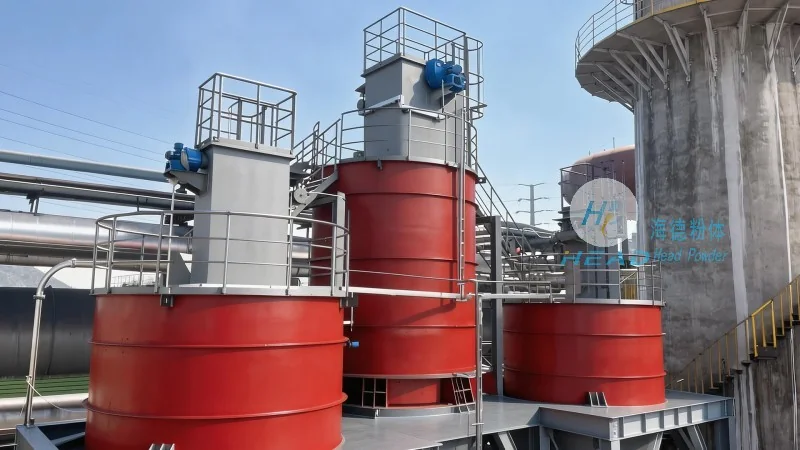
The effectiveness of a dry yeast pneumatic conveying system depends on several critical components that work in tandem to ensure efficient material transport. These components typically include:
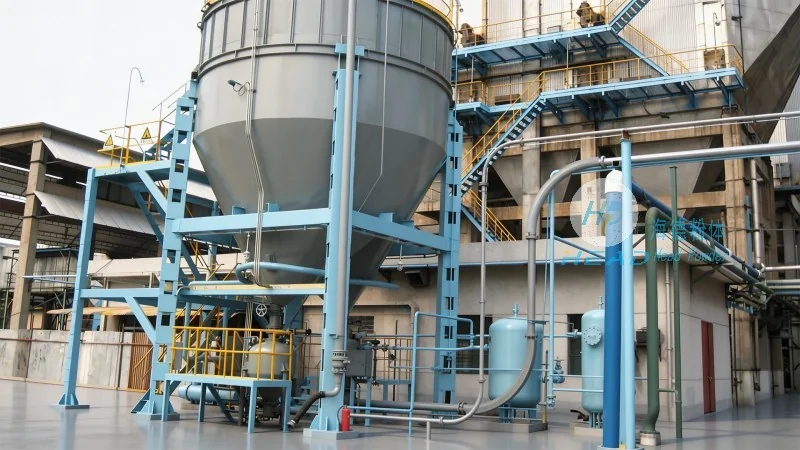
- Feeder: The feeder is responsible for accurately and consistently feeding the dry yeast into the conveying line. It may be a rotary valve, a star feeder, or a screw feeder, depending on the system design and the characteristics of the yeast (e.g., flowability, particle size).
- Conveying Line: The pipeline through which the yeast is transported. It is usually made of stainless steel to maintain hygiene and prevent contamination. The line may include bends, elbows, or expansion joints to accommodate changes in direction or elevation.
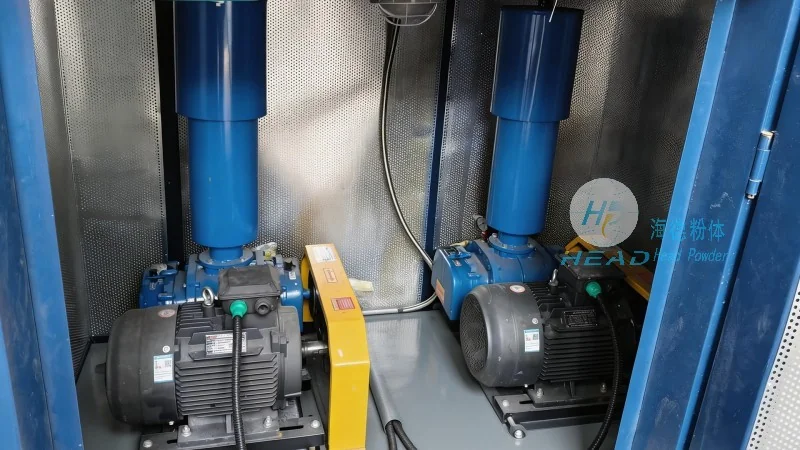
- Compressor or Blower: This component generates the necessary air pressure to move the yeast particles. The choice between a compressor and a blower depends on the system's requirements, such as the distance to be covered and the volume of material to be conveyed.
- Separation and Collection Equipment: At the receiving end of the system, equipment such as cyclones or filters is used to separate the yeast from the air stream and collect it in a storage bin or processing vessel. This step is essential to prevent dust emissions and maintain product quality.
- Control System: A sophisticated control system monitors and regulates the operation of the entire system, ensuring that the flow rate, pressure, and other parameters are maintained within optimal ranges. This helps to prevent system failures and improve overall efficiency.
Design Principles for Optimal Performance
The design of a dry yeast pneumatic conveying system must consider several key principles to ensure reliable and efficient operation. These principles include:
- Material Characteristics: The physical properties of the dry yeast, such as particle size, density, moisture content, and flowability, must be carefully evaluated. These characteristics influence the selection of the feeder type, the air velocity required for conveying, and the overall system design.
- System Pressure and Air Velocity: The pressure and air velocity within the conveying line are critical factors that determine the system's capacity and efficiency. Higher air velocities can increase the conveying capacity but may also lead to increased energy consumption and higher wear on components. Engineers must strike a balance between these factors to achieve optimal performance.
- Pipeline Sizing and Layout: The diameter and length of the conveying line, as well as the number and type of bends, significantly impact the system's performance. Proper sizing ensures that the air velocity remains within the optimal range, while the layout minimizes pressure losses and reduces the risk of material blockages.
- Hygiene and Sanitation: Given that dry yeast is often used in food and beverage applications, the system must be designed with hygiene and sanitation in mind. Stainless steel components, easy-to-clean surfaces, and minimal dead zones are essential to prevent contamination and ensure compliance with regulatory standards.
- Energy Efficiency: Modern pneumatic conveying systems are designed to be energy-efficient, with features such as variable speed drives for the compressor or blower, and optimized air flow control. These measures help to reduce operating costs and minimize the environmental impact of the system.
Applications and Benefits in the Dry Yeast Industry
Dry yeast pneumatic conveying systems are widely used in the food and beverage industry, particularly in breweries, bakeries, and wineries. The benefits of using such systems include:
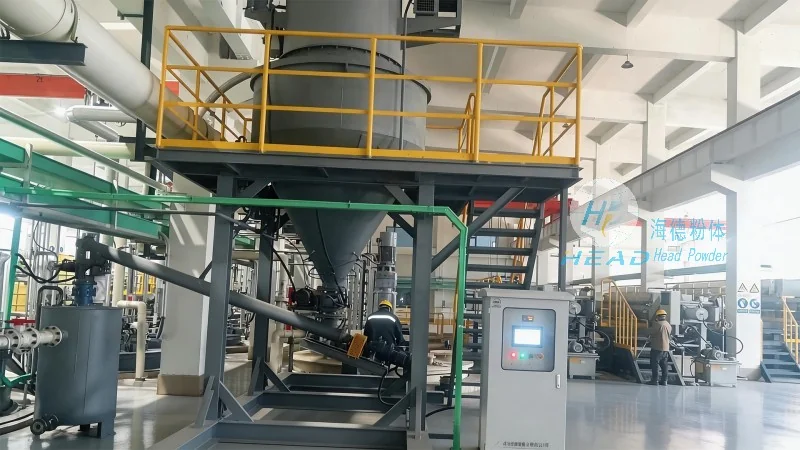
- Improved Product Quality: By minimizing contact with the environment and reducing the risk of contamination, pneumatic conveying helps to maintain the quality and freshness of the dry yeast.
- Enhanced Safety: The enclosed system design reduces the risk of dust explosions and improves workplace safety.
- Increased Efficiency: The ability to transport dry yeast quickly and reliably between different processing stages helps to streamline production and improve overall operational efficiency.
- Flexibility: Pneumatic systems can be easily reconfigured or expanded to accommodate changes in production volume or process requirements.
About Shandong HeadPowder Engineering Co., Ltd.
Shandong HeadPowder Engineering Co., Ltd., a leading manufacturer of industrial conveying systems, specializes in designing and manufacturing high-quality dry yeast pneumatic conveying solutions. With years of experience in the industry, the company has developed a deep understanding of the unique challenges faced by the dry yeast sector and has developed innovative solutions to address them. The company's products are known for their reliability, efficiency, and adherence to industry standards, making them a trusted choice for businesses in the food and beverage industry.

 Shandong Headpowder Engineering Co., Ltd.
 156-6277-7102(Manager Zhang)
  0531-83386006
  Zhangqiu District, Jinan City, Shandong Province, China