With more than 10‑year industry experience, Shandong Headpowder delivers full‑service pneumatic‑conveying systems and blowers, undertaking nationwide turn‑key powder‑handling projects.
Fine material conveying lines are essential components in various industrial applications, facilitating the efficient movement of small particles and powders from one processing stage to another. These systems are designed to handle materials with specific characteristics, ensuring reliable and consistent operation in production environments. The following content provides an overview of the operation process and working principles of such conveying lines, along with details about the company Shandong HeadPowder Engineering Co., Ltd., a leading provider in this field.

Shandong HeadPowder Engineering Co., Ltd., commonly known as headpowder, is a professional manufacturer and supplier specializing in the design, development, and installation of material handling equipment. With a strong presence in China, the company is headquartered in Shandong province, where it leverages advanced technology and industry expertise to deliver high-quality conveying solutions. The company's commitment to innovation and customer satisfaction has established it as a trusted partner for businesses seeking efficient material transport systems.
Fine material conveying lines typically consist of several key components that work in tandem to ensure smooth operation. The primary elements include an inlet hopper for material feeding, a conveyor mechanism (such as screw conveyors, belt conveyors, or pneumatic systems), a control system for operation monitoring, and an outlet for discharged material. Each component is carefully engineered to handle the specific properties of the material being transported, such as particle size, density, and moisture content. The inlet hopper is designed to evenly distribute the material and prevent blockages, while the conveyor mechanism ensures continuous movement without excessive friction or degradation of the material. The control system plays a crucial role in regulating the speed, direction, and flow rate of the conveying process, allowing for precise control and adaptability to varying production demands.
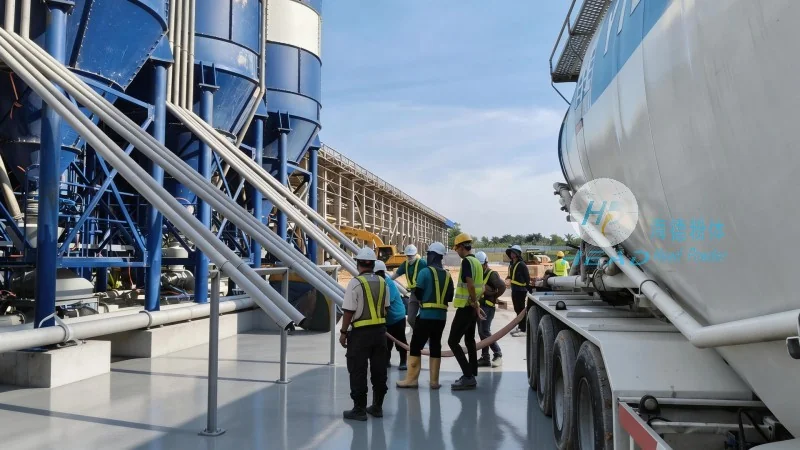
The operation process of fine material conveying lines begins with the loading of material into the inlet hopper. The material is then fed into the conveyor mechanism, which transports it along the designated path. The control system monitors the flow rate and adjusts the conveyor speed as needed to maintain optimal performance. During the conveying process, the material may undergo additional processing steps, such as mixing, blending, or sorting, depending on the specific application. The system ensures that the material is delivered to the outlet at the required rate and condition, ready for the next stage of production. Regular maintenance and monitoring are essential to ensure the longevity and efficiency of the conveying line, minimizing downtime and maximizing productivity.
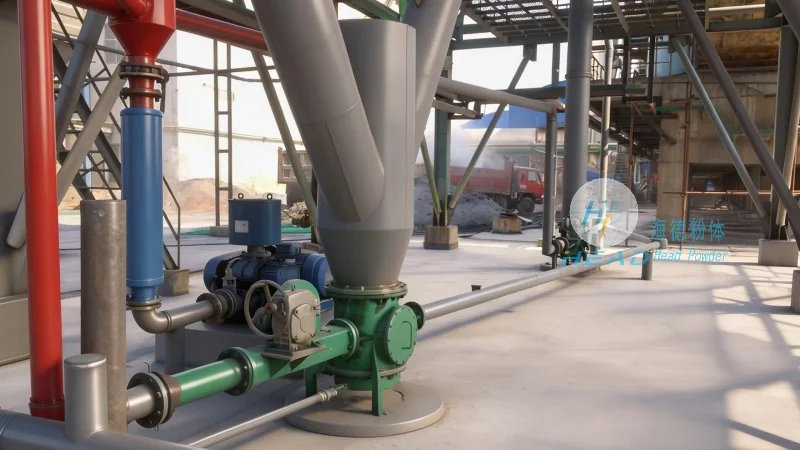
The working principle of fine material conveying lines is based on the physical properties of the material and the mechanical action of the conveyor components. For example, screw conveyors utilize a rotating screw to push material forward, while belt conveyors rely on friction between the belt and the material to move it. Pneumatic conveying systems use compressed air to transport material through a pipeline, creating a flow that carries the particles. The control system integrates sensors and feedback mechanisms to adjust the operation based on real-time conditions, such as material level or conveyor speed. This closed-loop control ensures that the conveying process remains stable and efficient, even under varying loads or environmental conditions. The design of the conveying line is tailored to the specific characteristics of the material, ensuring that the system operates within optimal parameters and avoids issues like clogging or material degradation.
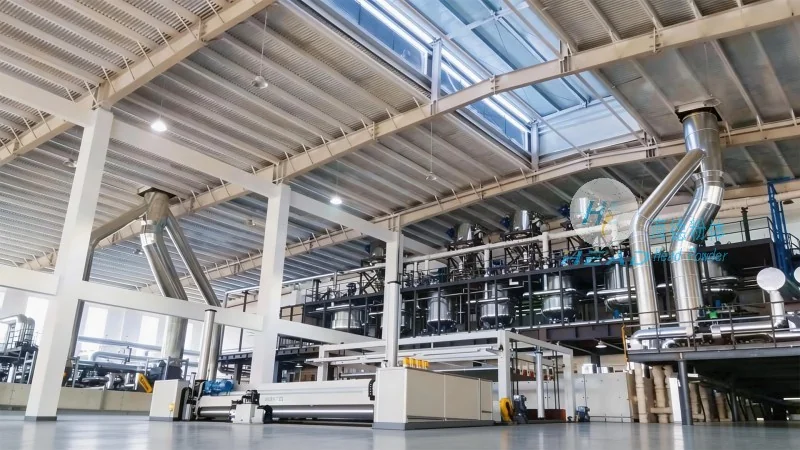
Fine material conveying lines are widely used in industries such as pharmaceuticals, food processing, chemical manufacturing, and mining. They are particularly valuable in applications where precise control over material flow is critical, as small variations can impact product quality and efficiency. The benefits of these systems include improved productivity, reduced labor costs, and enhanced safety by minimizing manual handling of materials. Additionally, the modular design of many conveying lines allows for easy integration with existing production lines, providing flexibility and scalability for growing businesses. The use of advanced materials and engineering techniques ensures that these systems are durable, low-maintenance, and capable of handling a wide range of materials with minimal downtime.
In conclusion, fine material conveying lines are sophisticated systems that play a vital role in modern industrial operations. The operation process and working principles of these lines are carefully designed to ensure efficient and reliable material transport, while the company Shandong HeadPowder Engineering Co., Ltd. provides comprehensive solutions tailored to the specific needs of its clients. By understanding the components, operation, and benefits of such systems, businesses can enhance their production processes and achieve greater efficiency and productivity.

 Shandong Headpowder Engineering Co., Ltd.
 156-6277-7102(Manager Zhang)
  0531-83386006
  Zhangqiu District, Jinan City, Shandong Province, China
telephone
WeChatconsult
top