With more than 10‑year industry experience, Shandong Headpowder delivers full‑service pneumatic‑conveying systems and blowers, undertaking nationwide turn‑key powder‑handling projects.
When it comes to handling and transporting magnesium sulfate heptahydrate, a specialized system known as a pneumatic conveying line is often employed. This technology is crucial for efficiently moving the material from one location to another, ensuring minimal loss and maintaining product integrity. In this article, we will explore what a magnesium sulfate heptahydrate pneumatic conveying system is and delve into the core design principles that underpin its operation.
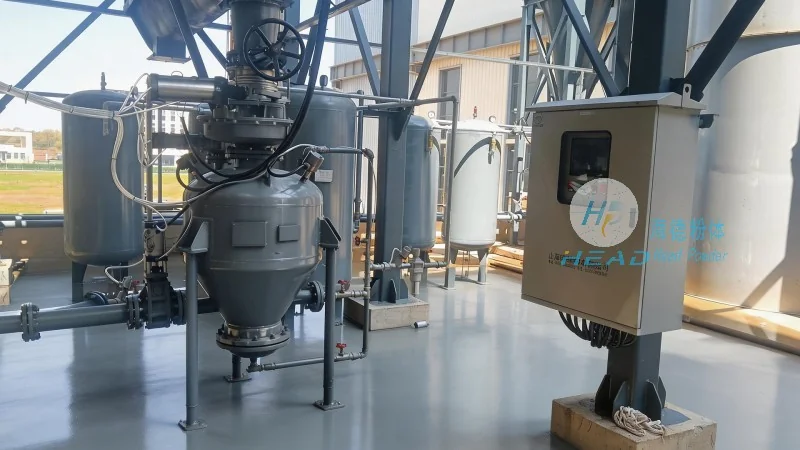
Magnesium sulfate heptahydrate, commonly known as Epsom salt, is a white crystalline powder widely used in various industries, including pharmaceuticals, agriculture, and food processing. The material's hygroscopic nature and fine particle size make traditional bulk handling methods challenging. A pneumatic conveying system addresses these challenges by using air or gas to transport the material through a pipeline network. This method offers several advantages, such as reduced dust generation, improved safety, and the ability to transport materials over long distances without the need for intermediate storage or manual handling.
The magnesium sulfate heptahydrate pneumatic conveying system consists of several critical components that work in tandem to ensure smooth operation. These components include a material feeder, a conveying pipeline, a pressure vessel or receiver, and a control system. The material feeder is responsible for feeding the magnesium sulfate heptahydrate into the system, typically using a screw feeder or a rotary valve to maintain a consistent flow rate. The conveying pipeline is designed to withstand the pressure and temperature conditions of the system and is usually made of stainless steel or other corrosion-resistant materials to prevent contamination and degradation of the product. The pressure vessel or receiver is where the material is collected before it is discharged to the final destination. It is equipped with a discharge valve to control the release of the material. The control system monitors and regulates the flow of air or gas, the pressure within the system, and the material feed rate to ensure optimal performance and prevent system failures.
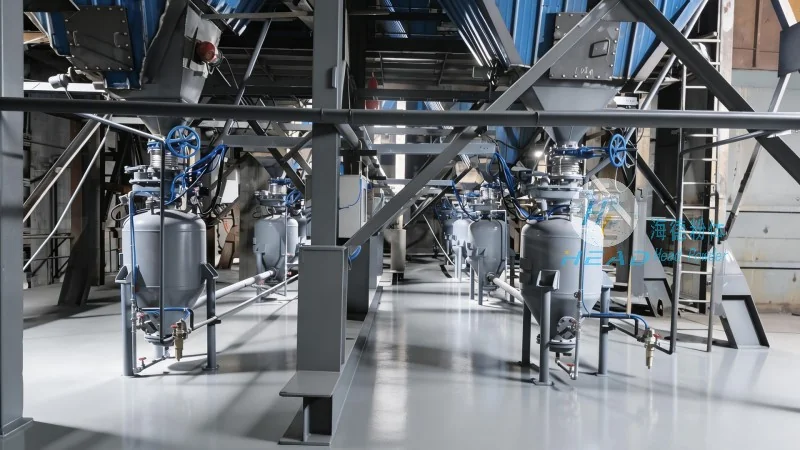
The design of a magnesium sulfate heptahydrate pneumatic conveying system is based on several key principles to ensure efficiency, reliability, and safety. One of the primary principles is the selection of the appropriate conveying velocity. The velocity must be high enough to prevent material settling in the pipeline but low enough to avoid excessive wear and tear on the system components. The system's design also considers the material's properties, such as its density, particle size distribution, and flowability, to determine the optimal air-to-material ratio. This ratio is crucial for maintaining a stable flow and preventing blockages or surging. Another important principle is the system's pressure drop, which is the pressure loss that occurs as the material and air move through the pipeline. Proper design minimizes pressure drop to reduce energy consumption and ensure consistent material transport. Additionally, the system's layout and the number of bends and fittings are carefully considered to minimize friction losses and maintain the material's flow characteristics. The use of appropriate filters and separators is also essential to remove any dust or moisture from the air, preventing contamination and ensuring the longevity of the system components.
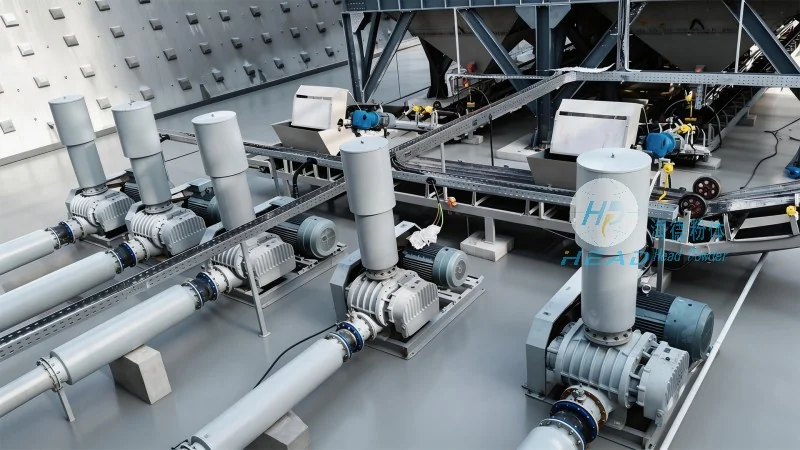
Magnesium sulfate heptahydrate pneumatic conveying systems are widely used in various industrial applications due to their versatility and efficiency. In the pharmaceutical industry, these systems are used to transport raw materials to production lines, ensuring a clean and controlled environment. In agriculture, they help in the distribution of magnesium sulfate fertilizers to farms, improving the efficiency of the supply chain. The food processing industry also benefits from these systems, as they enable the safe and hygienic handling of magnesium sulfate heptahydrate in food production processes. The primary benefits of using a pneumatic conveying system for magnesium sulfate heptahydrate include improved safety, reduced labor costs, increased production efficiency, and enhanced product quality. The system minimizes dust exposure, which is a significant health hazard in many industries, and reduces the risk of material spillage or contamination. Furthermore, the automated nature of the system allows for consistent and reliable material transport, reducing the need for manual intervention and minimizing the potential for human error.
In conclusion, a magnesium sulfate heptahydrate pneumatic conveying system is a sophisticated and efficient solution for handling and transporting this important material. The system's design, based on principles such as appropriate conveying velocity, optimal air-to-material ratio, and minimized pressure drop, ensures reliable and safe operation. The components of the system, including the material feeder, conveying pipeline, pressure vessel, and control system, work together to deliver the material to its destination with minimal loss and maximum integrity. As a leading provider in this field, Shandong HeadPowder Engineering Co., Ltd. specializes in designing and manufacturing these systems to meet the specific needs of various industries. With its headquarters in Shandong, China, the company leverages its expertise and experience to deliver high-quality pneumatic conveying solutions that enhance operational efficiency and product quality for its clients.

 Shandong Headpowder Engineering Co., Ltd.
 156-6277-7102(Manager Zhang)
  0531-83386006
  Zhangqiu District, Jinan City, Shandong Province, China
telephone
WeChatconsult
top