With more than 10‑year industry experience, Shandong Headpowder delivers full‑service pneumatic‑conveying systems and blowers, undertaking nationwide turn‑key powder‑handling projects.
HeadPowder, a leading engineering firm based in Shandong, China, specializes in the design, manufacturing, and installation of advanced material handling systems. This article provides a comprehensive overview of the operation process and working principle of a zinc oxide material conveying line, highlighting the key components, operational procedures, and technical aspects that ensure efficient and reliable material transport.
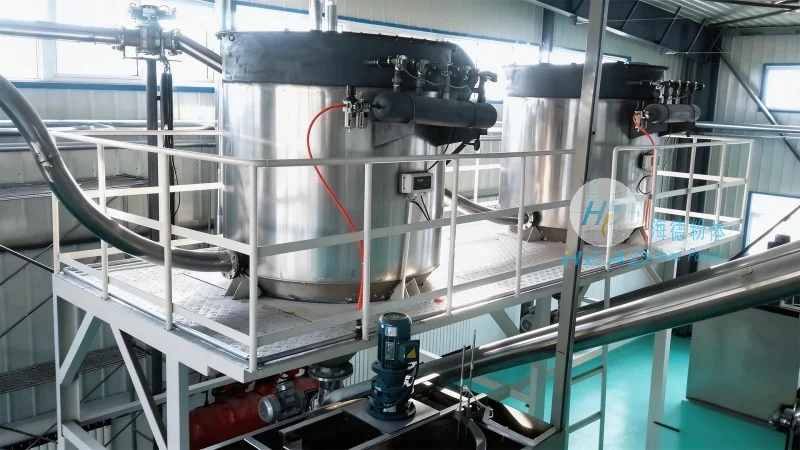
The zinc oxide material conveying line typically consists of several critical components that work in tandem to facilitate the smooth movement of the material. These components include feeders, conveyors (such as belt conveyors or screw conveyors), control systems, and safety mechanisms. Each component plays a vital role in maintaining the integrity and efficiency of the conveying process.
The operation of the zinc oxide material conveying line begins with the material being fed into the system, often from a storage silo or hopper. The feeder, which may be a rotary valve or a vibratory feeder, regulates the flow rate of the zinc oxide, ensuring a consistent and controlled input. This regulated flow then moves into the conveyor section, where the material is transported along a path from the inlet to the outlet. The conveyor system, whether a belt conveyor with a drive motor or a screw conveyor with a rotating shaft, utilizes mechanical energy to move the material forward. The control system monitors various parameters, including flow rate, speed, and pressure, to maintain optimal performance and prevent system failures. Safety features, such as emergency stop buttons and overload protection, are integrated to ensure the safety of operators and the equipment.
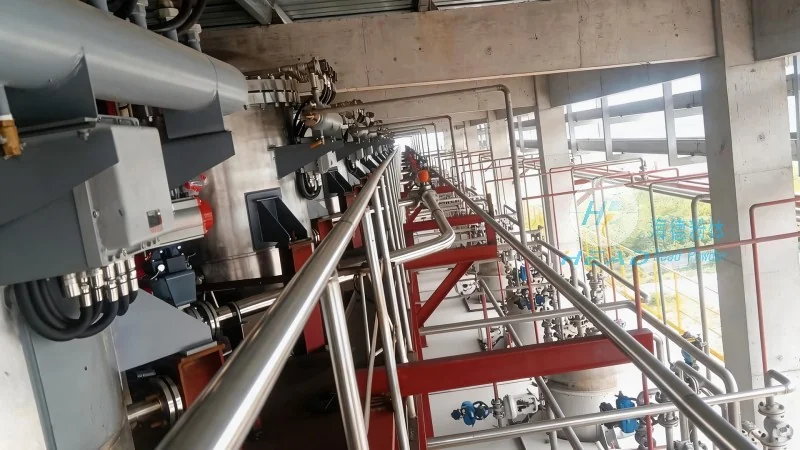
The operation process of the zinc oxide material conveying line involves several sequential steps that ensure the material is transported efficiently and safely. The first step is the preparation phase, where the system is checked for proper functionality, including the status of the feeder, conveyor, and control system. Once the system is confirmed to be in good working condition, the material is introduced into the hopper. The second step is the start-up phase, where the feeder is activated to regulate the flow of zinc oxide into the conveyor. The conveyor then begins to move the material forward, and the control system monitors the process to ensure smooth operation. The third step is the continuous operation phase, where the system runs continuously until the material is fully transported to the desired destination. The fourth step is the shutdown phase, where the feeder is stopped, and the conveyor is turned off to prevent material buildup and ensure safety. Finally, the system is inspected for any issues before the next cycle begins.
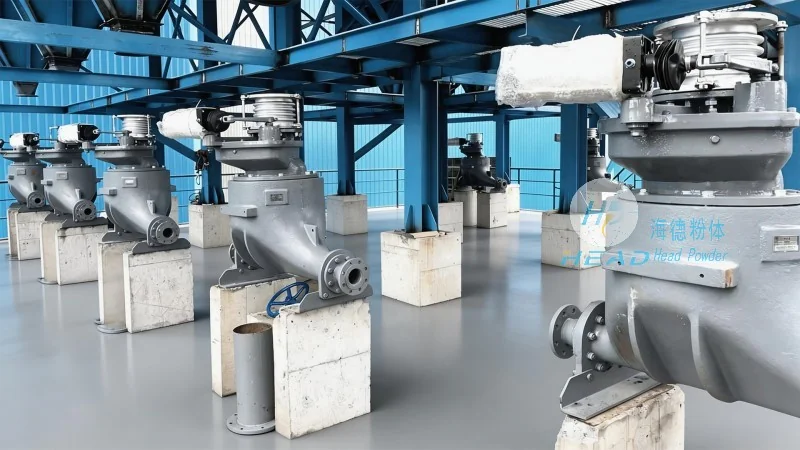
Several technical considerations are crucial for the efficient operation of the zinc oxide material conveying line. First, the material characteristics, such as particle size, moisture content, and bulk density, must be considered when selecting the appropriate feeder and conveyor type. For example, if the zinc oxide has a high moisture content, a vibratory feeder may be more suitable to prevent material sticking. Second, the system's capacity and throughput must be matched to the production requirements to avoid bottlenecks. Third, regular maintenance is essential to ensure the longevity of the equipment and prevent breakdowns. This includes cleaning the conveyor belt, lubricating moving parts, and checking the condition of the feeder and control system. Finally, proper training of operators is necessary to ensure they can operate the system safely and efficiently.
In conclusion, the operation process and working principle of a zinc oxide material conveying line are critical to the efficient and safe transport of the material. The system's components, including feeders, conveyors, control systems, and safety mechanisms, work together to ensure the material is transported smoothly and reliably. By following the step-by-step operation process and considering technical aspects such as material characteristics and maintenance, the conveying line can achieve optimal performance and meet the production requirements. HeadPowder, with its expertise in material handling systems, provides high-quality solutions for zinc oxide material conveying, ensuring efficient and safe operations for its clients in Shandong, China.

 Shandong Headpowder Engineering Co., Ltd.
 156-6277-7102(Manager Zhang)
  0531-83386006
  Zhangqiu District, Jinan City, Shandong Province, China
telephone
WeChatconsult
top