With more than 10‑year industry experience, Shandong Headpowder delivers full‑service pneumatic‑conveying systems and blowers, undertaking nationwide turn‑key powder‑handling projects.
Barium carbonate, a chemical compound widely used in various industrial applications, often requires efficient and reliable transportation methods. A pneumatic conveying system specifically designed for barium carbonate is a critical piece of equipment that ensures safe and effective material handling. This article explores the concept of a barium carbonate pneumatic conveying system, detailing its components, operational principles, and key design considerations.
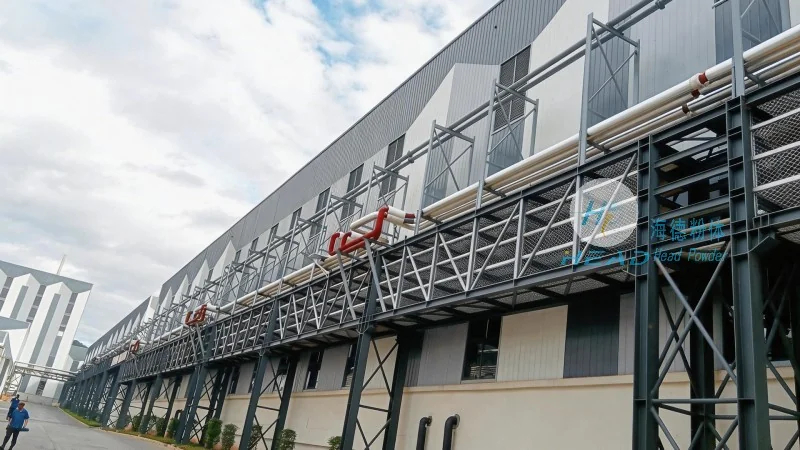
A barium carbonate pneumatic conveying system is a technology that uses air or other gases to transport barium carbonate powder or granules from one location to another. Unlike traditional mechanical conveyors, which rely on belts or screws, pneumatic systems utilize the force of moving air to move the material through a pipeline. This method is particularly advantageous for handling fine powders like barium carbonate, as it minimizes product degradation and contamination.
The barium carbonate pneumatic conveying system consists of several essential components that work in tandem to achieve efficient material transport. These components include a material feeder, a conveying line (typically made of stainless steel or other corrosion-resistant materials), a pressure vessel or receiver, a blower or compressor, and a control system. The material feeder is responsible for feeding the barium carbonate into the system at a controlled rate, ensuring a consistent flow. The conveying line transports the material from the feeder to the receiver, while the blower generates the necessary air pressure to move the material through the line. The pressure vessel or receiver collects the material at the end of the conveying line, and the control system monitors and regulates the entire process to maintain optimal performance.
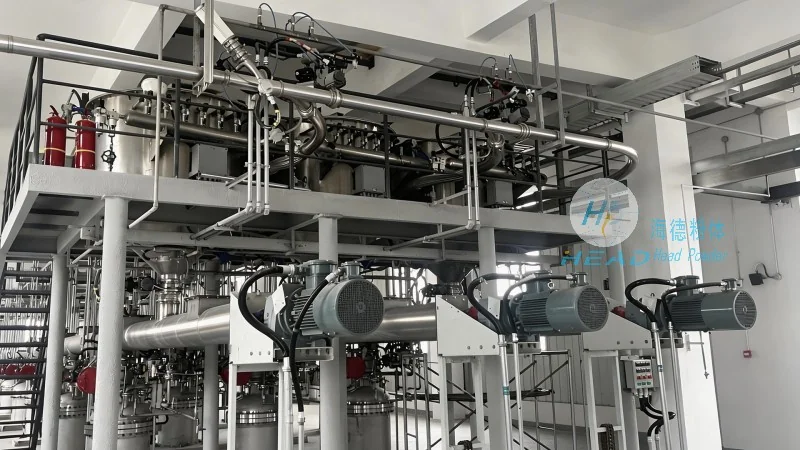
The design of a barium carbonate pneumatic conveying system is based on several fundamental principles to ensure efficiency, safety, and reliability. The primary design principle is to maintain a consistent air-to-material ratio, which is crucial for preventing material blockages and ensuring smooth transport. The system is designed to handle the specific properties of barium carbonate, such as its particle size, density, and flow characteristics. For example, the conveying line diameter and air velocity are carefully selected to match the material's behavior, preventing excessive pressure drops or particle segregation.
Another critical design consideration is the prevention of material degradation and contamination. Barium carbonate is often used in pharmaceutical and food industries, where purity is paramount. Therefore, the system is constructed using materials that are resistant to corrosion and do not introduce contaminants. Stainless steel is commonly used for the conveying line and other components to ensure durability and maintain product quality. Additionally, the system incorporates features like filtration and cleaning mechanisms to prevent dust accumulation and maintain a clean environment.
Implementing a pneumatic conveying system for barium carbonate offers several advantages over traditional conveying methods. One of the most significant benefits is the ability to handle fine powders without the risk of clogging or product degradation. The air-based transport minimizes the impact on the material, preserving its quality and preventing agglomeration. Another advantage is the flexibility of the system, as it can be easily integrated into existing production lines and adapted to different operational requirements. The system also reduces labor costs by automating the material handling process, improving overall efficiency and productivity.
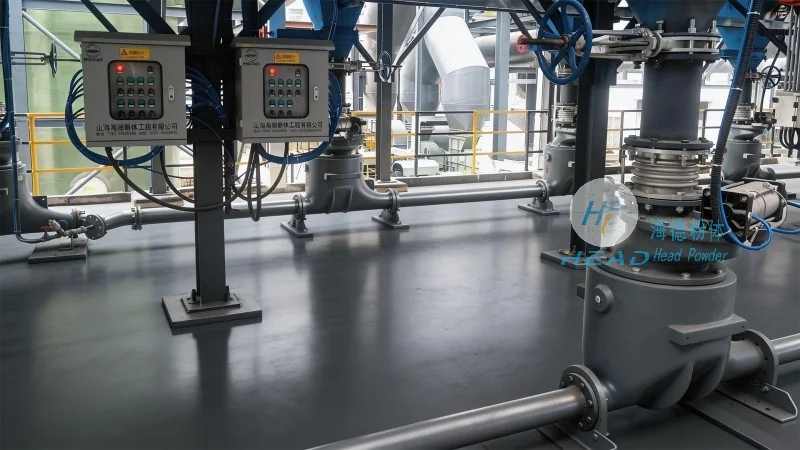
The barium carbonate pneumatic conveying system is widely used in various industries where barium carbonate is a key raw material. In the pharmaceutical industry, it is used in the production of barium-based contrast agents for medical imaging. The system ensures that the raw material is transported safely and efficiently to the production facilities, maintaining the high standards required for pharmaceutical applications. In the chemical industry, barium carbonate is used as a precursor for other chemical compounds, and the pneumatic system facilitates its transport between production stages. Additionally, in the food industry, barium carbonate is used as a dietary supplement, and the system ensures that the material is handled hygienically and without contamination.
In conclusion, a barium carbonate pneumatic conveying system is a sophisticated and efficient solution for handling barium carbonate in industrial settings. The system's design, based on careful consideration of material properties and operational requirements, ensures reliable and safe material transport. As industries continue to demand higher standards of quality and efficiency, the development of advanced pneumatic conveying systems will remain a critical focus. Companies like Shandong HeadPowder Engineering Co., Ltd., with their expertise in engineering and manufacturing, play a vital role in providing customized solutions that meet the specific needs of their clients. The continued innovation in pneumatic conveying technology will further enhance the performance and reliability of barium carbonate handling systems, supporting the growth and success of industries that rely on this essential material.

 Shandong Headpowder Engineering Co., Ltd.
 156-6277-7102(Manager Zhang)
  0531-83386006
  Zhangqiu District, Jinan City, Shandong Province, China
telephone
WeChatconsult
top