With more than 10‑year industry experience, Shandong Headpowder delivers full‑service pneumatic‑conveying systems and blowers, undertaking nationwide turn‑key powder‑handling projects.
Shandong HeadPowder Engineering Co., Ltd. is a prominent entity in the engineering sector, dedicated to developing and manufacturing advanced pneumatic conveying systems tailored for handling silica powder. This article explores the underlying principles of these systems and outlines the distinctive characteristics of their operational environments. Understanding these elements is vital for industries that rely on efficient material transport, as it enables them to select the most suitable solutions for their specific needs. The focus here is on the technical aspects and practical applications of silica powder pneumatic conveying, providing a comprehensive overview for potential users and stakeholders.
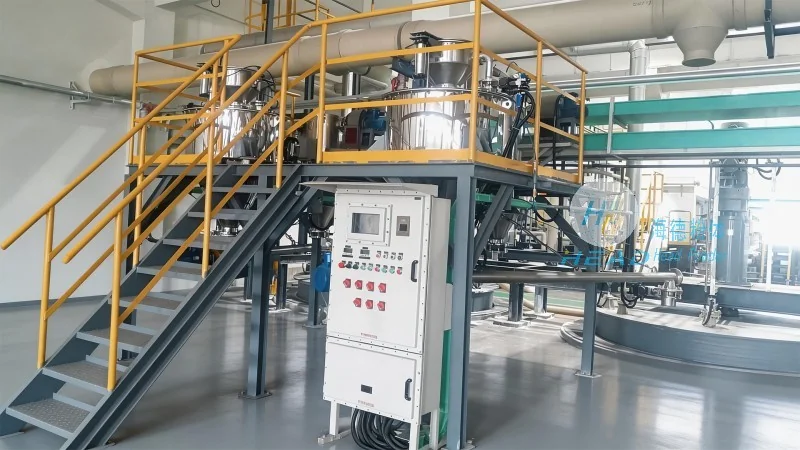
The fundamental principle of pneumatic conveying for silica powder revolves around the suspension of powder particles in an air stream, which then transports them through a pipeline. This method is based on the concept of fluidization, where the air velocity is maintained at a level that keeps the particles suspended without causing excessive pressure drop or energy consumption. The system typically comprises several key components: a hopper for material storage, a blower or compressor to generate the air flow, a pipeline network connecting the source and destination, and a receiver to collect the material at the end of the line. For silica powder, which often has a fine particle size and can be abrasive, the design of these components is critical. For instance, the pipeline material must be resistant to corrosion and wear, and the hopper may need to incorporate features like agitators or vibrators to prevent material bridging or caking. The air velocity is calculated based on the particle size, density, and the desired conveying rate, ensuring that the system operates efficiently and without blockages.
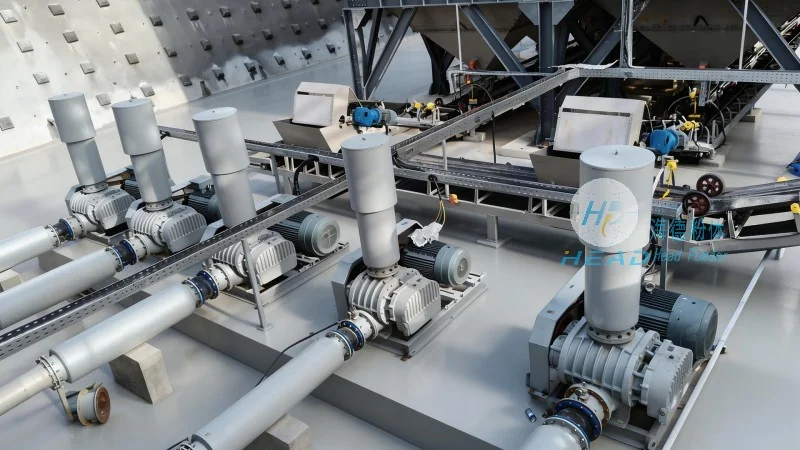
The operational characteristics of silica powder pneumatic conveying systems are shaped by various factors that define their performance and adaptability across different scenarios. These factors include the particle size distribution, moisture content, and bulk density of the silica powder, as well as the distance and elevation changes between the source and the destination. The choice of conveying method—whether dilute phase or dense phase—significantly impacts the system's efficiency and energy usage. Dilute phase systems are commonly used for short to medium distances and low to moderate material loads, where the air velocity is high enough to keep particles suspended. Dense phase systems, on the other hand, are preferred for longer distances or when handling more abrasive or sensitive materials, as they use lower air velocities and higher material concentrations to reduce wear and prevent particle degradation. Additionally, the system's design must consider the ambient conditions, such as temperature and humidity, which can affect the powder's flow properties and the air's behavior within the pipeline. For example, in humid environments, silica powder may absorb moisture, leading to caking, which requires additional measures like heating or drying to maintain flowability.
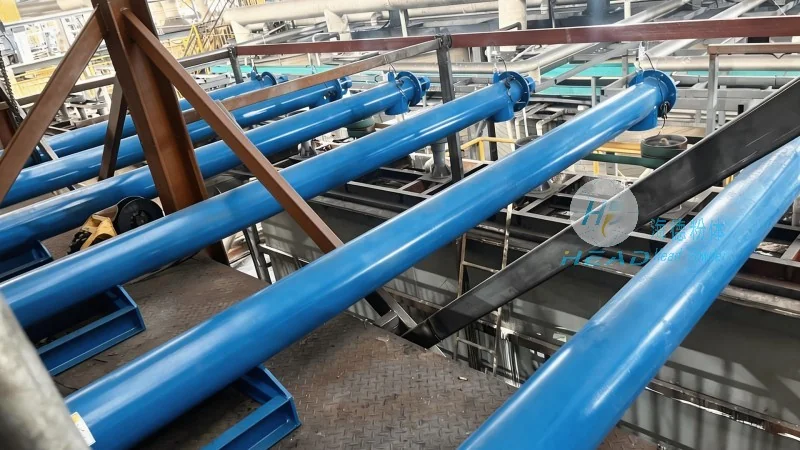
Silica powder is a versatile material widely used in industries such as glass manufacturing, foundry casting, construction, and refractory production. In these sectors, reliable material handling is essential to maintain production continuity and product quality. Pneumatic conveying lines offer a closed-loop, dust-free solution that minimizes product contamination and environmental impact. For instance, in glass factories, silica powder is used as a raw material for glass production, and pneumatic conveying ensures that it is transported from storage silos to the melting furnaces without exposing workers to dust or compromising the material's purity. Similarly, in foundries, silica powder is used as a refractory material in molds, and the conveying system allows for precise and controlled delivery to the molding equipment. The flexibility of pneumatic conveying also enables integration with existing production lines, allowing for seamless material transfer from storage to processing equipment. This integration reduces downtime and improves overall operational efficiency, making it a preferred choice for industries that require consistent and reliable material supply.
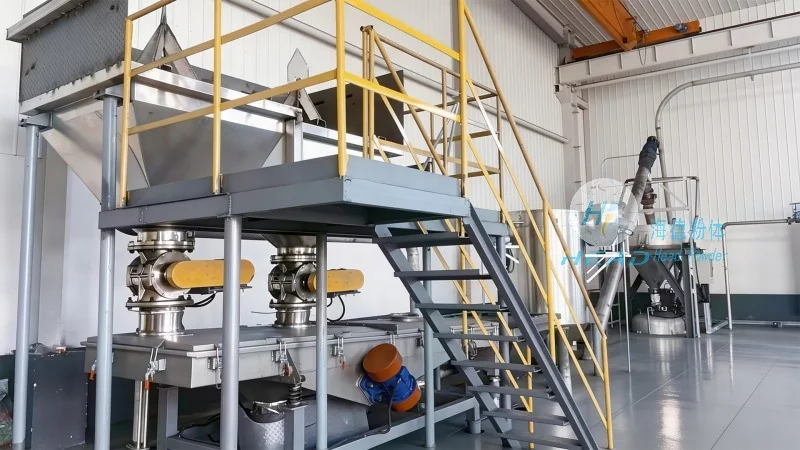
Adopting a silica powder pneumatic conveying line offers several advantages that enhance operational efficiency and safety. One of the primary benefits is increased productivity, as the system can handle high volumes of material at a consistent rate, reducing bottlenecks in the production process. Additionally, it minimizes labor costs by automating the material transport process, eliminating the need for manual handling and associated risks. Safety is another significant advantage, as the closed-loop system prevents dust emissions, reducing the risk of respiratory issues for workers and minimizing environmental pollution. Furthermore, the system's compact design allows for easy installation in limited spaces, making it suitable for both new and existing facilities. However, there are also considerations to keep in mind when implementing such a system. The initial investment cost can be higher compared to traditional methods like bucket elevators or belt conveyors, and ongoing maintenance is required to ensure optimal performance. The system also needs proper air filtration and dust collection to comply with environmental regulations and maintain a safe working environment. Moreover, the design must account for the specific properties of the silica powder, such as its flowability and potential for caking, to prevent blockages and ensure smooth operation. By carefully evaluating these factors, industries can make informed decisions and maximize the benefits of pneumatic conveying systems.

 Shandong Headpowder Engineering Co., Ltd.
 156-6277-7102(Manager Zhang)
  0531-83386006
  Zhangqiu District, Jinan City, Shandong Province, China
telephone
WeChatconsult
top