With more than 10‑year industry experience, Shandong Headpowder delivers full‑service pneumatic‑conveying systems and blowers, undertaking nationwide turn‑key powder‑handling projects.
Sesame pneumatic conveying equipment is a specialized system designed for the efficient transport of sesame seeds and other similar bulk materials. This technology has become increasingly important in the food processing and agricultural sectors, where the need for reliable, hygienic, and efficient material handling solutions is paramount. The equipment operates by using air pressure to move particles through a pipeline, offering a clean and low-maintenance alternative to traditional mechanical conveyors. As a key component in sesame processing facilities, this equipment ensures that the product remains uncontaminated and is transported with minimal risk of damage, making it an essential tool for modern sesame handling operations.
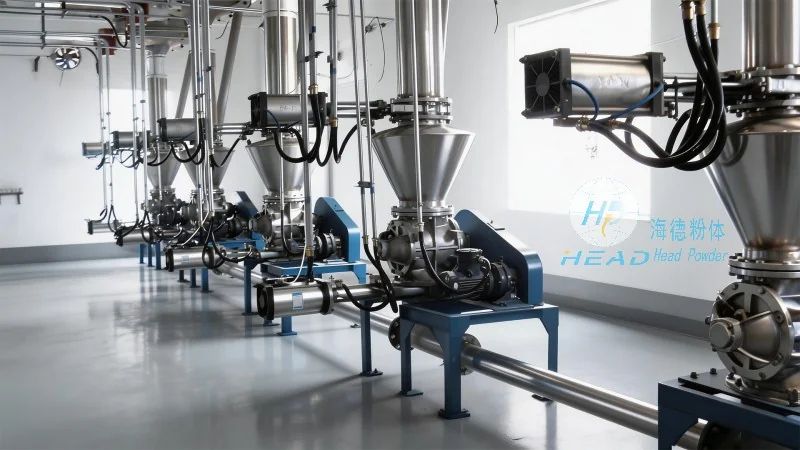
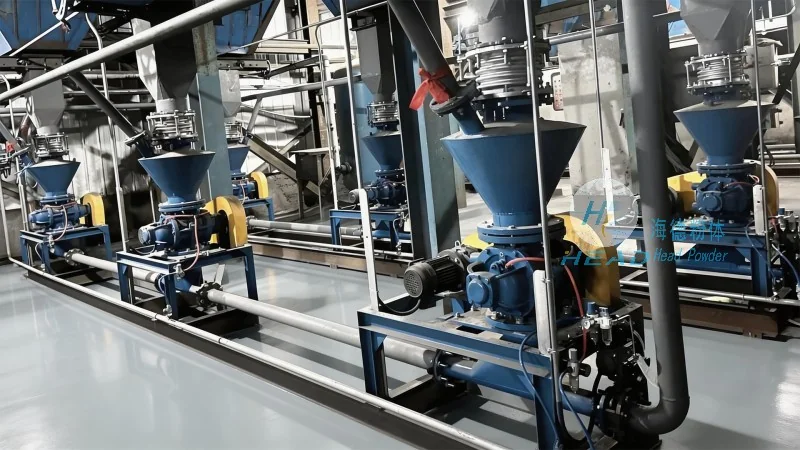
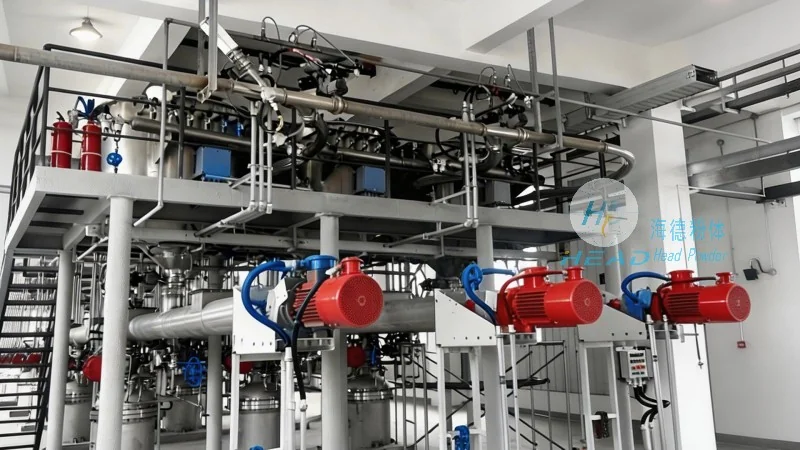
The design of sesame pneumatic conveying equipment is based on several fundamental principles that ensure optimal performance and reliability. The primary principle is the use of air as the conveying medium, which can be either positive pressure (where air pushes the material) or negative pressure (where air pulls the material). For sesame seeds, positive pressure systems are often preferred due to their ability to handle abrasive materials and maintain a consistent flow rate. The system typically consists of a blower or compressor, a hopper to hold the sesame seeds, a pipeline network, and a discharge point. The blower generates the necessary air pressure, which is then directed into the pipeline, creating a flow that carries the sesame seeds along. The design must also consider factors such as the particle size and density of the sesame seeds, as these affect the air velocity required for effective transport. Additionally, the system must be constructed from materials that are resistant to corrosion and easy to clean, ensuring compliance with food safety regulations. The overall design aims to balance efficiency, cost-effectiveness, and durability, making it suitable for both small-scale and large-scale sesame processing operations.
Several critical components make up a sesame pneumatic conveying system, each playing a vital role in the overall operation. The first component is the blower or air compressor, which provides the necessary air pressure to move the material. This unit is typically located at the inlet of the system and is responsible for generating the airflow that propels the sesame seeds through the pipeline. The second key component is the hopper or feeder, which holds the sesame seeds and feeds them into the pipeline at a controlled rate. The hopper is designed to prevent material buildup and ensure a consistent flow, which is crucial for maintaining the system's efficiency. The pipeline network is another essential part, as it forms the path through which the sesame seeds are conveyed. These pipelines are usually made of stainless steel or other corrosion-resistant materials to withstand the abrasive nature of the seeds and to meet hygiene standards. The pipeline design includes bends, elbows, and straight sections, which are carefully calculated to maintain the air velocity and prevent material settling or blockages. The discharge point, or receiver, is where the sesame seeds are deposited at the end of the pipeline. This component is designed to handle the material safely and efficiently, often with a valve to control the discharge rate. Finally, the control system, which may include sensors and automation, monitors the flow rate, air pressure, and other parameters to ensure the system operates within optimal conditions. This control system helps to prevent overloading, air leaks, and other issues that could affect the performance of the equipment.

 Shandong Headpowder Engineering Co., Ltd.
 156-6277-7102(Manager Zhang)
  0531-83386006
  Zhangqiu District, Jinan City, Shandong Province, China
telephone
WeChatconsult
top