With more than 10‑year industry experience, Shandong Headpowder delivers full‑service pneumatic‑conveying systems and blowers, undertaking nationwide turn‑key powder‑handling projects.
Film-coated sand pneumatic conveying equipment is a specialized industrial device designed for the efficient and reliable transportation of film-coated sand materials. This equipment plays a crucial role in various manufacturing processes, particularly in foundries and casting industries where the handling of abrasive and fine-grained materials is essential. The primary function of such equipment is to transport film-coated sand from a storage location to a processing or application point using air as the conveying medium. This method offers significant advantages over traditional mechanical conveying systems, including reduced material degradation, lower maintenance requirements, and improved safety in handling potentially hazardous or dust-laden materials.
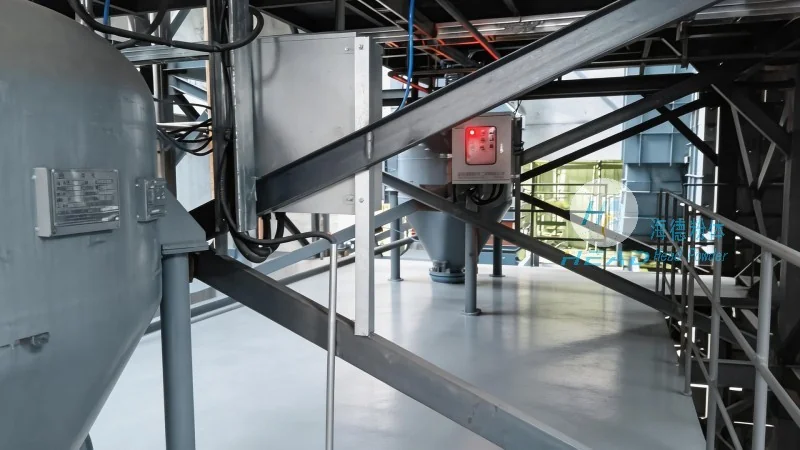
Shandong HeadPowder Engineering Co., Ltd., commonly known as HeadPowder, is a reputable company based in Shandong, China, specializing in the design, manufacturing, and supply of advanced pneumatic conveying equipment. With a strong commitment to quality and innovation, HeadPowder has established itself as a trusted partner for industries requiring efficient material handling solutions. The company's products are engineered to meet the specific needs of various applications, ensuring optimal performance and reliability in demanding operational environments.
The design of film-coated sand pneumatic conveying equipment is based on several key principles that ensure effective material transport. The core of the system involves a combination of air flow management, material feeding mechanisms, and pressure control to achieve consistent and efficient conveying. One of the fundamental design considerations is the selection of appropriate air velocities and pressure levels to prevent material deposition or blockage in the conveying lines. The equipment typically includes components such as a hopper for material storage, a rotary valve or feeder to control the flow rate, and a conveying pipe system that may incorporate bends, elbows, or expansion joints to accommodate changes in direction or elevation.

Another critical design principle is the use of air filtration and dust collection systems to maintain air quality and comply with environmental regulations. These systems are essential for handling fine-grained materials like film-coated sand, which can generate significant dust during the conveying process. The design also emphasizes the use of durable materials for the conveying components, such as stainless steel or corrosion-resistant alloys, to withstand the abrasive nature of the material and ensure long-term operational life.
The film-coated sand pneumatic conveying equipment consists of several key components, each playing a vital role in the overall operation. The hopper serves as the primary storage vessel, providing a sufficient volume of material to maintain a continuous flow. The rotary valve or feeder is responsible for controlling the discharge rate of the material, ensuring a steady and controlled feed into the conveying system. The conveying pipe is the main channel through which the material and air mixture travels, and its design, including the use of smooth inner surfaces and appropriate diameter, is crucial for minimizing friction and pressure losses.
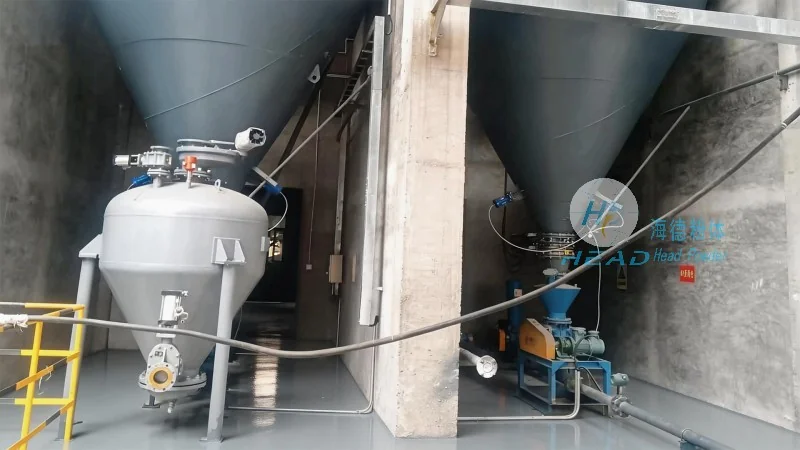
The air supply system, including a blower or compressor, generates the necessary air pressure to move the material through the pipe. The pressure control system regulates the air flow, maintaining consistent pressure levels to prevent fluctuations that could affect the conveying efficiency. Additionally, the system may include a filter and dust collector to capture any airborne particles, ensuring that the exhaust air is clean and compliant with environmental standards.
There are several advantages associated with the use of film-coated sand pneumatic conveying equipment. One of the most significant benefits is the ability to transport materials over long distances without the need for multiple transfer points or intermediate storage. This reduces the overall system complexity and operational costs. The equipment also offers improved material handling efficiency, as it can handle fine-grained and abrasive materials that are difficult to transport using traditional methods. Additionally, the enclosed system design minimizes dust exposure, enhancing workplace safety and reducing the risk of material contamination.
Another advantage is the flexibility of the system, which can be easily adapted to different production requirements. The conveying speed and volume can be adjusted to match the production rate, allowing for seamless integration into existing manufacturing processes. The equipment also provides better material control, as the flow rate can be precisely regulated, preventing overloading or underloading of the processing equipment.
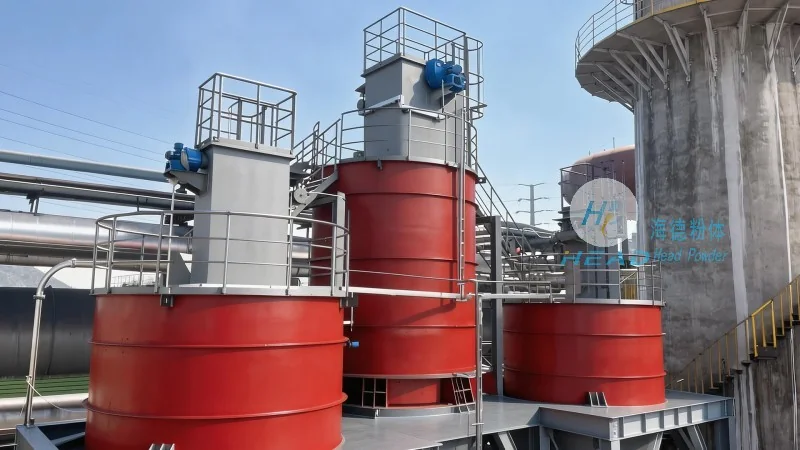
Film-coated sand pneumatic conveying equipment is widely used in various manufacturing industries, particularly in foundries and casting operations. In these applications, the equipment is used to transport film-coated sand from storage silos to molding machines or casting lines. The efficient conveying of the material ensures that the production process runs smoothly, with minimal downtime due to material shortages or blockages. The equipment is also used in other industries such as ceramics, pharmaceuticals, and food processing, where the handling of fine-grained materials is required.
In the foundry industry, for example, the equipment is used to transport film-coated sand to molding machines, where it is used as a core material or for surface coating. The consistent and reliable delivery of the material ensures that the molding process is efficient and the final products meet the required quality standards. The equipment's ability to handle abrasive materials without causing wear and tear on the components also contributes to its popularity in this industry.

 Shandong Headpowder Engineering Co., Ltd.
 156-6277-7102(Manager Zhang)
  0531-83386006
  Zhangqiu District, Jinan City, Shandong Province, China
telephone
WeChatconsult
top