With more than 10‑year industry experience, Shandong Headpowder delivers full‑service pneumatic‑conveying systems and blowers, undertaking nationwide turn‑key powder‑handling projects.
Barium sulfate, commonly known as heavy spar or barytes, is a widely used industrial mineral with applications in various sectors such as paint, plastics, and pharmaceuticals. The efficient and safe transportation of this material is crucial for industrial processes, and pneumatic conveying systems have emerged as a reliable solution. This article explores the concept of a barium sulfate pneumatic conveying system and delves into its underlying design principles, highlighting the technical aspects that ensure optimal performance.
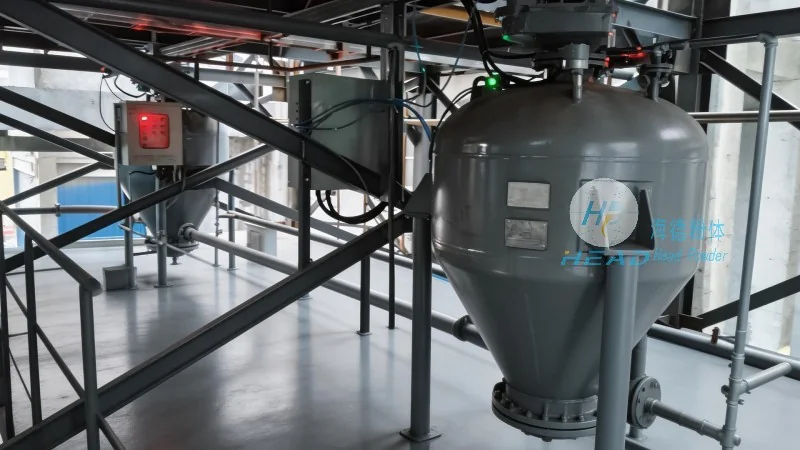
Barium sulfate is a fine powder with a high density and low moisture content, making it challenging to handle through traditional methods like belt conveyors or bucket elevators. Pneumatic conveying systems utilize air or gas to transport the material, offering advantages such as reduced dust generation, improved safety, and the ability to handle abrasive or sensitive powders. The system typically consists of a hopper, a conveyor line, and a receiver, all connected by a network of pipes and valves. The primary goal is to move the barium sulfate from its source to the processing or storage location while maintaining product integrity and operational efficiency.
Shandong HeadPowder Engineering Co., Ltd., a prominent manufacturer based in China, specializes in designing and manufacturing advanced pneumatic conveying systems tailored to the needs of various industries. With a strong commitment to quality and innovation, HeadPowder has established itself as a trusted partner for companies requiring reliable material handling solutions. The company's expertise lies in customizing systems to accommodate different material characteristics, including barium sulfate, ensuring that each installation meets the specific requirements of the client. HeadPowder's facilities are equipped with state-of-the-art technology and skilled professionals who work closely with clients to develop optimal solutions.
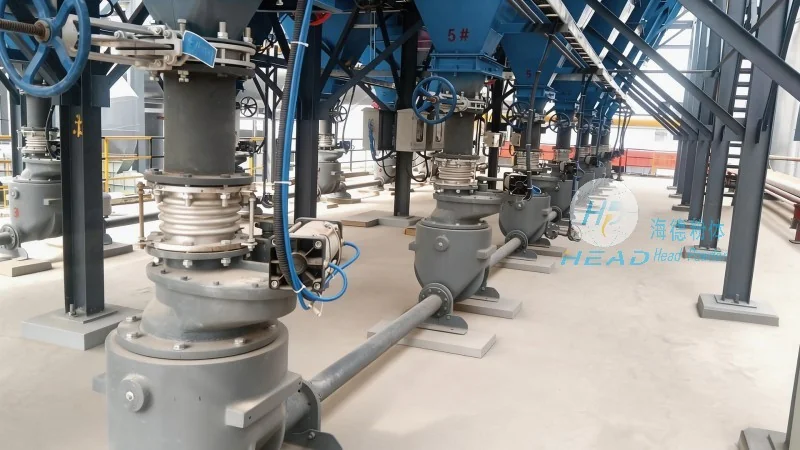
The design of a barium sulfate pneumatic conveying system involves several critical principles aimed at achieving efficient and safe operation. First, the system must be capable of handling the high density and abrasive nature of barium sulfate powder. This often requires the use of high-pressure air or gas to maintain sufficient velocity within the conveying line, preventing material settling or blockages. The selection of appropriate materials for the hopper, pipes, and valves is essential to withstand the corrosive and abrasive properties of the material. Additionally, the system must incorporate proper filtration and cleaning mechanisms to prevent dust accumulation and maintain air quality. The design also considers the distance and elevation changes between the source and destination, as these factors influence the required air pressure and system configuration. By integrating these principles, the system ensures consistent flow rates, minimal downtime, and extended equipment life.
A pneumatic conveying system for barium sulfate typically includes several key components, each playing a vital role in the overall operation. The hopper serves as the storage and feeding unit, where the material is loaded and prepared for transport. It is designed to maintain a consistent flow of powder, often equipped with a rotary valve or feeder to control the discharge rate. The conveyor line, made of durable materials like stainless steel or special alloys, transports the material through the system. The air or gas is introduced at the inlet, creating a flow that carries the powder along the line. The receiver, located at the destination, collects the material and may include a filter or separator to remove any remaining air. Valves and controls are integrated to regulate the flow, pressure, and direction of the material and air, ensuring smooth operation and preventing backflow or overpressure.
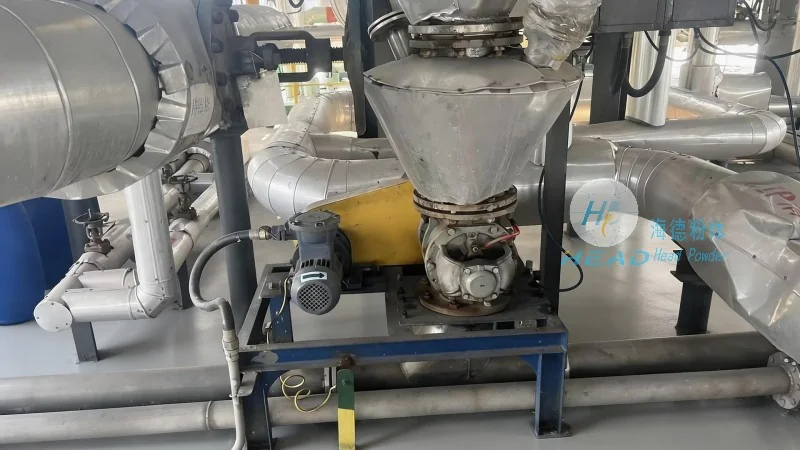
Compared to traditional material handling methods, pneumatic conveying offers several advantages for transporting barium sulfate. One of the most significant benefits is the reduction in dust exposure, which enhances workplace safety and compliance with environmental regulations. The enclosed system also prevents material contamination from external sources, maintaining product purity. Additionally, pneumatic conveying allows for flexible system layouts, enabling the integration of multiple processing stages or the connection of different facilities. The system's ability to handle abrasive materials without significant wear and tear on components contributes to lower maintenance costs and longer operational life. Furthermore, the technology supports high-volume and continuous operation, making it suitable for large-scale industrial applications.
In conclusion, a barium sulfate pneumatic conveying system is a sophisticated and efficient solution for transporting this critical industrial material. The design principles, including material selection, air pressure management, and system integration, are crucial for ensuring optimal performance and safety. Companies like Shandong HeadPowder Engineering Co., Ltd. play a vital role in providing customized solutions that meet the specific needs of their clients. As industrial demands evolve, advancements in pneumatic conveying technology, such as improved filtration systems and energy-efficient designs, will continue to enhance the effectiveness and sustainability of these systems. The continued development and application of such systems will remain essential for the efficient handling of barium sulfate and other fine powders in various industries.

 Shandong Headpowder Engineering Co., Ltd.
 156-6277-7102(Manager Zhang)
  0531-83386006
  Zhangqiu District, Jinan City, Shandong Province, China
telephone
WeChatconsult
top