With more than 10‑year industry experience, Shandong Headpowder delivers full‑service pneumatic‑conveying systems and blowers, undertaking nationwide turn‑key powder‑handling projects.
Plastic pneumatic conveying systems are essential equipment used in various industries to transport bulk materials through an enclosed pipeline using air or other gases as the conveying medium. These systems offer a flexible and efficient method for moving powders, granules, and other particulate materials from one location to another without the need for mechanical components like belts or buckets. The technology has been widely adopted due to its ability to handle a wide range of materials, including those that are dusty, abrasive, or sensitive to moisture.
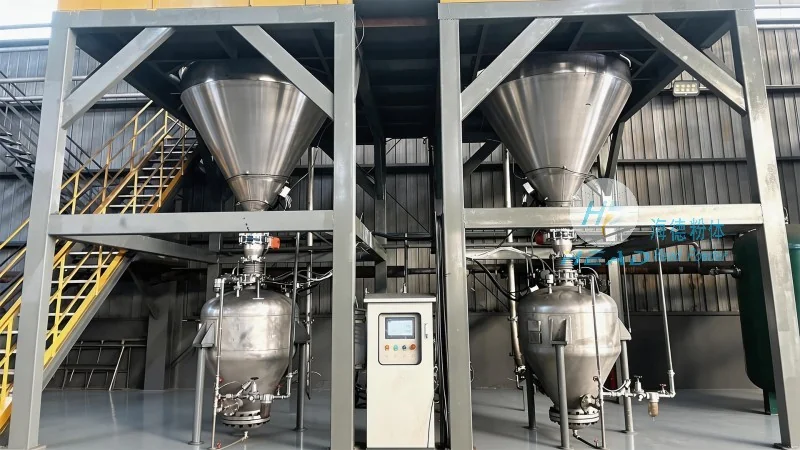
A typical plastic pneumatic conveying system consists of several key components that work together to ensure efficient material transport. The main components include a hopper or feeder to supply the material, a blower or compressor to generate the air flow, a pipeline system to carry the material and air, and a receiver or discharge point to collect the conveyed material. Additionally, the system may include accessories such as filters, cyclones, and control valves to manage the air flow and material separation. The use of plastic materials for these components provides durability, corrosion resistance, and lightweight properties, making them suitable for handling various industrial applications.
The design of a plastic pneumatic conveying system involves several critical principles and considerations to ensure optimal performance and efficiency. One of the primary design principles is the selection of the appropriate conveying method, which can be classified into two main types: dilute phase and dense phase. Dilute phase systems use low air velocity to transport material in a suspended state, while dense phase systems use higher air velocity and pressure to push material in a plug flow. The choice between these methods depends on the material characteristics, such as particle size, density, and flowability, as well as the required conveying distance and throughput. Another important consideration is the air-to-material ratio, which determines the efficiency of the system. A higher air-to-material ratio can increase the conveying capacity but may also lead to higher energy consumption and increased air volume requirements. Engineers must carefully balance these factors to achieve the best performance.
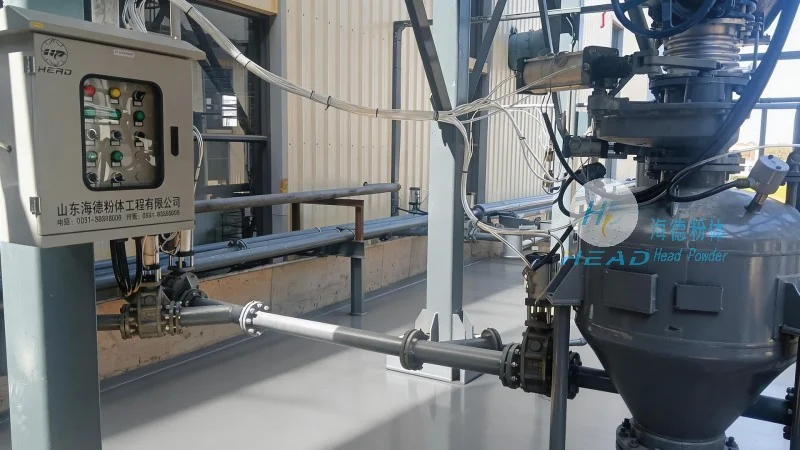
Plastic pneumatic conveying systems offer several advantages over traditional mechanical conveying methods. One of the main advantages is the ability to handle a wide range of materials, including those that are difficult to transport using conventional methods. The enclosed pipeline system prevents dust and material contamination, making it suitable for applications where cleanliness is critical, such as food processing, pharmaceuticals, and chemical industries. Additionally, the system is relatively simple to install and maintain, with fewer moving parts compared to mechanical systems, reducing the risk of breakdowns and maintenance costs. The flexibility of the system allows for easy integration with existing production lines and the ability to change the conveying route without major modifications. The use of plastic materials also provides resistance to corrosion and chemical exposure, extending the lifespan of the equipment and reducing replacement costs.
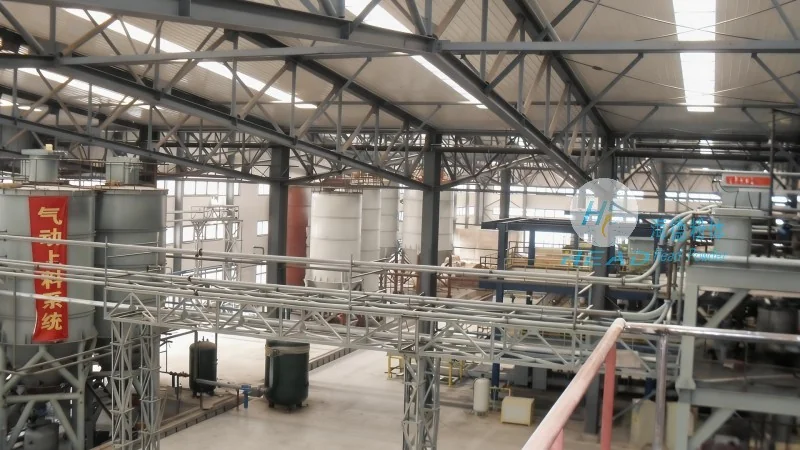
Plastic pneumatic conveying systems are widely used in various industries due to their versatility and efficiency. In the food and beverage industry, these systems are used to transport powders like flour, sugar, and spices, ensuring hygienic and dust-free handling. In the pharmaceutical industry, they are used to convey active pharmaceutical ingredients (APIs) and other sensitive materials, maintaining product purity and preventing contamination. The chemical industry uses plastic pneumatic conveying systems to transport powders and granules, such as pigments, polymers, and catalysts, while the agricultural industry uses them to handle bulk materials like seeds and fertilizers. The mining and minerals industry also benefits from these systems for transporting ore and other bulk materials from processing plants to storage facilities. The versatility of plastic pneumatic conveying systems makes them suitable for a wide range of applications across different industries.
Plastic pneumatic conveying systems are an efficient and flexible solution for transporting bulk materials in various industrial applications. The design principles and components of these systems are carefully engineered to ensure optimal performance, durability, and reliability. The use of plastic materials provides advantages such as corrosion resistance, lightweight properties, and easy maintenance, making them a preferred choice for many industries. As technology advances, plastic pneumatic conveying systems continue to evolve, offering improved efficiency and adaptability to meet the growing demands of industrial applications. For companies seeking reliable and efficient material handling solutions, plastic pneumatic conveying systems from Shandong HeadPowder Engineering Co., Ltd. provide a trusted and effective option.

 Shandong Headpowder Engineering Co., Ltd.
 156-6277-7102(Manager Zhang)
  0531-83386006
  Zhangqiu District, Jinan City, Shandong Province, China
telephone
WeChatconsult
top