With more than 10‑year industry experience, Shandong Headpowder delivers full‑service pneumatic‑conveying systems and blowers, undertaking nationwide turn‑key powder‑handling projects.
Understanding the ton bag pneumatic conveying equipment and its design principles is crucial for industries that rely on efficient material handling solutions. This equipment, often used in bulk material transport, plays a vital role in enhancing operational efficiency and safety. In this article, we will explore the fundamental aspects of ton bag pneumatic conveying systems, focusing on their design principles and practical applications.
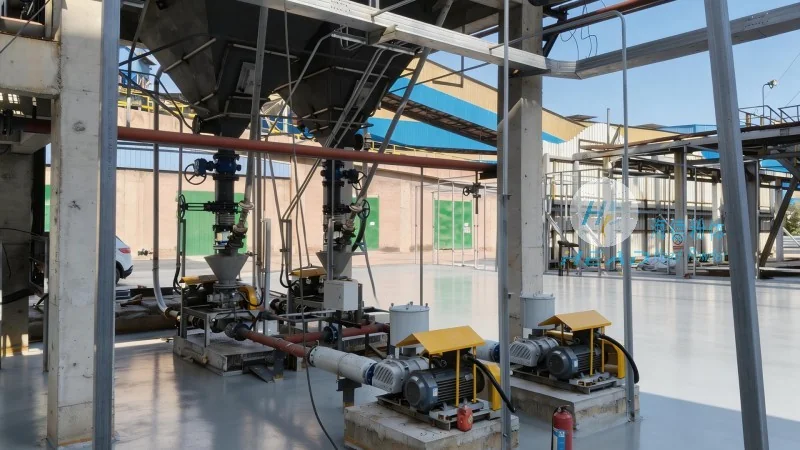
A ton bag pneumatic conveying system is a type of equipment designed to transport bulk materials from one location to another using air pressure. The term "ton bag" refers to the large, flexible containers used to hold the material, typically with a capacity of one ton or more. These systems are widely used in various industries, including chemical, food processing, and mining, due to their ability to handle a wide range of materials, from powders to granules. The core of this equipment is the pneumatic conveying mechanism, which utilizes air to move the material through a pipeline network.
The design of a ton bag pneumatic conveying system involves several key principles that ensure optimal performance and reliability. The primary design principle is the selection of appropriate air flow rates and pressure levels to achieve efficient material transport. Engineers must consider factors such as the material's density, flowability, and moisture content when determining the optimal air velocity and pressure. Additionally, the system's design must account for the material's particle size distribution and any potential for agglomeration or caking, which can affect the conveying process.
Another critical design principle is the configuration of the conveying line, including the number and placement of components such as the hopper, feeder, and receiver. The hopper is responsible for storing the material and providing a consistent feed to the system, while the feeder controls the flow rate to maintain a stable conveying condition. The receiver, on the other hand, collects the material at the destination and may include features like a dust collection system to ensure environmental compliance. The design must also consider the system's scalability, allowing for future expansion or integration with other processing equipment.
Several key components make up a ton bag pneumatic conveying system, each with a specific function that contributes to the overall efficiency of the equipment. The primary components include the ton bag itself, which serves as the material container; the hopper, which holds the material and feeds it to the system; the feeder, which controls the material flow rate; the air compressor, which provides the necessary air pressure; and the conveying line, which transports the material from the source to the destination. Each component must be carefully selected and designed to ensure compatibility with the material being conveyed and to meet the operational requirements of the system.
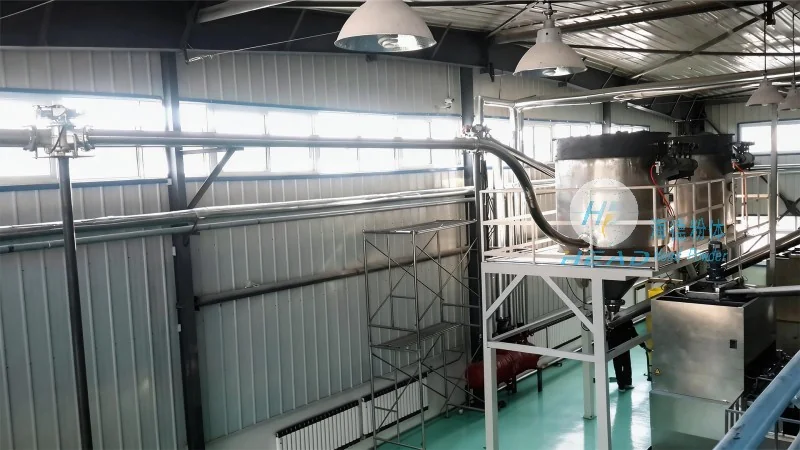
The ton bag is typically made of durable, flexible materials such as polyethylene or polyester, designed to withstand the weight and pressure of the material and the handling process. The hopper is often equipped with a discharge valve or gate to control the material flow, and may include features like a level indicator to monitor the material level. The feeder, which can be a rotary valve or a screw feeder, regulates the material flow to maintain a consistent conveying condition, preventing issues such as surging or blockages. The air compressor provides the necessary pressure to move the material through the pipeline, and its capacity must be matched to the system's requirements to avoid under or over-pressurization.
There are several advantages to using ton bag pneumatic conveying equipment in industrial applications. One of the main advantages is the ability to transport materials over long distances without the need for intermediate storage or handling. This reduces the risk of material contamination and improves overall operational efficiency. Additionally, the system is relatively compact and can be installed in a variety of locations, making it suitable for both new and existing facilities. The equipment also offers a high degree of flexibility, allowing for easy integration with other processing equipment and the ability to handle a wide range of materials.
Another advantage is the reduced risk of material spillage and dust exposure compared to traditional conveying methods such as belt conveyors or bucket elevators. The enclosed system helps to contain dust and prevent environmental contamination, which is particularly important for materials that are hazardous or have strict environmental regulations. Furthermore, the system can be designed to operate in a closed loop, minimizing the need for external air intake and reducing energy consumption.
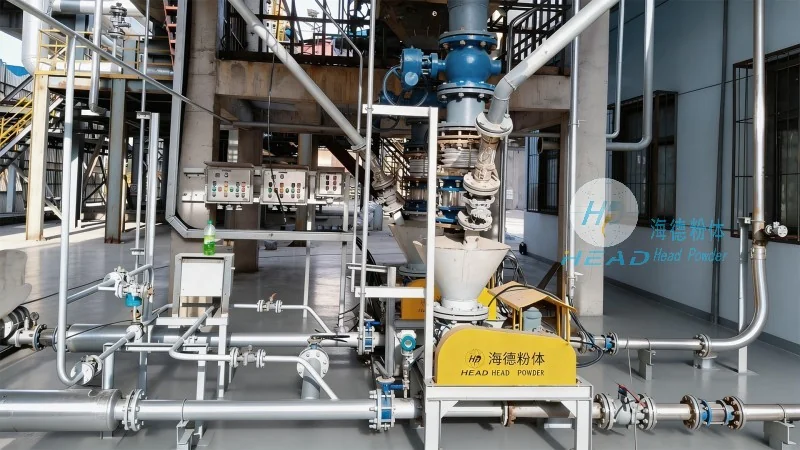
When designing and installing a ton bag pneumatic conveying system, several factors must be considered to ensure optimal performance and longevity. The first consideration is the material being conveyed, as different materials have different properties that affect the system's design. For example, materials with high moisture content may require additional drying or conditioning before being conveyed, while abrasive materials may need special wear-resistant components to prevent damage to the system.
Another important consideration is the system's capacity and throughput requirements. The design must be able to handle the expected material flow rate and volume, ensuring that the equipment can meet the operational demands of the facility. Additionally, the system's layout and placement must be carefully planned to minimize the length of the conveying line and reduce energy consumption. This includes considering the vertical and horizontal distances between the source and destination, as well as any obstacles or restrictions in the area.
Finally, the system must be installed and maintained according to the manufacturer's specifications to ensure optimal performance and safety. Regular maintenance, such as cleaning the conveying line and replacing worn components, is essential to prevent issues such as blockages or reduced efficiency. The system should also be equipped with safety features, such as pressure relief valves and dust collection systems, to ensure compliance with environmental and safety regulations.
Ton bag pneumatic conveying equipment is a versatile and efficient solution for bulk material transport in various industries. By understanding the design principles and key components of these systems, industries can select and implement equipment that meets their specific operational requirements. The advantages of these systems, including their ability to handle a wide range of materials, reduce material spillage, and improve operational efficiency, make them a popular choice for many applications. With proper design, installation, and maintenance, ton bag pneumatic conveying systems can provide reliable and cost-effective material handling solutions for years to come.

 Shandong Headpowder Engineering Co., Ltd.
 156-6277-7102(Manager Zhang)
  0531-83386006
  Zhangqiu District, Jinan City, Shandong Province, China
telephone
WeChatconsult
top