With more than 10‑year industry experience, Shandong Headpowder delivers full‑service pneumatic‑conveying systems and blowers, undertaking nationwide turn‑key powder‑handling projects.
Lead powder is a critical material in various industrial applications, and the efficient handling of this material is essential for maintaining production efficiency and safety. Pneumatic conveying systems have emerged as a preferred method for transporting lead powder due to their ability to handle fine powders without the need for mechanical components that might cause contamination or wear. This article explores the lead powder pneumatic conveying equipment, its design principles, and the key considerations for its effective implementation.
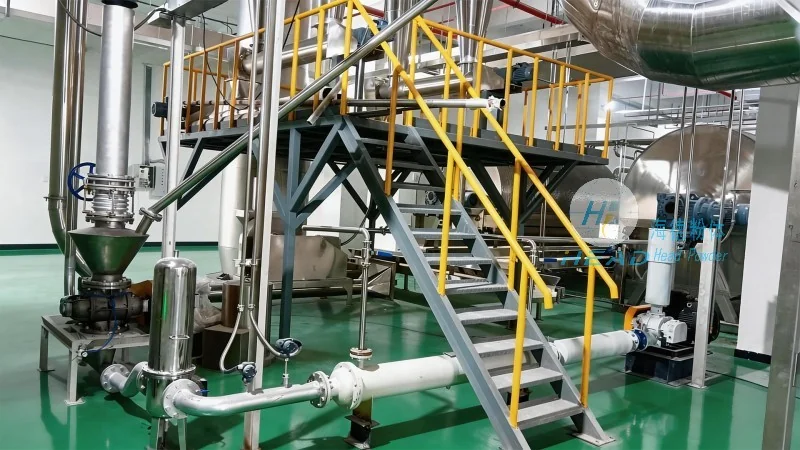
Shandong HeadPowder Engineering Co., Ltd. is a leading manufacturer specializing in the design and production of pneumatic conveying systems tailored for lead powder and other hazardous or sensitive materials. With a focus on precision engineering and safety compliance, the company has established itself as a trusted partner in the industry, providing customized solutions that meet the unique requirements of various industrial sectors. HeadPowder, as the company is commonly known, is headquartered in Shandong, China, and has a strong reputation for delivering high-quality, reliable equipment that enhances operational efficiency and ensures workplace safety.
The lead powder pneumatic conveying system typically consists of several core components that work in tandem to ensure efficient material transport. These include the hopper or feed hopper, which stores the lead powder and feeds it into the system; the air compressor or blower, which generates the necessary air pressure to move the powder; the conveying line, which is usually made of flexible or rigid tubing to transport the powder; and the receiver or discharge hopper, where the lead powder is deposited at the destination. Each component is designed to handle the specific characteristics of lead powder, such as its density, particle size, and potential for dust generation. The hopper is often equipped with a feeder mechanism, like a rotary valve or a screw feeder, to control the flow of lead powder into the conveying line. The air compressor provides the required pressure, typically ranging from 0.5 to 2 bar, depending on the conveying distance and material properties. The conveying line is made of materials like stainless steel or polyethylene to prevent corrosion and ensure durability. The receiver is designed to collect the lead powder and may include a dust collection system to capture any particles that escape during the process.
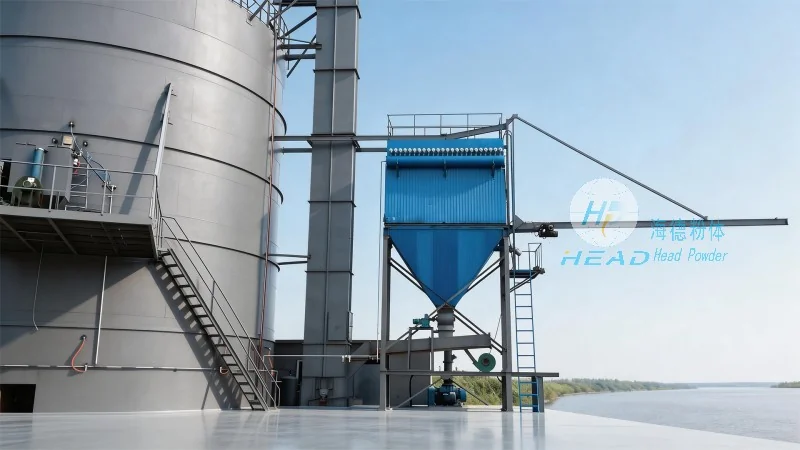
The design of a lead powder pneumatic conveying system follows several fundamental principles to ensure optimal performance and safety. One of the primary principles is the selection of appropriate air velocity, which must be high enough to prevent the powder from settling in the conveying line but low enough to avoid excessive wear and energy consumption. The air velocity is typically calculated based on the particle size and density of the lead powder, with values ranging from 20 to 30 meters per second for fine powders. Another key principle is the use of a closed-loop system, which minimizes dust emissions and improves environmental compliance. The system incorporates features like pulse-jet cleaning or rotary valves to control the flow of lead powder, ensuring consistent and controlled delivery. Additionally, the equipment is designed with explosion-proof and dust-proof features to comply with safety regulations, as lead powder can be a fire hazard in certain conditions. The design also considers the potential for material agglomeration, which can cause blockages in the conveying line. To prevent this, the system may include agitators or vibrators in the hopper to keep the lead powder in a free-flowing state.
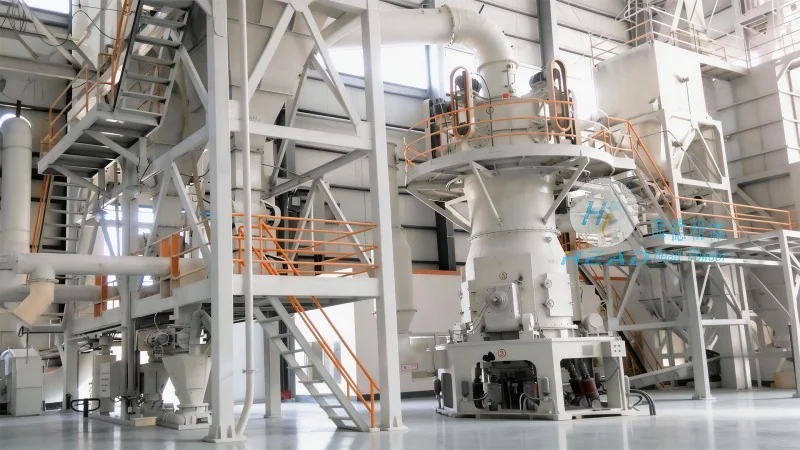
Implementing a lead powder pneumatic conveying system offers several advantages over traditional mechanical conveying methods. Firstly, it eliminates the need for moving parts that come into direct contact with the powder, reducing the risk of contamination and equipment wear. This is particularly important for lead powder, which can be toxic and requires strict handling protocols. Secondly, the system provides a closed-loop operation, minimizing dust emissions and improving workplace safety. The enclosed design prevents lead dust from spreading into the environment, reducing the risk of respiratory issues for workers. Thirdly, the system allows for flexible and scalable solutions, as the conveying line can be adjusted or extended to accommodate changes in production volume or layout. This flexibility is crucial for industries that experience fluctuations in demand or are expanding their operations. Finally, the system is energy-efficient, as it uses compressed air to transport the powder, which can be more cost-effective in the long run compared to mechanical systems that rely on motors and gears. The energy consumption is typically lower, and the maintenance costs are reduced due to fewer moving parts.
Lead powder pneumatic conveying equipment is widely used in industries such as battery manufacturing, where lead powder is a key raw material for lead-acid batteries. The equipment is also used in recycling facilities, where lead powder is recovered from scrap batteries. In battery manufacturing, the system transports lead powder from storage to the production line, where it is mixed with other components to form the battery plates. In recycling facilities, the system collects lead powder from the crushing and grinding processes and transports it to the smelting or reprocessing units. When selecting a lead powder pneumatic conveying system, it is essential to consider factors such as the particle size distribution of the lead powder, the required conveying distance, and the ambient conditions. The system must be designed to handle the specific properties of lead powder, such as its density and potential for agglomeration, to ensure reliable operation. For example, if the lead powder has a high moisture content, the system may need to include a drying unit to prevent caking. Additionally, the system must comply with local regulations regarding the handling of hazardous materials, such as lead, which may require additional safety features like explosion-proof motors and dust collection systems.

 Shandong Headpowder Engineering Co., Ltd.
 156-6277-7102(Manager Zhang)
  0531-83386006
  Zhangqiu District, Jinan City, Shandong Province, China
telephone
WeChatconsult
top