With more than 10‑year industry experience, Shandong Headpowder delivers full‑service pneumatic‑conveying systems and blowers, undertaking nationwide turn‑key powder‑handling projects.
HeadPowder, a leading engineering company based in Shandong, China, specializes in the design and implementation of advanced pneumatic conveying systems tailored for rubber powder materials. This article explores the fundamental principles behind these systems and highlights key working scene characteristics that define their effectiveness in industrial applications.
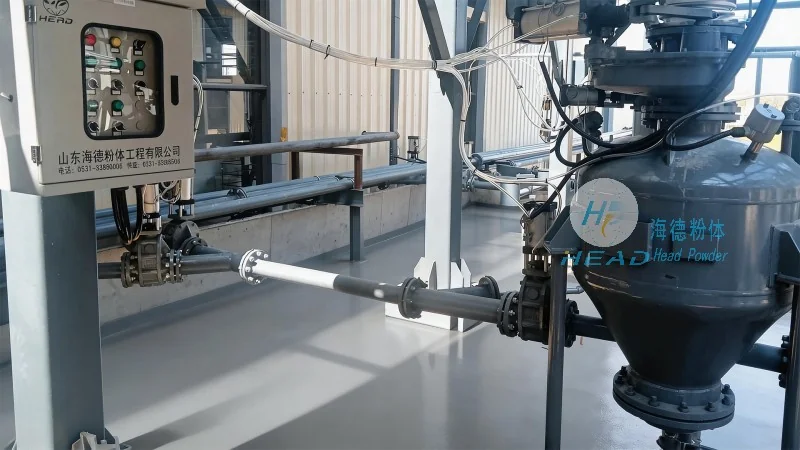
Pneumatic conveying systems utilize air or gas as the primary medium to transport bulk materials like rubber powder from one location to another. The process typically involves a combination of positive and negative pressure zones to move the material through a pipeline network. In a positive pressure system, air is forced through the material, creating a stream that carries the powder. Conversely, negative pressure systems draw air and material through the line using a vacuum. For rubber powder, which can be abrasive and prone to agglomeration, the choice of system design—such as dilute phase or dense phase—plays a critical role in ensuring efficient and reliable transport. The principle revolves around maintaining consistent air velocity and pressure to prevent material blockages and ensure smooth flow. HeadPowder’s expertise lies in optimizing these parameters to suit the specific characteristics of rubber powder, such as particle size, moisture content, and bulk density.
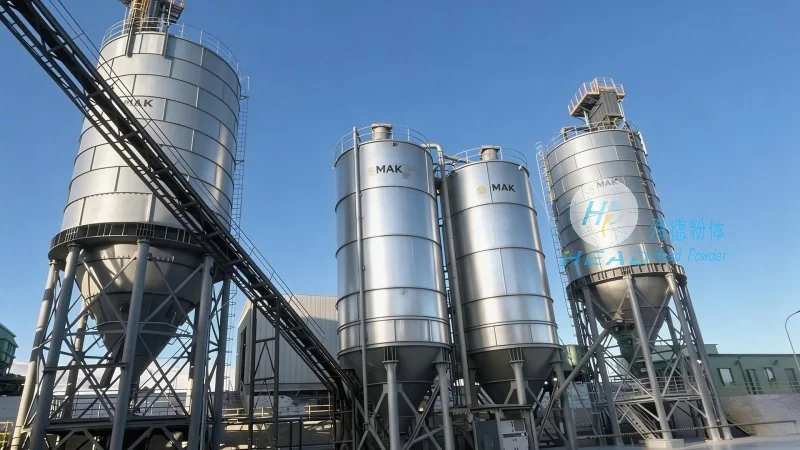
The effectiveness of rubber powder pneumatic conveying lines is heavily influenced by several working scene characteristics that vary across industrial settings. One primary factor is the distance and layout of the conveying route. Longer or complex layouts may require multiple booster units or changes in system pressure to maintain material transport efficiency. The environment where the system operates also matters; for example, in manufacturing plants with high ambient temperatures or dust levels, the system must be designed with appropriate filtration and safety measures to prevent contamination and ensure worker safety. Another critical characteristic is the material handling capacity, which depends on the system’s air flow rate and pipeline diameter. HeadPowder’s engineers assess these factors to design systems that can handle varying throughput requirements, from small-scale operations to large-scale industrial production. Additionally, the integration of the conveying line with other processing equipment, such as mixing or compounding machines, is a key working scene consideration. Seamless integration ensures that the rubber powder is delivered to the next stage of production without interruption, enhancing overall operational efficiency.
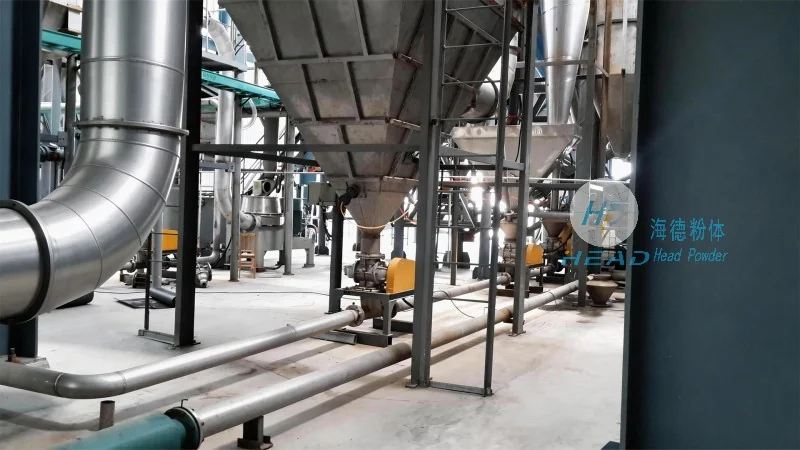
Rubber powder pneumatic conveying systems find widespread application in various industries where rubber powder is a key raw material. In the tire manufacturing sector, these systems are used to transport crumb rubber from storage silos to mixing plants, ensuring a consistent supply of material for compound production. The automotive industry also relies on such systems for transporting rubber powder used in the production of seals, gaskets, and other components. Additionally, in the rubber products manufacturing industry, these systems are employed to convey rubber powder to compounding lines, where it is mixed with other chemicals to create final products like rubber sheets or molded parts. The versatility of pneumatic conveying systems makes them suitable for both new installations and retrofits in existing facilities, allowing companies to upgrade their material handling capabilities without major structural changes.
HeadPowder’s pneumatic conveying systems for rubber powder offer several technical advantages that contribute to their superior performance. One key advantage is the ability to handle abrasive materials without causing excessive wear to the system components. The use of high-quality materials, such as stainless steel or specialized coatings, ensures long-term durability. Another advantage is the system’s low maintenance requirements, as pneumatic conveying minimizes the need for mechanical parts like belts or chains that are prone to failure in traditional conveying systems. Performance metrics, such as material transport efficiency and system reliability, are critical in evaluating the effectiveness of these systems. HeadPowder’s systems typically achieve high transport efficiencies, often exceeding 95% in optimal conditions, and have a low downtime rate due to their robust design. Furthermore, the systems are designed to be energy-efficient, reducing operational costs for the end-user. These technical advantages make HeadPowder’s pneumatic conveying solutions a preferred choice for industries dealing with rubber powder.
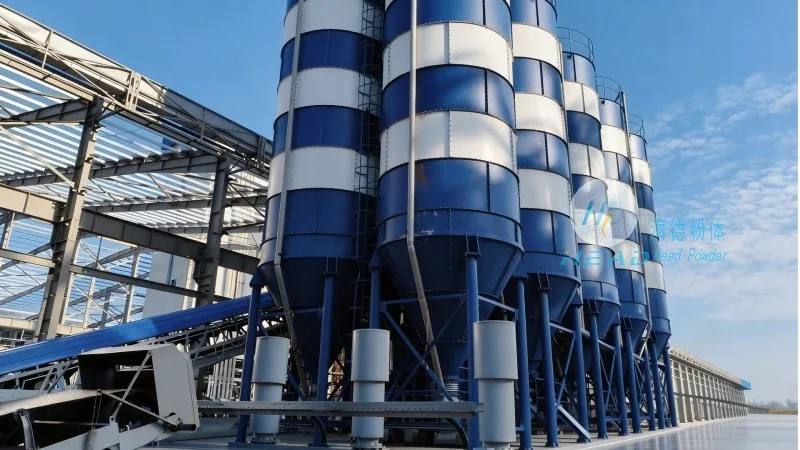
In conclusion, pneumatic conveying systems for rubber powder materials are essential for efficient and reliable material handling in industrial applications. The principles behind these systems, combined with tailored working scene characteristics, ensure that rubber powder is transported safely and effectively. HeadPowder, with its headquarters in Shandong, China, has established itself as a leading provider of such systems, leveraging its expertise to design solutions that meet the specific needs of its clients. By focusing on technical excellence and customer satisfaction, HeadPowder continues to deliver high-performance pneumatic conveying systems that enhance operational efficiency and reduce costs for its clients in the rubber and related industries.

 Shandong Headpowder Engineering Co., Ltd.
 156-6277-7102(Manager Zhang)
  0531-83386006
  Zhangqiu District, Jinan City, Shandong Province, China
telephone
WeChatconsult
top