

What is an Eco-friendly Material Pneumatic Conveying System? And What Are Its Design Principles?
Understanding eco-friendly material pneumatic conveying systems is crucial for industries seeking sustainable and efficient material handling solutions. These systems represent a modern approach to transporting bulk materials, emphasizing environmental responsibility while maintaining operational efficiency. The core concept involves using air as the primary medium to move powders, granules, or other particulate materials through a sealed pipeline network. This method offers significant advantages over traditional mechanical conveying methods, such as reduced energy consumption, lower maintenance requirements, and minimized material contamination.
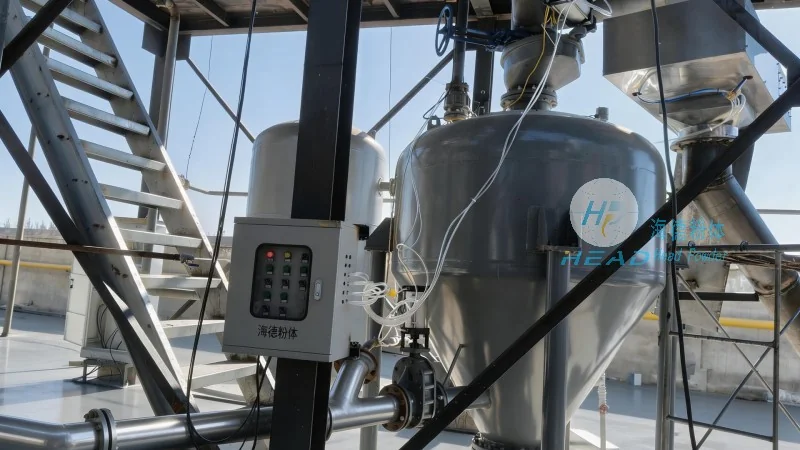
Introduction to Eco-friendly Material Pneumatic Conveying Systems
Eco-friendly material pneumatic conveying systems are designed to handle various bulk materials, including powders, granules, and fine particles, with minimal environmental impact. Unlike conventional systems that rely on mechanical components like belts or buckets, pneumatic systems utilize air pressure to transport materials. This approach not only reduces the need for moving parts but also minimizes the risk of material degradation or contamination. The technology has evolved significantly over the years, with advancements in air filtration, energy recovery, and material handling efficiency, making it an increasingly popular choice in industries such as pharmaceuticals, food processing, and chemical manufacturing.
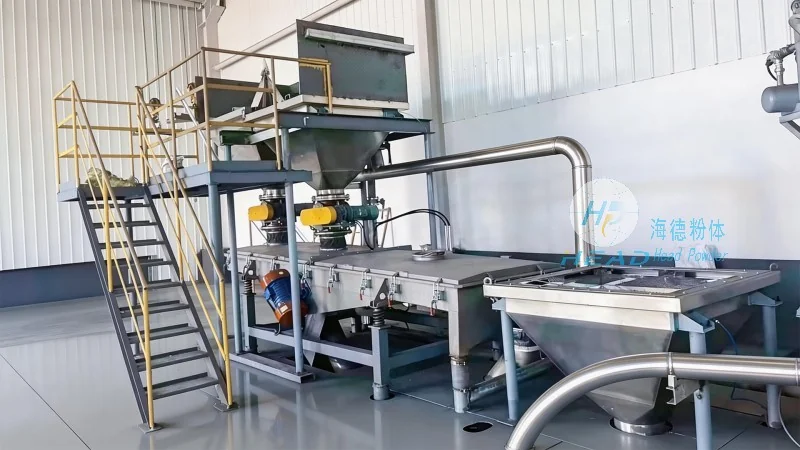
Key Components of an Eco-friendly Pneumatic Conveying System
At the heart of an eco-friendly material pneumatic conveying system are several critical components that work in tandem to ensure efficient and sustainable operation. The primary components include the material feed hopper, which stores and feeds the bulk material into the system; the air compressor, which generates the necessary air pressure to move the material; the conveying line, typically made of stainless steel or other corrosion-resistant materials to maintain hygiene and durability; and the air filtration system, which captures and recycles the air, reducing waste and improving overall efficiency. Additionally, many modern systems incorporate energy recovery units that capture and reuse the kinetic energy of the air, further enhancing their eco-friendly attributes.
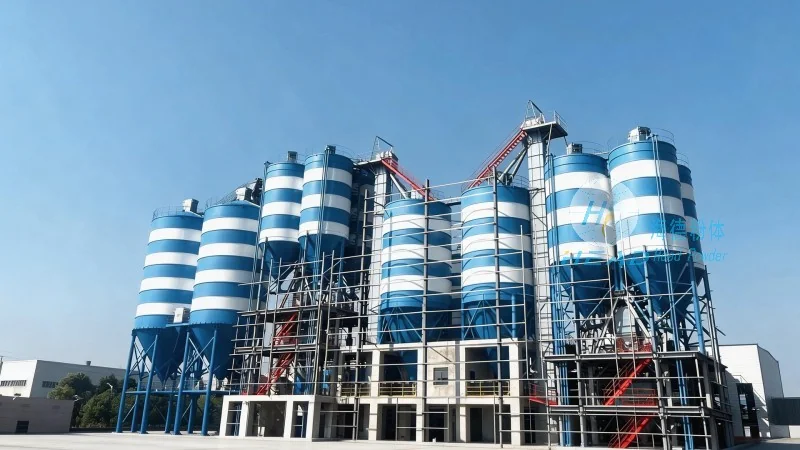
Design Principles for Efficient and Sustainable Conveying
The design principles of eco-friendly material pneumatic conveying systems focus on optimizing performance while minimizing environmental impact. One key principle is the use of low-pressure or vacuum systems, which consume less energy compared to high-pressure systems. This approach reduces electricity usage and lowers operational costs. Another important principle is the implementation of closed-loop systems, where the air used for conveying is filtered and recycled, preventing air pollution and reducing the need for fresh air intake. The design also considers material compatibility, ensuring that the conveying line and components are suitable for the specific materials being handled, preventing contamination and extending the system's lifespan. Furthermore, the integration of sensors and control systems allows for real-time monitoring of system performance, enabling operators to adjust parameters for optimal efficiency and reduced energy consumption.
Applications and Benefits in Various Industries
Eco-friendly material pneumatic conveying systems find applications across a wide range of industries, each benefiting from the system's efficiency and sustainability. In the pharmaceutical industry, these systems are used to transport active pharmaceutical ingredients (APIs) and other sensitive materials, ensuring strict contamination control and maintaining product integrity. The food processing industry utilizes them for handling powders like flour, sugar, and spices, where hygiene and product quality are paramount. In the chemical manufacturing sector, the systems handle various chemicals, including powders and granules, while adhering to environmental regulations and safety standards. The benefits of these systems extend beyond environmental considerations; they also offer operational advantages such as reduced downtime, lower maintenance costs, and increased flexibility in material handling processes.
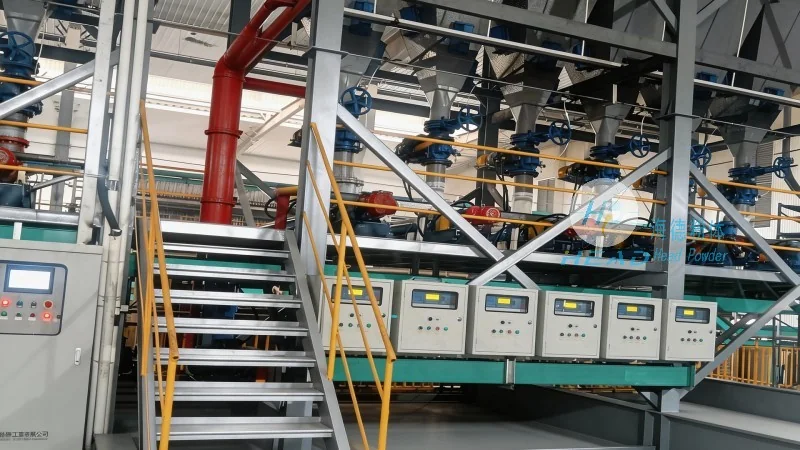
About Shandong HeadPowder Engineering Co., Ltd.
Shandong HeadPowder Engineering Co., Ltd., commonly known as HeadPowder, is a leading manufacturer and supplier of eco-friendly material pneumatic conveying systems. With a strong commitment to innovation and sustainability, the company specializes in designing and manufacturing customized solutions tailored to the unique needs of its clients. HeadPowder's products are engineered to meet the highest standards of efficiency, reliability, and environmental responsibility, ensuring that they contribute to the long-term success of their clients' operations. The company's headquarters is located in Shandong, China, where it leverages advanced technology and skilled expertise to deliver top-tier material handling solutions. By focusing on eco-friendly design principles, HeadPowder aims to help industries achieve their sustainability goals while maintaining optimal performance in material transportation.