

Phosphate Fertilizer Powder Pneumatic Conveying Equipment: What Are Its Design Principles?
Phosphate fertilizer is a critical nutrient source in modern agriculture, supporting plant growth and crop yields. The efficient and safe transportation of phosphate fertilizer powder from production facilities to storage or application sites is essential for maintaining production efficiency and ensuring product quality. Phosphate fertilizer powder pneumatic conveying equipment addresses these needs by enabling the reliable, low-cost movement of bulk phosphate fertilizer powder through an air-driven system, replacing traditional manual or mechanical handling methods that are often inefficient and hazardous.
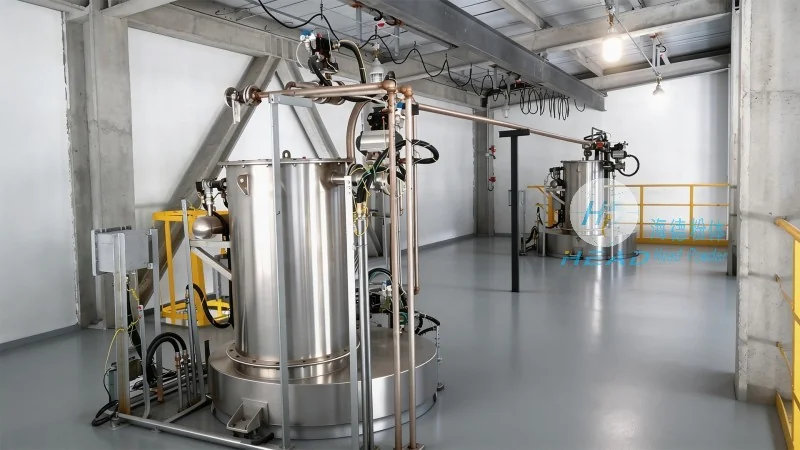
Key Components and Operational Functionality
Phosphate fertilizer powder pneumatic conveying equipment comprises several critical components that work together to achieve effective material transport. The primary components include a material feeding system, a conveying pipeline, a pneumatic transport unit (such as a blower or compressor), and a separation or collection system. The feeding system introduces phosphate fertilizer powder into the pipeline in a controlled manner, preventing blockages and maintaining consistent flow rates. The conveying pipeline, typically constructed from durable materials like stainless steel or specialized plastics, transports the powder through the system under pressure. The pneumatic transport unit generates the necessary air flow to move the powder particles, utilizing either positive pressure (pressure conveying) or negative pressure (vacuum conveying) based on application requirements. The separation system, such as cyclones or filters, separates the powder from the air stream, allowing the powder to be collected at the destination while the air is either recirculated or discharged. This integrated design ensures efficient material handling with minimal loss or contamination.
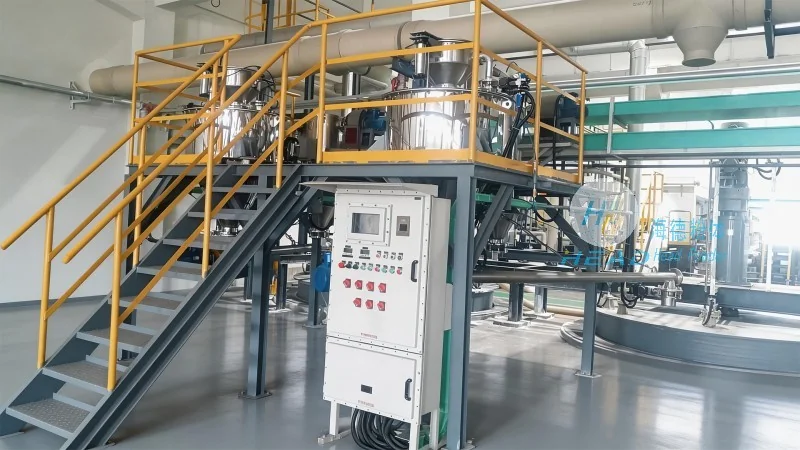
Design Principles Underpinning Pneumatic Conveying Systems
The design principles of phosphate fertilizer powder pneumatic conveying equipment focus on optimizing material flow, minimizing wear and tear, and ensuring operational safety. A fundamental principle is the selection of appropriate air velocity and pressure to maintain the powder in a suspended state within the pipeline. This requires careful consideration of the powder's physical properties, including particle size, density, and moisture content, as these factors directly impact the required air flow rate. For instance, finer phosphate powder particles may necessitate higher air velocities to prevent settling or clogging in the pipeline. Another critical design principle is the prevention of material degradation or contamination during transport. This is achieved through the use of corrosion-resistant materials for the pipeline and components, as well as the implementation of filtration systems to remove dust and moisture from the air stream. Additionally, the equipment is designed to handle variations in powder flow rates and pressure, ensuring stable operation even under fluctuating conditions. Modern pneumatic conveying equipment often integrates sensors and control systems to monitor parameters like pressure, flow rate, and particle size in real-time, enabling automated adjustments to maintain optimal performance and prevent system failures.
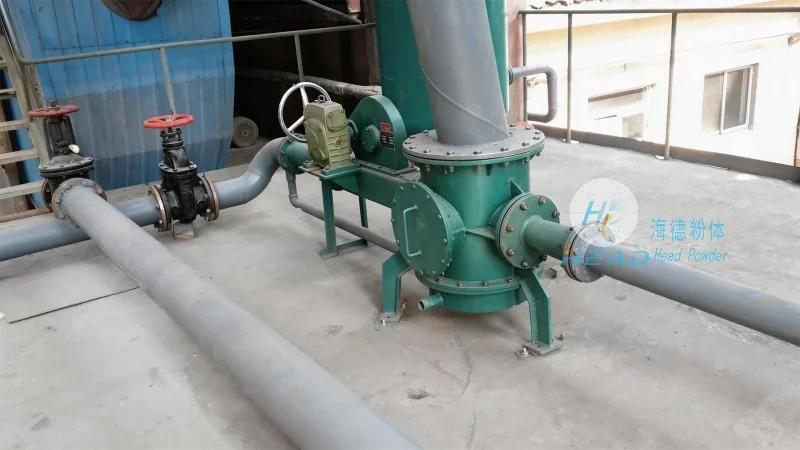
Applications and Benefits in Fertilizer Handling
Phosphate fertilizer powder pneumatic conveying equipment is widely utilized across various stages of the fertilizer production and distribution process. In manufacturing plants, it facilitates the transport of raw phosphate materials from storage silos to processing units, as well as the movement of finished phosphate fertilizer powder from production lines to packaging or storage facilities. During distribution, the equipment enables efficient transfer of bulk phosphate fertilizer from the plant to transport vehicles or storage silos at agricultural sites. The benefits of using pneumatic conveying systems for phosphate fertilizer powder are substantial. Firstly, they significantly reduce labor costs compared to manual handling methods, as the equipment can operate continuously with minimal human intervention. Secondly, pneumatic conveying minimizes product loss and contamination, as the enclosed system prevents exposure to external elements and reduces the risk of spillage. Thirdly, the equipment enhances safety by eliminating the need for workers to handle heavy or dusty materials manually, thereby reducing the risk of respiratory illnesses or physical injuries. Finally, pneumatic conveying systems are highly flexible and can be easily integrated into existing production lines, allowing for scalability and adaptability to changing production demands.