

What is an Automatic Quantitative Material Pneumatic Conveying Line? What Are Its Design Principles?
Automatic quantitative material pneumatic conveying lines are advanced industrial systems designed to transport bulk materials through a network of pipes using compressed air or other gas streams. These systems are widely used in various industries, including pharmaceuticals, food processing, chemicals, and manufacturing, where precise and efficient material handling is critical. The core function of such a line is to deliver materials from a source to a destination with controlled quantity and speed, ensuring consistent quality and process reliability.
About HeadPowder
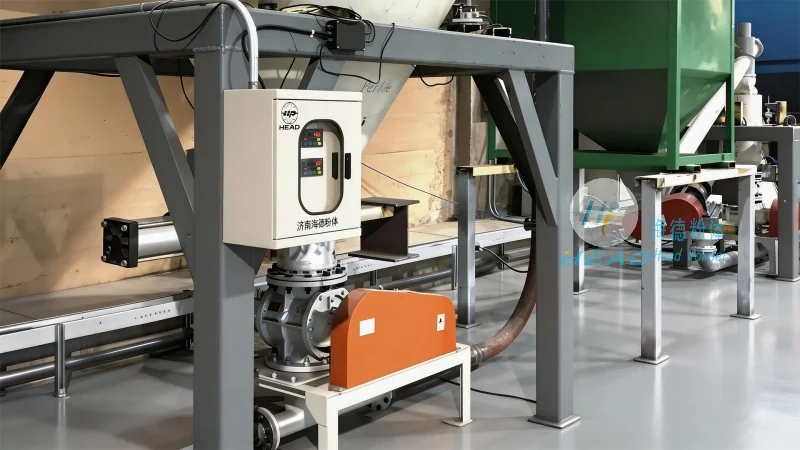
HeadPowder, or Shandong HeadPowder Engineering Co., Ltd., is a leading manufacturer specializing in the design, development, and implementation of pneumatic conveying systems. With a focus on innovation and precision engineering, the company has established itself as a trusted partner for businesses seeking reliable material handling solutions. HeadPowder’s facilities are located in Shandong, China, where the company leverages local expertise and resources to deliver high-quality products and services tailored to client needs.
Design Principles of Pneumatic Conveying Systems
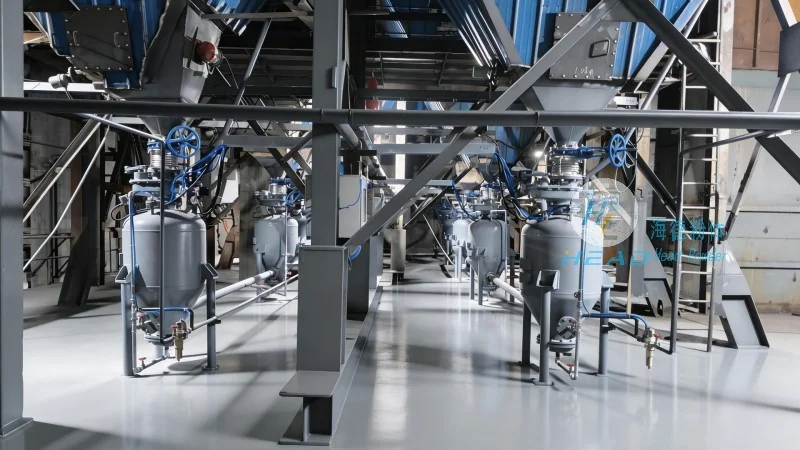
The design of an automatic quantitative material pneumatic conveying line is based on several key principles that ensure optimal performance and efficiency. The primary principle is the use of air or gas as the conveying medium, which propels the material through the pipeline. This method is chosen for its ability to handle a wide range of materials, from fine powders to granules, while minimizing product degradation and contamination. The system typically includes components such as a material feeder, a pressure vessel or hopper, a conveying line, and a discharge unit. Each component is carefully engineered to work in harmony, ensuring that the material is transported in a controlled manner. The quantitative aspect is achieved through specialized feeders, such as rotary valves or screw feeders, which regulate the flow rate of the material into the conveying line. This allows for precise control over the amount of material being transported, which is essential for applications requiring exact dosing or batching.
Key Components and Operational Mechanisms
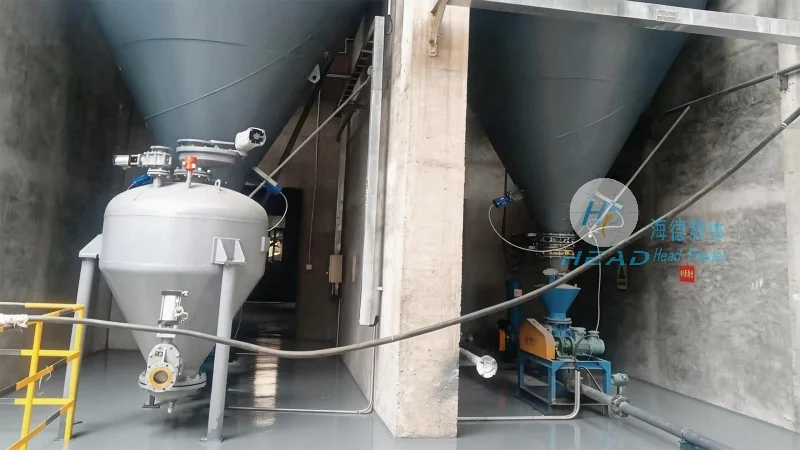
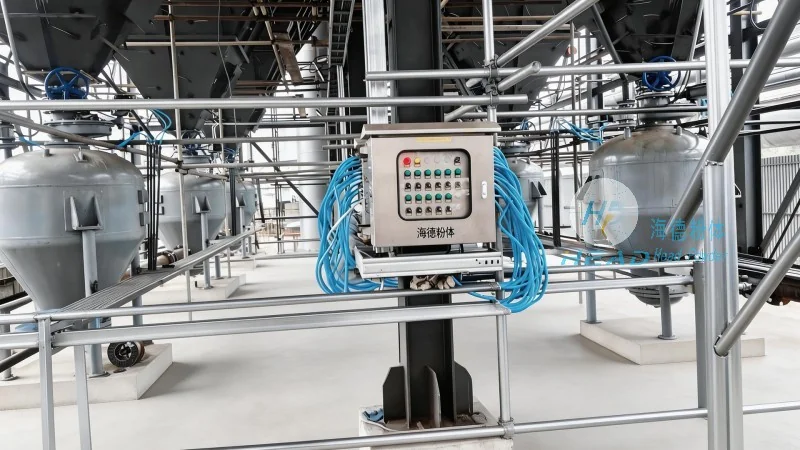
The automatic quantitative material pneumatic conveying line consists of several interconnected components that work together to achieve the desired material handling objectives. The material feeder is the first critical component, responsible for delivering the bulk material into the system. This component is designed to handle various material types, including powders, granules, and even bulk solids, with minimal clogging or blockage. The feeder typically operates under controlled pressure, ensuring a consistent flow rate that matches the conveying requirements. The pressure vessel or hopper serves as a storage and feeding chamber, where the material is held before being introduced into the conveying line. This component is equipped with level sensors and control mechanisms to maintain a stable material level, preventing overfilling or underfilling. The conveying line itself is a network of pipes that transport the material from the source to the destination. The line is usually made of materials such as stainless steel or plastic, depending on the material being conveyed and the environmental conditions. The choice of material for the pipe is crucial to prevent corrosion, wear, or contamination. The discharge unit is the final component, where the material is released from the system. This unit is designed to deliver the material to the target location, such as a silo, storage tank, or processing equipment. The discharge unit may include features like a rotary valve or a gate valve to control the flow of material out of the system. The entire system is controlled by a programmable logic controller (PLC) or a similar control system, which monitors and adjusts the operation of each component in real time. This allows for precise control over the conveying process, ensuring that the material is transported at the desired speed and quantity.
Applications and Advantages of Pneumatic Conveying Lines
Automatic quantitative material pneumatic conveying lines are used in a wide range of applications across various industries. In the pharmaceutical industry, these systems are used to transport active pharmaceutical ingredients (APIs) and excipients with high precision, ensuring that the final product meets strict quality standards. The food processing industry utilizes these systems to handle powders and granules, such as flour, sugar, and spices, with minimal risk of contamination. The chemical industry relies on pneumatic conveying lines to transport chemicals and raw materials, which may be hazardous or sensitive to moisture. The manufacturing industry uses these systems to handle bulk materials, such as plastic pellets, metal powders, and ceramics, in production lines. The advantages of using an automatic quantitative material pneumatic conveying line include improved efficiency, reduced labor costs, and enhanced safety. The system can operate continuously, minimizing downtime and increasing production throughput. The quantitative control feature allows for precise dosing, which is essential for applications that require exact amounts of material, such as batching or mixing. The pneumatic conveying method is also more hygienic and cleaner than traditional methods, such as belt conveyors or bucket elevators, as it eliminates the need for direct contact between the material and the equipment. This reduces the risk of contamination and improves product quality. Additionally, the system is more flexible and can be easily modified to accommodate changes in production requirements or material types.
Conclusion
Automatic quantitative material pneumatic conveying lines are sophisticated industrial systems that combine advanced engineering and precise control to handle bulk materials efficiently and reliably. The design principles and components of these systems are carefully selected to meet the specific needs of each application, ensuring optimal performance and durability. HeadPowder, as a leading manufacturer in this field, provides high-quality pneumatic conveying solutions that are tailored to client requirements. With its focus on innovation and customer satisfaction, HeadPowder continues to be a trusted partner for businesses seeking reliable material handling solutions. The use of automatic quantitative material pneumatic conveying lines not only improves operational efficiency but also enhances product quality and safety, making them an essential component in modern industrial processes.