With more than 10‑year industry experience, Shandong Headpowder delivers full‑service pneumatic‑conveying systems and blowers, undertaking nationwide turn‑key powder‑handling projects.
Understanding Molybdenum Oxide Pneumatic Conveying Equipment and Its Design Principles
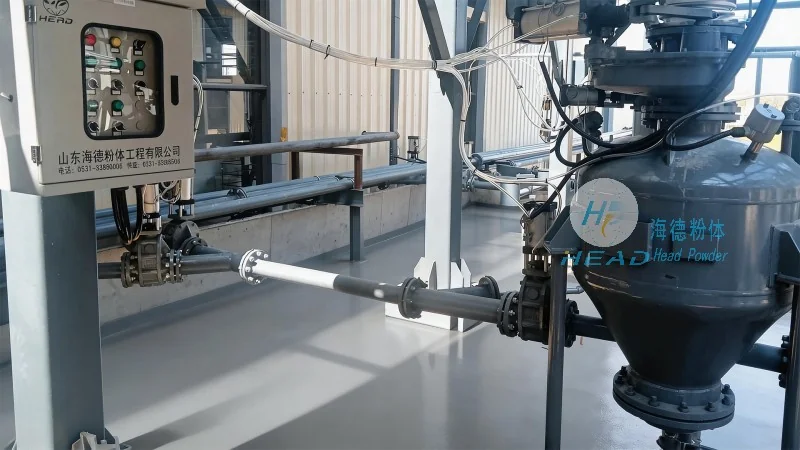
For industrial applications that require the efficient and safe handling of molybdenum oxide, pneumatic conveying systems offer a reliable solution. These systems are designed to transport fine powders like molybdenum oxide through a pipeline using air or other gas as the conveying medium. The technology behind such equipment is built on principles of fluid dynamics and material science, ensuring optimal performance while maintaining product integrity.
Molybdenum oxide (MoO₃) is a critical industrial material used in various sectors, including the production of molybdenum metal, catalysts, and specialty chemicals. Handling this fine powder efficiently is essential to minimize dust generation, prevent material loss, and ensure consistent product quality. Pneumatic conveying equipment provides a closed-loop system that addresses these challenges by transporting molybdenum oxide from storage to processing units without the need for manual handling or open-air transfer.
The design of a molybdenum oxide pneumatic conveying system typically involves several key components, each playing a crucial role in the overall operation. These components include the hopper or feeder, which holds the molybdenum oxide and controls the flow rate; the air compressor or blower, which generates the necessary pressure to move the material; the pipeline system, which transports the mixture of powder and air; and the receiver or collection vessel, where the material is deposited after transport.
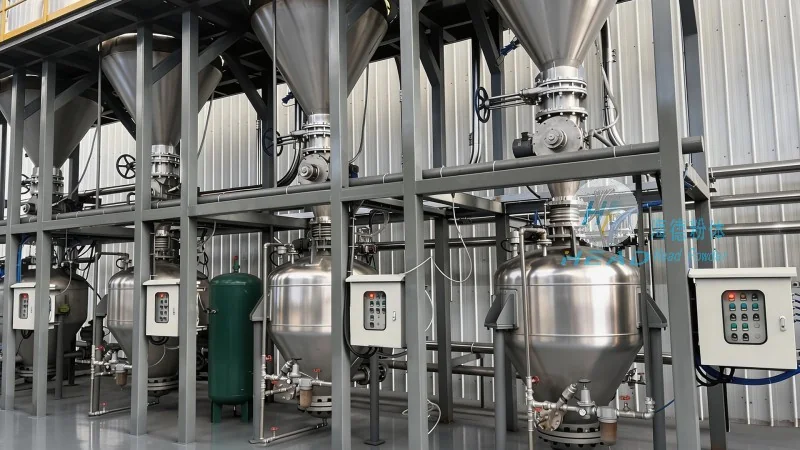
Each component is carefully selected and engineered to withstand the corrosive or abrasive nature of molybdenum oxide. For instance, the hopper and feeder may be constructed from materials like stainless steel or special alloys to prevent material buildup and ensure smooth flow. The air compressor is chosen based on the required pressure and flow rate, often using oil-free or low-oil models to avoid contamination of the molybdenum oxide.
The design principles of molybdenum oxide pneumatic conveying equipment focus on maximizing efficiency, minimizing energy consumption, and ensuring the safety of the operation. One of the primary design considerations is the velocity of the air stream. The air velocity must be high enough to keep the molybdenum oxide particles suspended in the air but low enough to prevent excessive wear on the pipeline and components. This balance is achieved through careful calculation of the material's particle size, density, and flow characteristics.
Another critical design principle is the system's pressure drop. The pressure drop across the pipeline and components affects the energy required to operate the system. Engineers optimize the system by selecting appropriate pipe diameters, using smooth surfaces to reduce friction, and incorporating features like expansion joints or bends that minimize turbulence. This optimization ensures that the system operates at an efficient pressure level, reducing energy costs and extending the lifespan of the equipment.
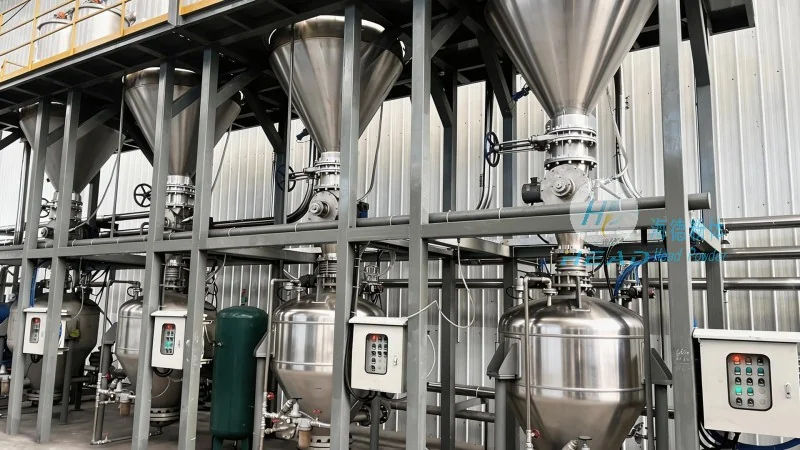
Material selection is also a key design consideration. Molybdenum oxide is a fine powder that can be abrasive and potentially corrosive depending on its form and the presence of moisture. Therefore, the construction materials for the conveying system must be durable and resistant to wear and corrosion. Stainless steel, high-chrome alloys, or specialized plastics are commonly used for components that come into direct contact with the material. Additionally, the system may include features like filters or cyclones to separate the molybdenum oxide from the air stream, ensuring that the material is collected without loss or contamination.
Implementing a pneumatic conveying system for molybdenum oxide offers several advantages over traditional methods like bucket elevators or belt conveyors. One of the most significant benefits is the elimination of dust and material loss. The closed-loop system prevents the release of fine particles into the environment, reducing health hazards for workers and minimizing product waste. This also helps in maintaining a clean and safe working environment, which is crucial in industrial settings.
Another advantage is the flexibility and scalability of the system. Pneumatic conveying systems can be easily expanded or modified to accommodate changes in production volume or material types. The ability to transport materials over long distances without the need for multiple transfer points makes the system ideal for large-scale industrial operations. Additionally, the system can be integrated with other processing equipment, such as mixers or reactors, to create a seamless production line.
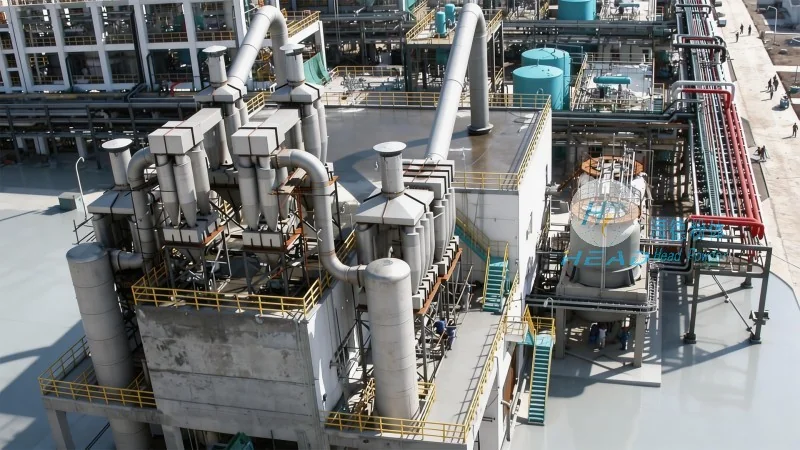
The efficiency of the system in terms of energy consumption is also a major advantage. By optimizing the air velocity and pressure, the system can operate with lower energy costs compared to other conveying methods. This not only reduces operational expenses but also contributes to a more sustainable and environmentally friendly operation.
Molybdenum oxide pneumatic conveying equipment is a sophisticated and efficient solution for handling fine powders in industrial applications. The design principles behind these systems focus on maximizing material transport efficiency, ensuring product integrity, and maintaining a safe and clean operation. By carefully selecting components, optimizing system parameters, and considering material properties, engineers can develop a system that meets the specific needs of molybdenum oxide handling.
Shandong HeadPowder Engineering Co., Ltd., a leading manufacturer in this field, specializes in designing and manufacturing high-quality pneumatic conveying systems tailored to the unique requirements of molybdenum oxide and other fine powders. With a focus on innovation and customer satisfaction, the company provides comprehensive solutions that enhance productivity and safety in industrial processes.

 Shandong Headpowder Engineering Co., Ltd.
 156-6277-7102(Manager Zhang)
  0531-83386006
  Zhangqiu District, Jinan City, Shandong Province, China
telephone
WeChatconsult
top