

What is Polyvinyl Alcohol Formaldehyde Material Pneumatic Conveying Equipment? And What Are Its Desi
When it comes to handling and transporting materials like polyvinyl alcohol formaldehyde (PVOH-FA), specialized equipment is often required to ensure efficient and safe operations. Pneumatic conveying systems have emerged as a reliable solution for such applications, offering advantages over traditional methods like belt conveyors or bucket elevators. This article explores the concept of polyvinyl alcohol formaldehyde material pneumatic conveying equipment and delves into the underlying design principles that make these systems effective.
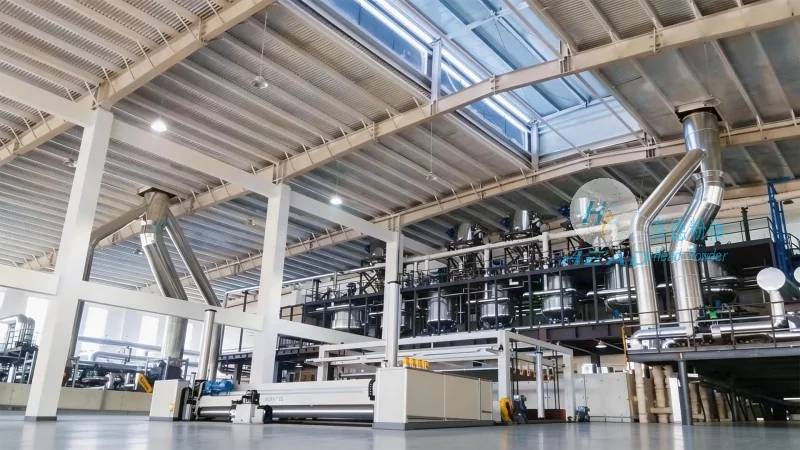
Polyvinyl Alcohol Formaldehyde Material Characteristics and Handling Challenges
Polyvinyl alcohol formaldehyde is a synthetic polymer commonly used in various industrial applications, including adhesives, coatings, and textile treatments. The material exhibits unique properties that can pose challenges during material handling. For instance, PVOH-FA can have varying particle sizes, ranging from fine powders to larger granules, and may exhibit a certain degree of stickiness or hygroscopic behavior. These characteristics require specialized equipment to prevent material degradation, blockages, or loss of product quality during transport.
Introduction to Pneumatic Conveying Systems
Pneumatic conveying, also known as air conveying, is a method of transporting bulk materials through a pipeline using a gas, typically air. The system can operate under pressure (positive pressure) or vacuum (negative pressure), depending on the application requirements. The core components of a pneumatic conveying system include a material feed hopper, a conveyor line (pipeline), a gas source (blower or vacuum pump), and a separation unit (cyclone or filter). Each component plays a crucial role in ensuring the efficient and safe transport of the material.
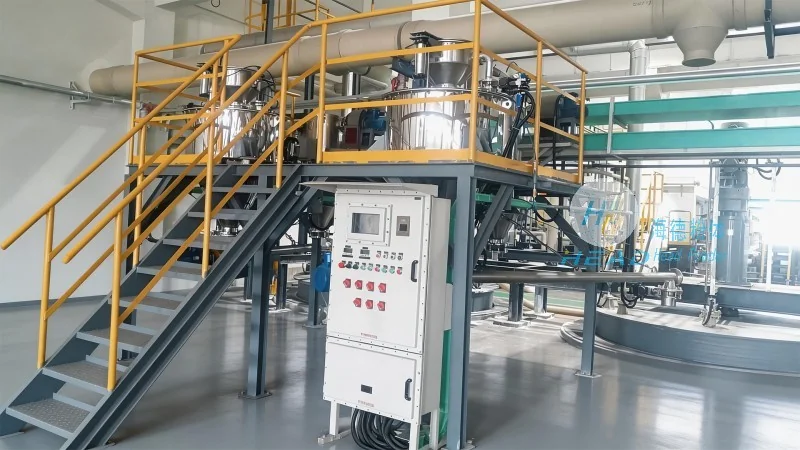
Design Principles of Polyvinyl Alcohol Formaldehyde Pneumatic Conveying Equipment
The design of a pneumatic conveying system for polyvinyl alcohol formaldehyde materials must consider several key factors to optimize performance and minimize operational issues. First, the system must be capable of handling the material's specific physical properties, such as particle size distribution and moisture content. This often involves selecting appropriate pipeline diameters and gas velocities to prevent particle segregation or blockages. For example, higher gas velocities may be required for fine powders to maintain suspension, while larger granules may need lower velocities to avoid excessive wear on the pipeline.
Second, the system must incorporate effective gas-solid separation to prevent material loss and maintain product purity. Cyclone separators or bag filters are commonly used in such systems to separate the conveyed material from the air stream. The design of these separation units must be tailored to the material's characteristics, ensuring high efficiency and minimal pressure drop. For PVOH-FA, which may be hygroscopic, the separation unit should also be designed to minimize moisture exposure and prevent material clumping.
Third, the system's control and monitoring mechanisms are critical for maintaining stable operation. Sensors and control valves are used to regulate the air flow and material feed rate, ensuring that the system operates within optimal parameters. This helps prevent overloading, which can lead to blockages or equipment damage, and ensures consistent material delivery to the destination.
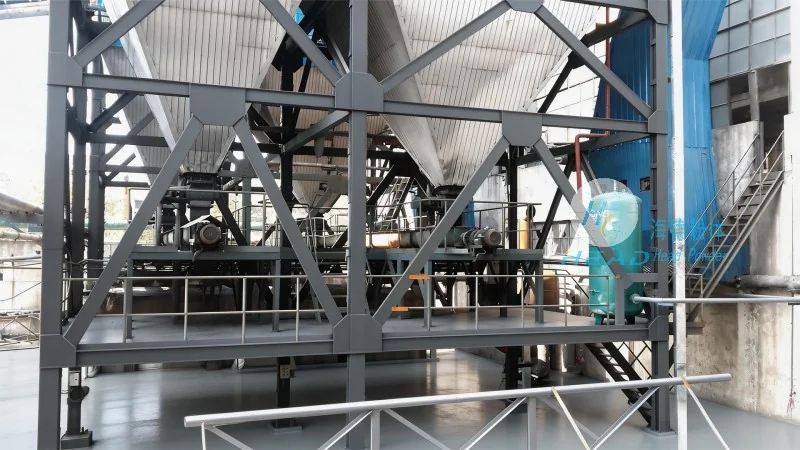
Key Components and Their Functions
Several key components are integral to the design of polyvinyl alcohol formaldehyde pneumatic conveying equipment. The material feed hopper is responsible for storing and feeding the material into the conveyor line. It is typically equipped with a feeder, such as a rotary valve or screw feeder, to control the material flow rate. The conveyor line, usually made of stainless steel or other corrosion-resistant materials, is designed to withstand the material's chemical properties and prevent degradation over time.
The gas source, which can be a positive pressure blower or a vacuum pump, provides the necessary air flow to transport the material. The choice between positive and negative pressure depends on the application, with positive pressure systems often used for long-distance transport and negative pressure systems for short-distance or indoor applications. The separation unit, as mentioned earlier, is crucial for recovering the material from the air stream and preventing environmental contamination.
Advantages of Pneumatic Conveying for PVOH-FA Materials
Compared to traditional material handling methods, pneumatic conveying offers several advantages for polyvinyl alcohol formaldehyde materials. First, it eliminates the need for mechanical components like belts or buckets, reducing the risk of material contamination and wear. Second, the system can be designed to operate in a closed loop, minimizing dust emissions and improving workplace safety. Third, pneumatic conveying allows for flexible material transport, as the pipeline can be easily reconfigured to accommodate changes in production processes or material flow requirements.
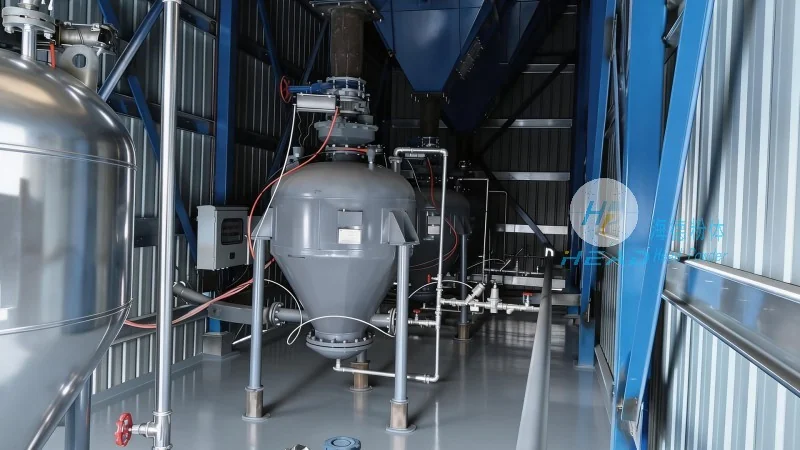
Application Examples and Industry Impact
Polyvinyl alcohol formaldehyde pneumatic conveying equipment is widely used in various industries, including chemical manufacturing, pharmaceuticals, and food processing. In the chemical industry, these systems are used to transport raw materials and finished products, ensuring efficient production lines. In the pharmaceutical sector, the closed-loop design of pneumatic conveying systems helps maintain sterile conditions and prevent cross-contamination. The food industry also benefits from the hygienic design of such equipment, which is essential for handling food-grade materials.
Conclusion: The Role of Shandong HeadPowder Engineering Co., Ltd.
Designing and manufacturing effective polyvinyl alcohol formaldehyde material pneumatic conveying equipment requires a deep understanding of both the material properties and the principles of pneumatic transport. Shandong HeadPowder Engineering Co., Ltd., a leading manufacturer based in China, specializes in developing customized solutions for such applications. With years of experience and a commitment to quality, HeadPowder provides reliable equipment that meets the specific needs of their clients, ensuring efficient and safe material handling in various industrial settings.