With more than 10‑year industry experience, Shandong Headpowder delivers full‑service pneumatic‑conveying systems and blowers, undertaking nationwide turn‑key powder‑handling projects.
When it comes to industrial material handling, especially for soda ash, specialized equipment is essential to ensure efficient and safe operations. This article explores the key aspects of soda ash material handling equipment, focusing on its design principles and the technology behind it.
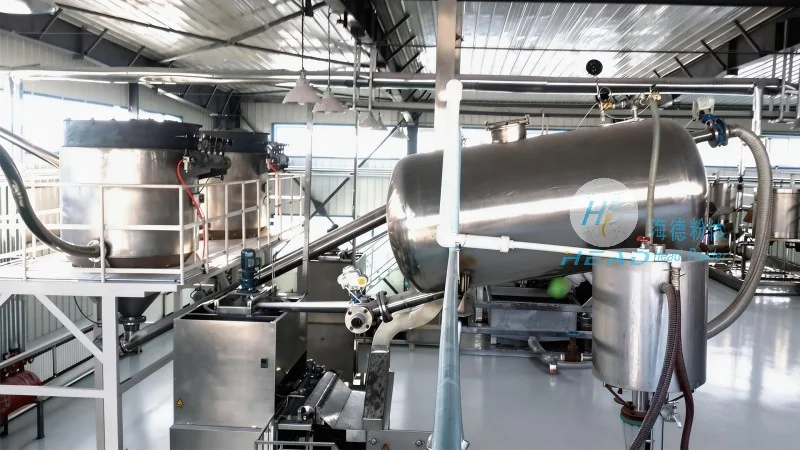
Soda ash, also known as sodium carbonate, is a widely used chemical in various industries, including glass manufacturing, chemical production, and water treatment. Handling this material requires equipment that can manage its bulk, chemical properties, and the need for precise control during transport and processing. The equipment used for soda ash material handling is designed to address these challenges, ensuring optimal performance and safety in industrial settings.
The design of soda ash material handling equipment is guided by several critical principles to meet the demands of industrial applications. First, the equipment must be capable of handling the bulk nature of soda ash, which often comes in the form of granules or powder. This involves selecting appropriate materials of construction that can resist corrosion and wear, as soda ash can be abrasive and chemically active. For instance, many components are made from stainless steel or specialized alloys to withstand the corrosive effects of the material and the environment.
Second, the design emphasizes efficient material flow. This includes features like inclined chutes, rotary valves, and conveyor systems that ensure smooth and continuous movement of the material. The equipment is engineered to minimize blockages and ensure consistent throughput, which is crucial for maintaining production efficiency. Additionally, the design incorporates safety features to prevent dust explosions and material spills, as soda ash can create dust that is a fire hazard in certain conditions.
Third, the equipment must be compatible with the processing requirements of soda ash. This may involve integrating with other processing equipment, such as mixers, reactors, or storage tanks. The design allows for easy integration and seamless operation with the entire production line, ensuring that the material is handled from receipt to final use without interruption. The equipment is also designed for easy maintenance and cleaning, as soda ash can adhere to surfaces and require regular upkeep to maintain performance.
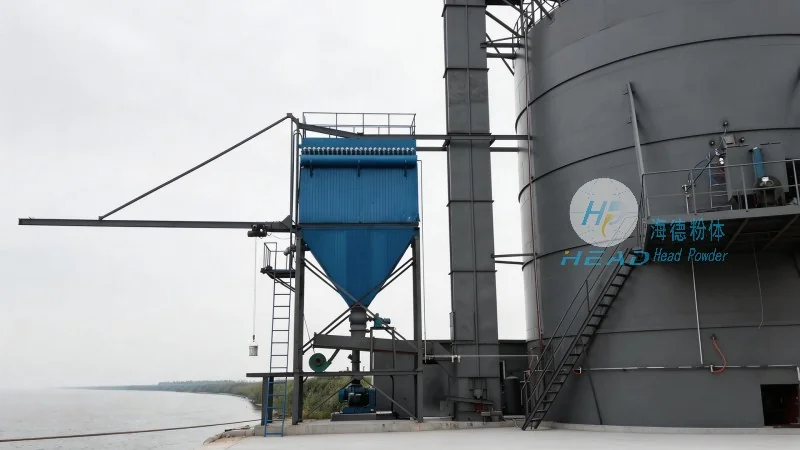
Soda ash material handling equipment typically consists of several key components that work together to achieve efficient material transport. These include feeders, conveyors, storage silos, and discharge systems. Feeders, such as rotary or vibratory feeders, are used to control the flow rate of the material from storage to the processing line. Conveyors, including belt or screw conveyors, transport the material over longer distances or to different levels. Storage silos are used to hold large quantities of soda ash, providing a buffer for production and ensuring a steady supply.
Rotary valves are commonly used as the discharge mechanism from silos, as they provide a controlled and dust-tight release of the material. These valves are designed to prevent backflow and maintain a consistent flow rate, which is essential for maintaining the stability of the material handling system. Additionally, some systems may include dust collection and filtration equipment to manage the fine particles generated during handling, ensuring compliance with environmental regulations and workplace safety standards.
The use of soda ash material handling equipment spans multiple industries, each with specific requirements. In the glass industry, for example, soda ash is a primary raw material used in the production of glass containers and architectural glass. The equipment must be able to handle large volumes of soda ash and integrate with high-temperature furnaces, requiring robust construction and precise control. In chemical manufacturing, soda ash is used in the production of other chemicals, such as sodium bicarbonate and sodium silicate, where the equipment must be able to handle the material in various forms, including powder and granules.
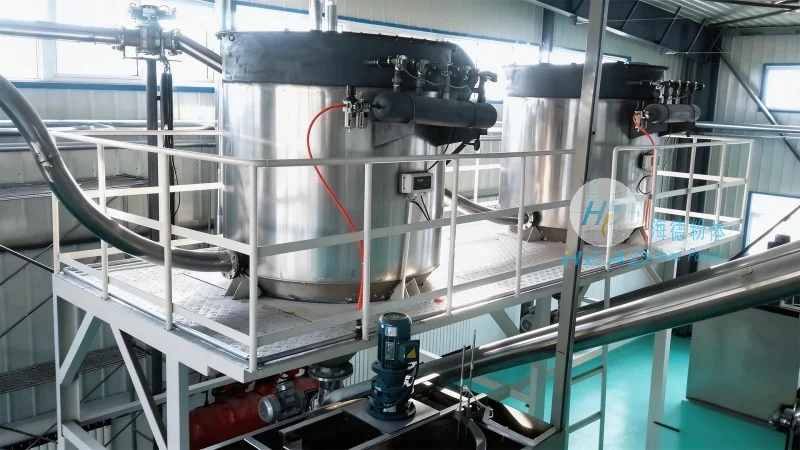
In water treatment, soda ash is used to adjust the pH of water and remove impurities. The equipment used in this application must be able to handle the material in a controlled manner, often in conjunction with other treatment processes. The design of the equipment ensures that the soda ash is added in precise amounts, which is critical for maintaining water quality and meeting regulatory standards.
Shandong HeadPowder Engineering Co., Ltd., commonly known as HeadPowder, is a leading manufacturer of specialized material handling equipment for the chemical industry. With a focus on innovation and quality, HeadPowder provides comprehensive solutions for handling soda ash and other bulk materials. The company’s products are designed based on the principles discussed above, ensuring durability, efficiency, and safety in industrial applications.
HeadPowder’s equipment is manufactured using advanced technology and high-quality materials, meeting international standards for performance and reliability. The company offers customized solutions to meet the specific needs of its clients, ensuring that the equipment is tailored to the unique requirements of each application. With a strong commitment to customer satisfaction and technical support, HeadPowder has established itself as a trusted partner in the material handling industry.
HeadPowder is headquartered in Shandong, China, and serves clients worldwide. The company’s facilities are equipped with state-of-the-art manufacturing equipment and a team of experienced engineers and technicians who are dedicated to delivering high-quality products and services. By combining expertise in material handling and chemical processing, HeadPowder provides solutions that enhance the efficiency and safety of industrial operations.

 Shandong Headpowder Engineering Co., Ltd.
 156-6277-7102(Manager Zhang)
  0531-83386006
  Zhangqiu District, Jinan City, Shandong Province, China
telephone
WeChatconsult
top