With more than 10‑year industry experience, Shandong Headpowder delivers full‑service pneumatic‑conveying systems and blowers, undertaking nationwide turn‑key powder‑handling projects.
Fluorspar powder, a critical raw material in various industrial applications, requires efficient and reliable handling methods to ensure quality and safety during processing. Pneumatic conveying systems have emerged as a preferred solution for transporting fluorspar powder due to their ability to handle fine powders with minimal product degradation. This technical analysis explores the two primary modes of pneumatic conveying—positive pressure and negative pressure—and compares their applications, advantages, and limitations in the context of fluorspar powder handling.
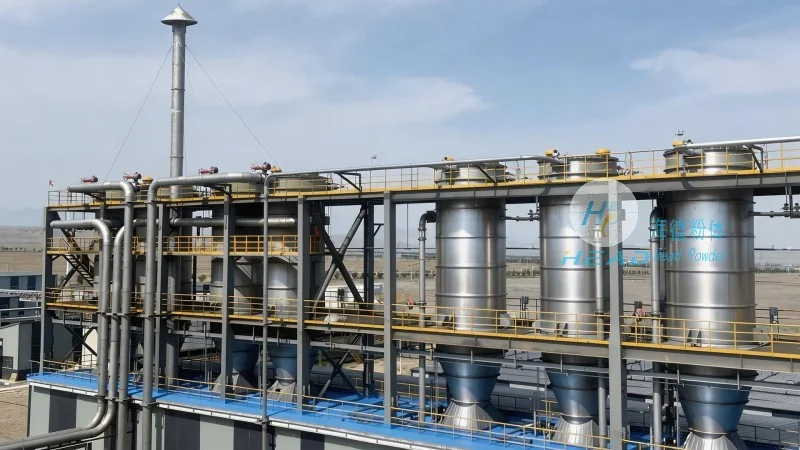
HeadPowder, a leading provider of engineering solutions for material handling, specializes in designing and implementing pneumatic conveying systems tailored to the unique needs of fluorspar processing facilities. With over [years of experience], the company has developed expertise in optimizing conveying systems to enhance productivity, reduce operational costs, and maintain product integrity. This article delves into the technical aspects of both positive and negative pressure conveying modes, providing insights for industries seeking to improve their fluorspar powder handling processes.
Pneumatic conveying systems use air or gas to transport bulk materials like fluorspar powder through a pipeline. The primary goal is to move the material from a source to a destination without the need for mechanical components such as buckets or belts. These systems are categorized into two main types based on the pressure differential: positive pressure (pressure-assisted) and negative pressure (vacuum-assisted) systems.
Positive pressure conveying operates by blowing air or gas into the conveying line, creating a pressure higher than the ambient air pressure. This method is particularly effective for transporting fluorspar powder over long distances or through complex pipe networks. The high pressure ensures that the powder is continuously propelled forward, minimizing the risk of clogging and ensuring consistent flow rates.
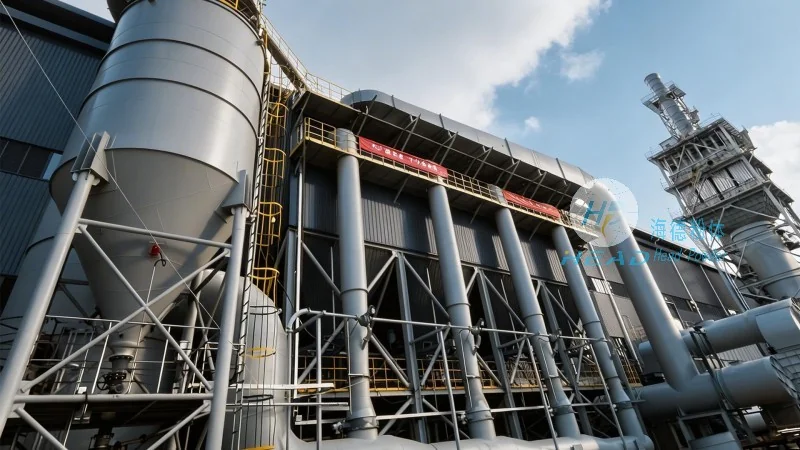
Key advantages of positive pressure systems include their ability to handle abrasive materials like fluorspar powder without significant wear on the equipment. They also allow for the integration of multiple conveying lines from a single source, making them suitable for large-scale operations. However, these systems require robust air compressors and may generate higher noise levels compared to negative pressure systems.
Negative pressure conveying, also known as vacuum-assisted conveying, operates by creating a vacuum in the conveying line, drawing the fluorspar powder into the system. This mode is ideal for applications where the material needs to be collected from multiple points or where the destination is at a lower elevation than the source.
One of the main benefits of negative pressure systems is their lower energy consumption compared to positive pressure systems, as they do not require high-pressure air compressors. They are also quieter and produce less dust compared to positive pressure systems, which is advantageous in environments where noise and dust control are critical. However, negative pressure systems are more susceptible to clogging and may require more frequent maintenance to prevent material buildup in the pipeline.
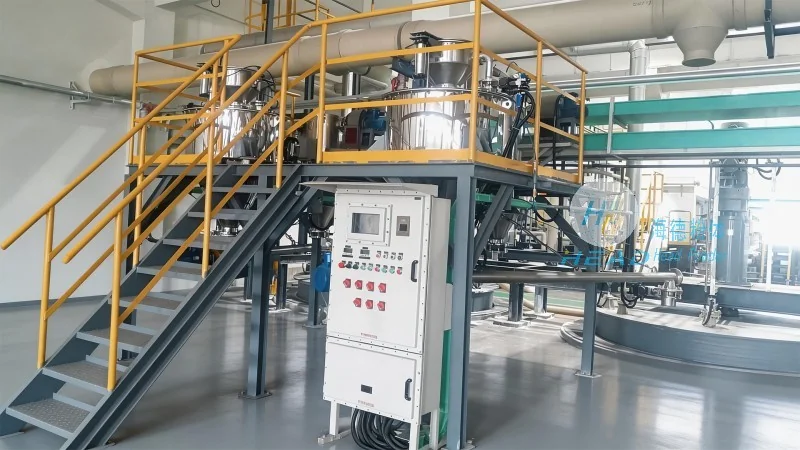
When selecting between positive and negative pressure conveying modes for fluorspar powder, several factors must be considered, including the distance of transport, the number of pick-up points, the material's properties, and the available infrastructure. Positive pressure systems are generally preferred for long-distance or high-volume applications, while negative pressure systems are more suitable for short-distance or low-volume operations.
HeadPowder's engineering team conducts thorough assessments of each client's specific requirements to recommend the most appropriate conveying mode. For instance, a fluorspar processing plant with a long conveying distance and multiple source points may benefit from a positive pressure system, whereas a facility with a short distance and a single source may opt for a negative pressure system.
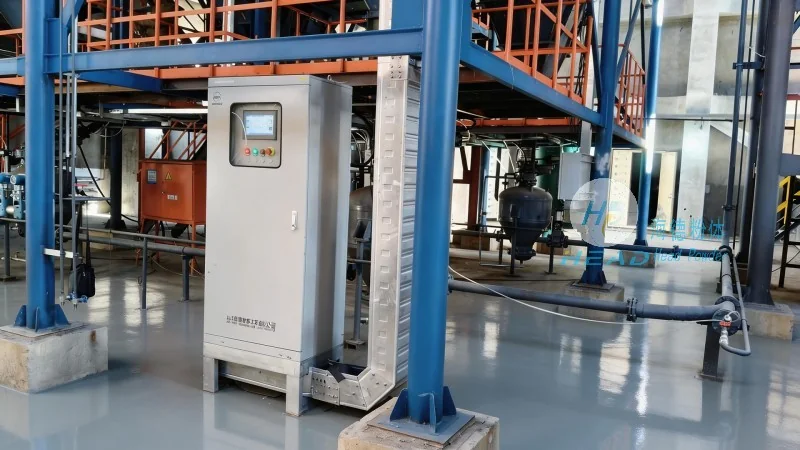
Successful implementation of pneumatic conveying systems for fluorspar powder depends on several key factors. First, the material's properties, such as particle size, density, and moisture content, must be carefully evaluated to determine the optimal conveying velocity and pressure. Second, the system's design must account for the potential for clogging, as fluorspar powder can be prone to bridging or agglomeration in the pipeline.
HeadPowder employs advanced design software and material testing to ensure that the conveying system is tailored to the specific characteristics of the fluorspar powder. The company also provides comprehensive installation and commissioning services to ensure that the system operates efficiently from day one. Additionally, regular maintenance and monitoring are essential to prevent issues such as pressure drops or material buildup, which can impact system performance.
Pneumatic conveying systems offer an efficient and reliable solution for handling fluorspar powder, with both positive and negative pressure modes providing distinct advantages depending on the application. By understanding the technical differences between these modes and leveraging the expertise of companies like HeadPowder, industries can optimize their material handling processes, reduce costs, and enhance product quality.

 Shandong Headpowder Engineering Co., Ltd.
 156-6277-7102(Manager Zhang)
  0531-83386006
  Zhangqiu District, Jinan City, Shandong Province, China
telephone
WeChatconsult
top