

Technical Analysis of Protein Powder Pneumatic Conveying Systems: Comparison of Positive Pressure an
Protein powder, a vital component in the food and beverage industry, requires efficient and reliable handling methods to maintain product quality and operational efficiency. Pneumatic conveying systems have emerged as a preferred solution for transporting protein powders due to their ability to handle fine, dusty materials without the need for mechanical components that could cause contamination or degradation. This article provides a technical analysis of protein powder pneumatic conveying systems, focusing on the comparison between positive pressure and negative pressure conveying modes, and highlights the expertise of Shandong HeadPowder Engineering Co., Ltd. in designing and implementing such systems.
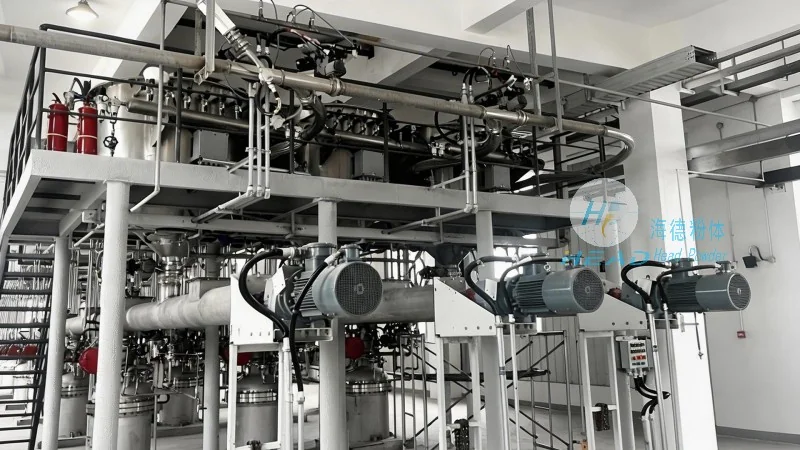
Company Profile: Shandong HeadPowder Engineering Co., Ltd.
HeadPowder, a leading engineering firm based in Shandong, China, specializes in the design, manufacturing, and installation of pneumatic conveying systems tailored for the food processing industry. With a strong commitment to quality and innovation, HeadPowder has built a reputation for delivering customized solutions that meet the stringent requirements of protein powder handling. The company’s headquarters is located in Shandong, China, where it leverages local resources and expertise to support its global clientele.
Understanding Pneumatic Conveying Modes
Pneumatic conveying systems utilize air or gas to transport bulk materials through a pipeline network. The two primary modes of operation are positive pressure and negative pressure, each with distinct characteristics and applications. Positive pressure systems force air and material through the pipeline using a positive pressure source, such as a blower or compressor, while negative pressure systems draw material into the pipeline using a vacuum source.
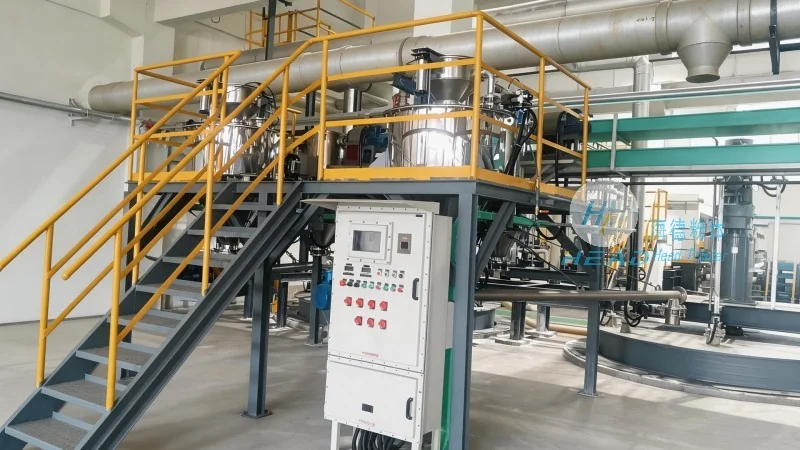
Positive Pressure Conveying Mode
Positive pressure conveying, also known as pressure pneumatic conveying, operates by generating a higher pressure in the conveying line compared to the ambient environment. This method is particularly effective for transporting protein powders over long distances or through complex system layouts. The system typically includes a positive displacement blower or a rotary lobe blower as the air source, which provides consistent pressure and airflow. Key advantages of positive pressure systems include higher conveying velocities, reduced risk of material degradation due to lower air velocity, and the ability to handle abrasive or sticky materials. However, they may require more maintenance due to the higher pressures involved and can be less energy-efficient for short-distance applications.
Negative Pressure Conveying Mode
Negative pressure conveying, or vacuum pneumatic conveying, operates by creating a lower pressure in the conveying line than the ambient environment. This method is commonly used for short-distance or low-volume conveying of protein powders, especially when the material needs to be collected from multiple points or transferred to a central storage unit. The system typically uses a vacuum pump as the air source, which draws material into the pipeline and transports it to the destination. Advantages of negative pressure systems include lower operating costs for short distances, reduced noise levels, and the ability to handle materials that are sensitive to high pressure. However, they may have lower conveying velocities, which can increase the risk of material degradation if the system is not properly designed, and may require more frequent filter maintenance due to the higher dust load.
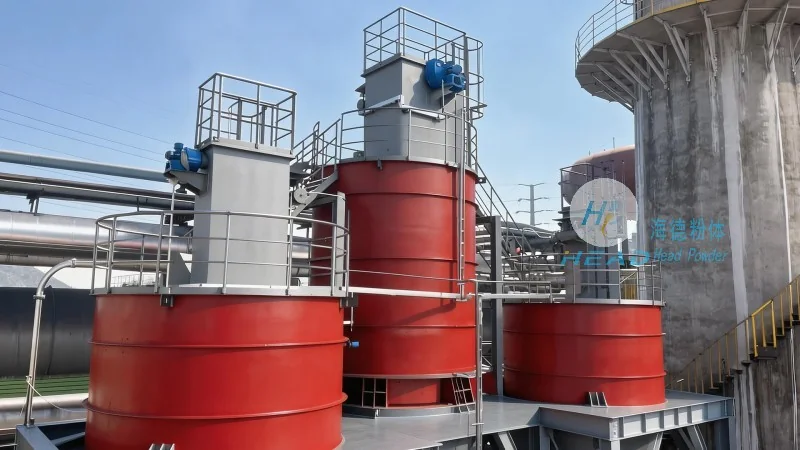
Key Technical Considerations for Protein Powder Conveying
When designing a pneumatic conveying system for protein powders, several technical factors must be considered to ensure optimal performance and product quality. These include material properties (such as particle size, density, and moisture content), system layout (including pipeline length, number of bends, and elevation changes), and the choice of air source (blower or vacuum pump). The selection of the appropriate conveying mode (positive or negative pressure) is critical and depends on the specific application requirements. For example, positive pressure systems are often preferred for long-distance or high-volume conveying, while negative pressure systems may be more suitable for short-distance or low-volume applications where noise and energy efficiency are key considerations.
System Components and Design
A typical protein powder pneumatic conveying system consists of several key components, including the air source (blower or vacuum pump), the conveying line (made of materials such as stainless steel or plastic to prevent contamination), the material feed hopper (to ensure consistent material flow), and the receiving hopper (to collect the conveyed material). The system may also include filters, cyclones, and dust collectors to remove any airborne particles and maintain a clean environment. The design of the system must adhere to industry standards, such as those set by the Food and Drug Administration (FDA) or the European Food Safety Authority (EFSA), to ensure compliance with food safety regulations. HeadPowder engineers carefully evaluate each component to ensure it meets the specific needs of the client, taking into account factors such as material compatibility, system efficiency, and maintenance requirements.
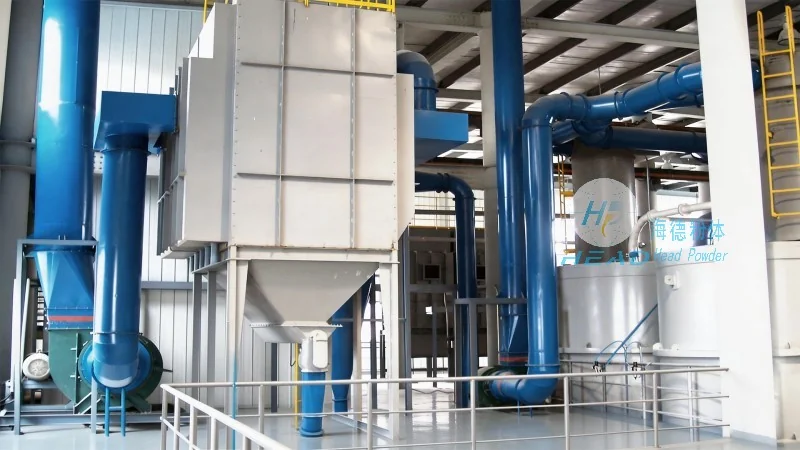
Benefits of Pneumatic Conveying for Protein Powders
Implementing a pneumatic conveying system for protein powders offers several benefits over traditional mechanical conveying methods. These include reduced product contamination, as there are no moving parts in direct contact with the material; improved product quality, as the system minimizes exposure to air and moisture; and increased operational efficiency, as the system can handle high volumes of material with minimal downtime. Additionally, pneumatic conveying systems are more flexible and can be easily modified to accommodate changes in production volume or product types. By choosing the right conveying mode and system design, manufacturers can optimize their protein powder handling processes and achieve better overall performance.
Conclusion
In conclusion, the choice between positive pressure and negative pressure pneumatic conveying modes for protein powders depends on the specific application requirements, including distance, volume, and material properties. Both modes have their advantages and limitations, and selecting the appropriate system is crucial for maintaining product quality and operational efficiency. Shandong HeadPowder Engineering Co., Ltd. provides comprehensive solutions for protein powder pneumatic conveying systems, leveraging its expertise in engineering and design to deliver customized systems that meet the needs of the food processing industry. With its headquarters in Shandong, China, HeadPowder continues to serve clients worldwide with reliable and efficient pneumatic conveying solutions.