

Technical Analysis of Biomass Ash Pneumatic Conveying Systems: A Comparison of Positive and Negative
HeadPowder, a leading engineering firm based in Shandong, China, specializes in the design and implementation of advanced pneumatic conveying systems for various industrial applications. Among these, the efficient handling of biomass ash presents unique challenges that require sophisticated technical solutions. This article provides a detailed technical analysis of biomass ash pneumatic conveying systems, focusing on the comparison between positive and negative pressure conveying modes to help industry professionals make informed decisions.
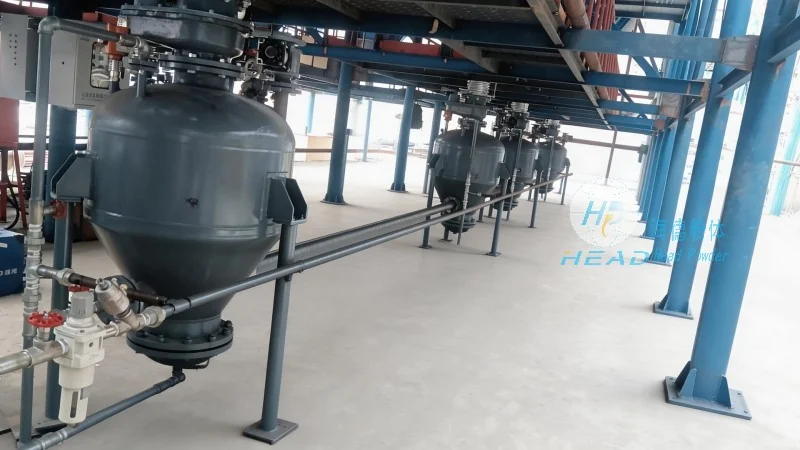
Introduction to Biomass Ash and Pneumatic Conveying
Biomass ash, a byproduct of biomass combustion processes, is rich in nutrients and can be utilized in agricultural and environmental applications. However, its handling and transportation require specialized equipment due to its fine particle size and potential for dust generation. Pneumatic conveying systems offer a reliable method to transport biomass ash from storage or processing areas to disposal or utilization sites. These systems use air or gas to move material through pipelines, eliminating the need for mechanical components like conveyors or elevators.
Understanding Pneumatic Conveying Modes
Pneumatic conveying systems operate on two primary principles: positive pressure and negative pressure. Each mode has distinct characteristics, advantages, and limitations that influence their suitability for biomass ash applications.
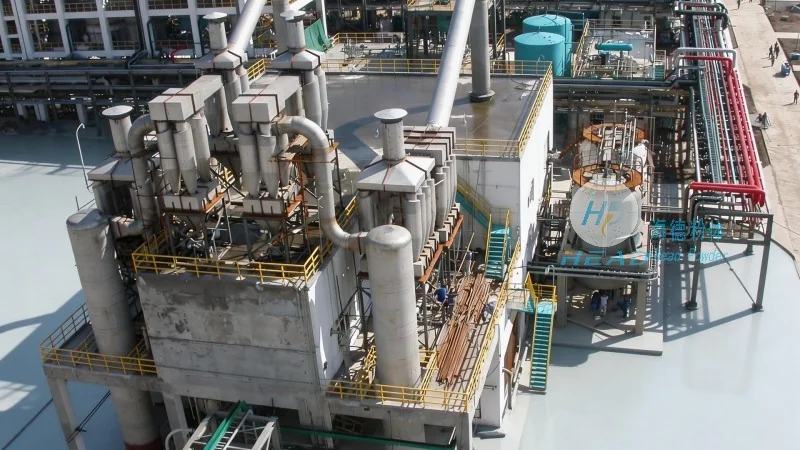
Positive Pressure Conveying Mode
Positive pressure conveying involves blowing air or gas into the conveying line to create a pressure higher than the ambient air pressure. The material is then drawn into the line and propelled forward by the pressurized air. This mode is often preferred for short to medium-distance conveying and for materials that are prone to clogging or require high transport velocities. In the context of biomass ash, positive pressure systems can effectively handle fine particles and prevent material accumulation in the pipeline. The system typically includes a blower, a hopper for material storage, and a discharge point at the destination. The pressure differential ensures consistent material flow, making it suitable for continuous operation in industrial settings.
Negative Pressure Conveying Mode
Negative pressure conveying, also known as vacuum conveying, operates by creating a vacuum in the conveying line, which draws material from the source into the pipeline. The material is then transported to the destination by the suction created by the vacuum pump. This mode is ideal for long-distance conveying and for applications where dust containment is critical. For biomass ash, negative pressure systems are particularly effective in reducing dust emissions and maintaining a clean working environment. The vacuum pump is usually located at the discharge end, and the system can handle a wide range of particle sizes, including very fine ash particles. However, negative pressure systems may have lower transport capacities compared to positive pressure systems and can be more susceptible to blockages if the material is too dry or cohesive.
Technical Considerations for Biomass Ash Conveying
When selecting between positive and negative pressure conveying for biomass ash, several technical factors must be considered. These include the distance of the conveying line, the particle size and moisture content of the ash, the required flow rate, and the environmental regulations governing dust emissions. The choice of conveying mode also impacts the system's energy efficiency and operational costs. Positive pressure systems generally consume more energy due to the higher air pressure required, while negative pressure systems may have lower energy consumption but higher maintenance costs for the vacuum pump.
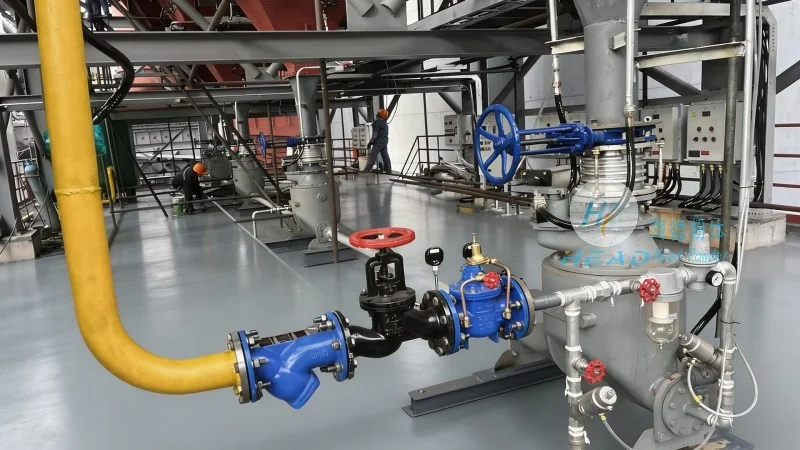
HeadPowder's Expertise in Biomass Ash Conveying Systems
Shandong HeadPowder Engineering Co., Ltd., with its headquarters in Shandong, China, has extensive experience in designing and implementing pneumatic conveying solutions tailored to the specific needs of biomass ash handling. The company's engineers leverage advanced computational fluid dynamics (CFD) and material flow analysis to optimize system design, ensuring efficient and reliable operation. HeadPowder's solutions incorporate features such as adjustable pressure control, material flow monitoring, and dust filtration systems to enhance performance and compliance with environmental standards. The company's commitment to innovation and customer satisfaction has made it a trusted partner for industries seeking to improve their biomass ash management processes.
Conclusion
In conclusion, the selection of a pneumatic conveying mode for biomass ash depends on a careful evaluation of operational requirements and technical constraints. Positive pressure conveying offers high transport efficiency and is suitable for short to medium distances, while negative pressure conveying excels in long-distance applications and dust control. By understanding the characteristics of each mode and considering factors such as material properties and system requirements, industry professionals can choose the most appropriate conveying solution. HeadPowder's technical expertise and comprehensive approach to system design ensure that clients receive customized solutions that meet their specific needs and contribute to the efficient and sustainable management of biomass ash.