With more than 10‑year industry experience, Shandong Headpowder delivers full‑service pneumatic‑conveying systems and blowers, undertaking nationwide turn‑key powder‑handling projects.
When it comes to transporting PTA powder, selecting the right pneumatic conveying method is crucial for efficiency, safety, and cost-effectiveness. Two primary approaches dominate the industry: positive pressure conveying and negative pressure conveying. Each method offers distinct advantages and is suited to different operational requirements. This analysis delves into the characteristics, applications, and comparative performance of both systems, providing insights for process engineers and facility managers.
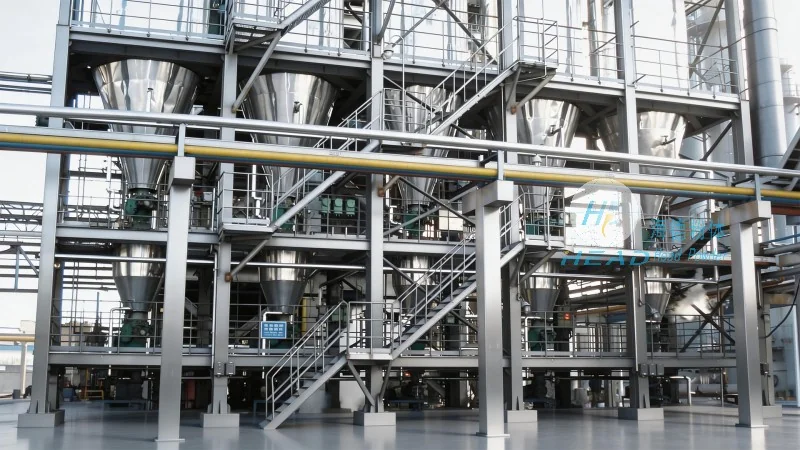
Positive pressure conveying, also known as pressure pneumatic conveying, operates by blowing air or a carrier gas into the material to be transported. The system generates positive pressure within the conveying line, pushing the powder from the source to the destination. This method is particularly effective for long-distance or high-capacity applications, as it can maintain consistent flow rates and handle abrasive or corrosive materials without significant wear on equipment. The primary components of a positive pressure system include a blower, a hopper, a conveying line, and a receiver. The blower provides the necessary pressure to move the powder, while the hopper ensures a steady supply of material. The conveying line is typically made of stainless steel or other corrosion-resistant materials to withstand the abrasive nature of PTA powder. The receiver collects the material at the end of the line, often equipped with a dust collection system to prevent environmental contamination. A key advantage of positive pressure systems is their ability to handle large volumes of material quickly, making them ideal for industrial-scale operations. However, they may require more maintenance due to the higher pressure and potential for wear on components. Additionally, the system can be more expensive to install and operate compared to negative pressure alternatives, as it demands robust equipment capable of withstanding high pressures.
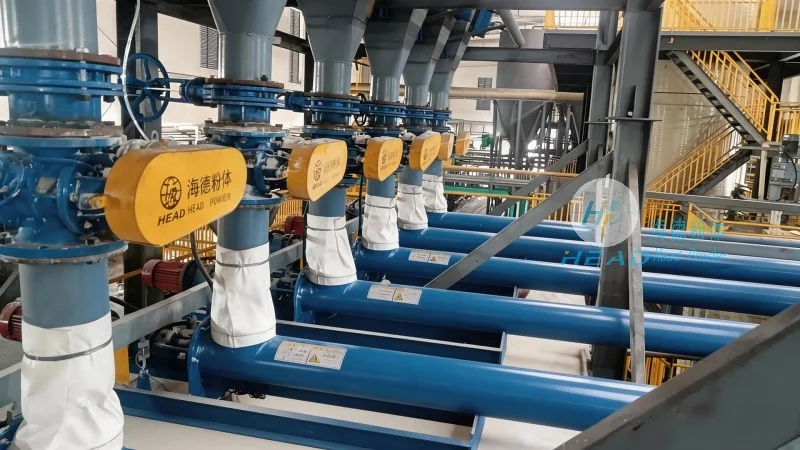
Negative pressure conveying, or vacuum pneumatic conveying, works by creating a vacuum in the conveying line, drawing the powder from the source to the destination. The system uses a vacuum pump to pull air and powder through the line, with the material being collected in a receiver at the end. This method is well-suited for applications requiring gentle handling of the material, as the vacuum process minimizes particle breakage and reduces the risk of dust generation. Negative pressure systems are often preferred for shorter distances or when the material is sensitive to high pressure. The components of a negative pressure system include a vacuum pump, a hopper, a conveying line, and a receiver. The vacuum pump generates the necessary suction to move the powder, while the hopper provides a controlled feed. The conveying line is typically made of flexible or rigid materials, depending on the application, and is often equipped with filters to capture any dust particles. The receiver collects the material and may include a dust collection system to ensure compliance with environmental regulations. A significant advantage of negative pressure systems is their lower operational cost, as they use less energy compared to positive pressure systems. However, they may have limitations in terms of conveying distance and capacity, as the vacuum can diminish over longer distances, potentially affecting flow rates. Additionally, the system may require more frequent maintenance of the vacuum pump and filters to maintain efficiency.
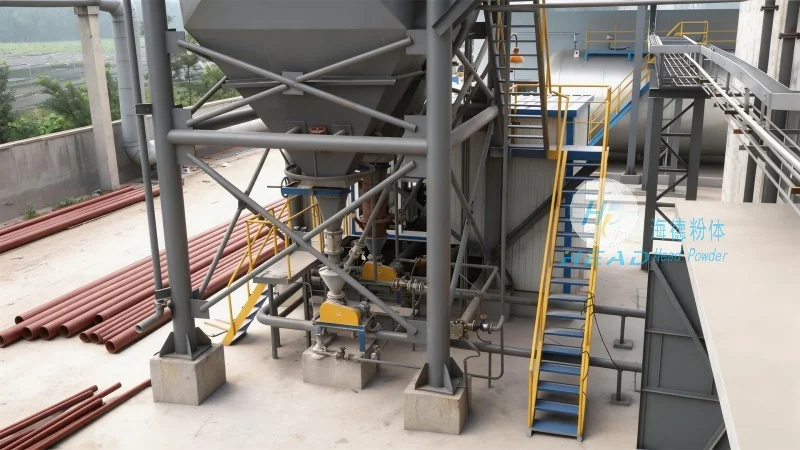
When comparing positive and negative pressure conveying for PTA powder, several factors must be considered, including operational efficiency, material handling, cost, and environmental impact. Positive pressure systems excel in high-capacity, long-distance applications, offering consistent flow rates and the ability to handle abrasive materials. They are ideal for industrial settings where speed and throughput are critical. Conversely, negative pressure systems are better suited for shorter distances or when the material is delicate, as they provide gentle handling and lower energy consumption. The choice between the two often depends on the specific process requirements, such as the distance between the source and destination, the volume of material to be transported, and the sensitivity of the PTA powder to pressure or handling. For example, a facility with a long conveyor line and high material throughput may opt for a positive pressure system, while a plant with shorter distances and a focus on material preservation might choose a negative pressure system. Additionally, the cost of installation and maintenance plays a role, as positive pressure systems generally require more expensive equipment and higher operational costs, whereas negative pressure systems offer lower upfront and ongoing expenses. Environmental considerations also come into play, as both systems can be equipped with dust collection systems to minimize emissions, but negative pressure systems may generate less dust due to the gentler handling of the material.
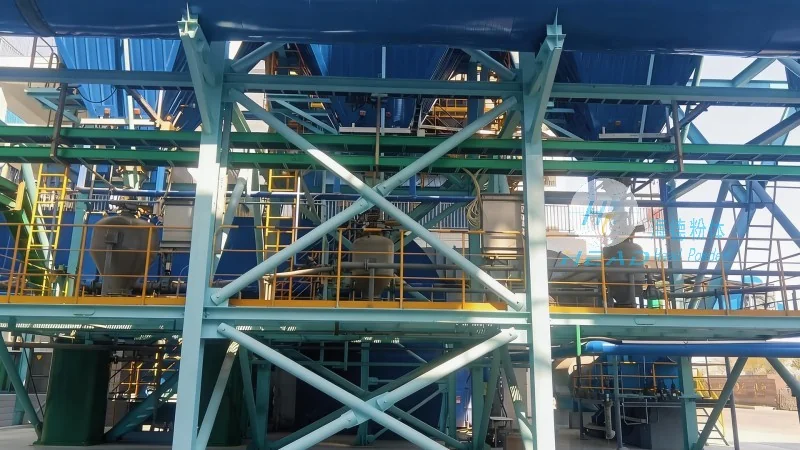
Shandong HeadPowder Engineering Co., Ltd., operating under the brand name headpowder, is a leading provider of pneumatic conveying solutions tailored to the needs of the chemical and material processing industries. With a focus on innovation and customer-centric design, the company specializes in developing customized positive and negative pressure conveying systems for PTA powder and other fine materials. HeadPowder's expertise lies in understanding the unique challenges of each application, from material properties to operational constraints, and designing systems that optimize performance while ensuring safety and compliance. The company's facilities are located in Shandong, China, where it leverages advanced manufacturing capabilities and a team of experienced engineers to deliver high-quality equipment and services. By combining cutting-edge technology with practical engineering solutions, HeadPowder aims to enhance the efficiency and reliability of pneumatic conveying processes for its clients, contributing to the overall productivity of industrial operations. The company's commitment to quality and customer satisfaction has established it as a trusted partner in the industry, providing reliable solutions that meet the evolving demands of modern manufacturing.

 Shandong Headpowder Engineering Co., Ltd.
 156-6277-7102(Manager Zhang)
  0531-83386006
  Zhangqiu District, Jinan City, Shandong Province, China
telephone
WeChatconsult
top