

Technical Analysis of Negative Electrode Material Particle Pneumatic Conveying Systems: Comparison o
HeadPowder, a leading engineering company based in Shandong, China, specializes in the design and implementation of advanced pneumatic conveying systems tailored for the handling of negative electrode material particles. This technical analysis delves into the core technologies of positive pressure and negative pressure conveying modes, offering a comprehensive comparison to help clients select the most suitable solution for their industrial applications.
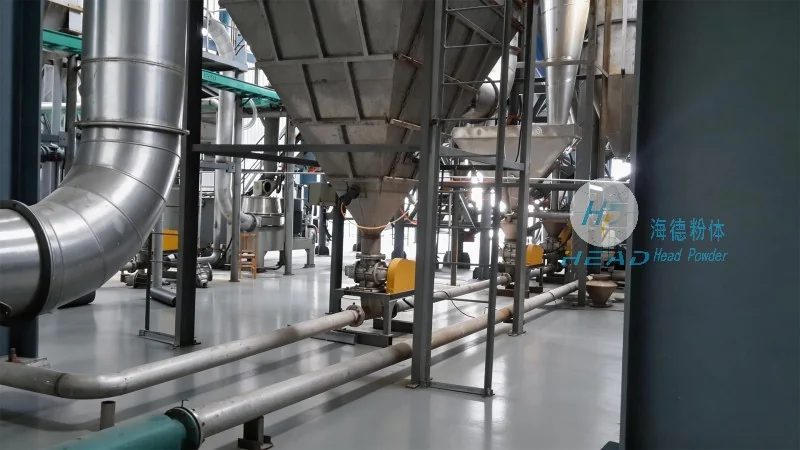
Understanding Pneumatic Conveying Systems for Negative Electrode Materials
Negative electrode materials, such as graphite and lithium iron phosphate, are critical components in lithium-ion batteries. The efficient and safe transportation of these fine particles is essential for maintaining product quality and operational efficiency in battery manufacturing facilities. Pneumatic conveying systems provide a dust-free, enclosed method to move these materials, which is crucial for meeting environmental and safety standards in modern battery production lines.
Positive Pressure Conveying Mode: Advantages and Applications
Positive pressure conveying operates by blowing air or a carrier gas into the conveying line, creating a pressure higher than the ambient air pressure. This method is particularly effective for transporting materials over long distances or through complex piping networks. The high pressure ensures consistent flow rates and can handle a wide range of particle sizes and moisture levels. For negative electrode materials, positive pressure systems are often preferred when dealing with abrasive or sticky particles, as they can maintain a stable and reliable flow. The system typically includes a blower, a hopper for material storage, and a conveying line with appropriate valves and filters to prevent particle loss and contamination.
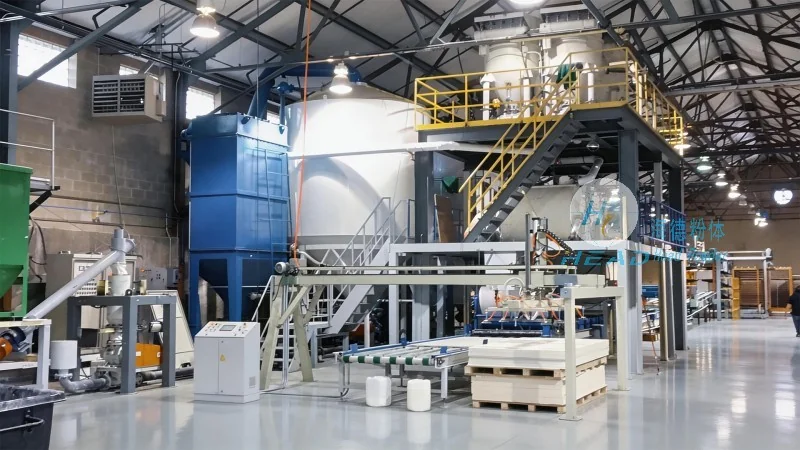
Negative Pressure Conveying Mode: Key Features and Use Cases
Negative pressure conveying, also known as suction conveying, works by creating a vacuum in the conveying line, drawing material from the source into the system. This mode is ideal for applications where the material source is at a higher elevation than the destination, or when the process requires a clean environment with minimal air leakage. Negative pressure systems are generally more compact and can handle smaller quantities of material, making them suitable for laboratory-scale or pilot plant operations. However, they may face challenges with particle segregation and clogging in long or complex lines, especially with fine or cohesive negative electrode materials. The system usually consists of a vacuum pump, a collection hopper, and a filter to capture any escaped particles, ensuring environmental compliance.
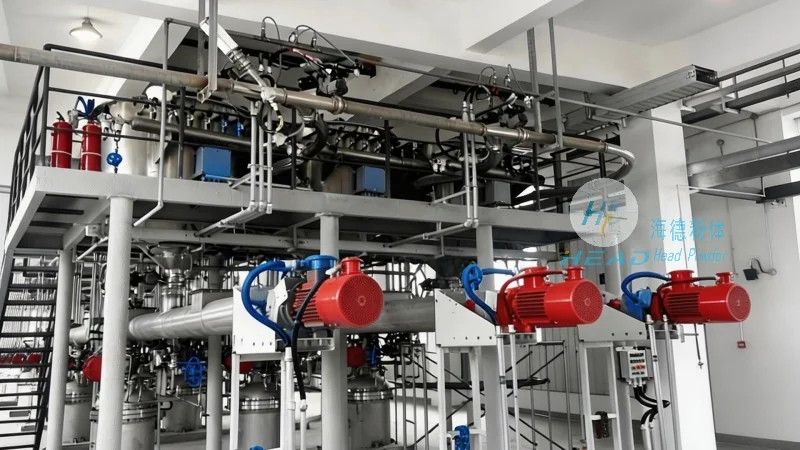
Key Considerations for Choosing Between Positive and Negative Pressure Systems
The selection between positive and negative pressure conveying depends on several factors, including the material properties, distance and layout of the conveying path, environmental regulations, and operational requirements. For instance, positive pressure systems are often chosen for large-scale production lines where high throughput and reliability are paramount, while negative pressure systems may be preferred for smaller-scale or research applications where space and cost are critical. The choice also impacts the system's energy consumption, with positive pressure systems generally requiring more power due to the higher pressure requirements. Additionally, the maintenance and operational complexity differ, as positive pressure systems may need more robust components to withstand higher pressures, whereas negative pressure systems rely on effective filtration to prevent dust emissions.
HeadPowder's Expertise in Pneumatic Conveying Solutions
Shandong HeadPowder Engineering Co., Ltd. leverages decades of experience in the engineering and manufacturing of pneumatic conveying systems. The company's team of experts works closely with clients to assess their specific needs, from material characteristics to facility layout, to design customized solutions that optimize performance and cost. HeadPowder's systems are engineered to meet the stringent requirements of the battery industry, ensuring minimal product degradation, low maintenance, and compliance with international safety and environmental standards. By offering both positive and negative pressure options, HeadPowder provides clients with the flexibility to choose the most appropriate technology for their unique production environment, whether it's a large-scale battery manufacturing plant or a research and development facility.