With more than 10‑year industry experience, Shandong Headpowder delivers full‑service pneumatic‑conveying systems and blowers, undertaking nationwide turn‑key powder‑handling projects.
Phosphorus pentachloride (PCl₅) is a highly reactive and corrosive chemical compound widely used in industrial applications such as organic synthesis, pharmaceutical manufacturing, and chemical production. Proper material handling of PCl₅ is critical due to its hazardous nature, which includes strong oxidizing properties, potential for releasing toxic fumes, and the risk of chemical reactions when exposed to moisture or other substances. This article explores the essential aspects of PCl₅ material handling, focusing on the design principles that ensure safe and efficient operations.
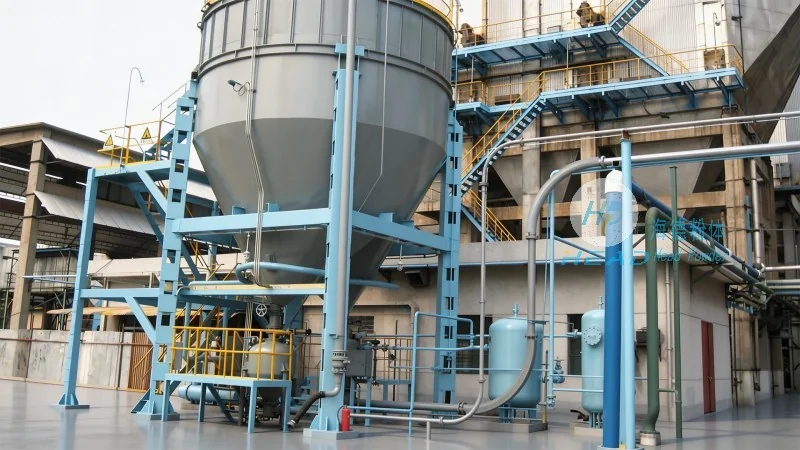
Phosphorus pentachloride is a colorless to white crystalline solid with a pungent odor. It is hygroscopic, meaning it readily absorbs moisture from the air, which can lead to hydrolysis and the release of corrosive gases like phosphoric acid and hydrochloric acid. Due to these characteristics, handling PCl₅ requires specialized equipment and strict safety protocols. The primary challenges in material handling include controlling moisture exposure, managing temperature fluctuations, and preventing accidental contact with incompatible materials. These factors necessitate a robust system design that prioritizes containment, ventilation, and operational safety.
Shandong HeadPowder Engineering Co., Ltd. (HeadPowder) is a leading provider of engineering solutions for hazardous chemical handling. With a strong commitment to safety, quality, and innovation, HeadPowder specializes in designing and manufacturing systems tailored to the unique needs of industrial chemical processes. The company's expertise spans from material handling equipment to process control systems, ensuring that clients can operate with confidence and compliance. HeadPowder's team of experienced engineers and technicians work closely with clients to understand their specific requirements, providing customized solutions that meet industry standards and regulatory requirements. Based in Shandong, China, HeadPowder leverages local resources and advanced technology to deliver reliable and efficient chemical handling solutions.
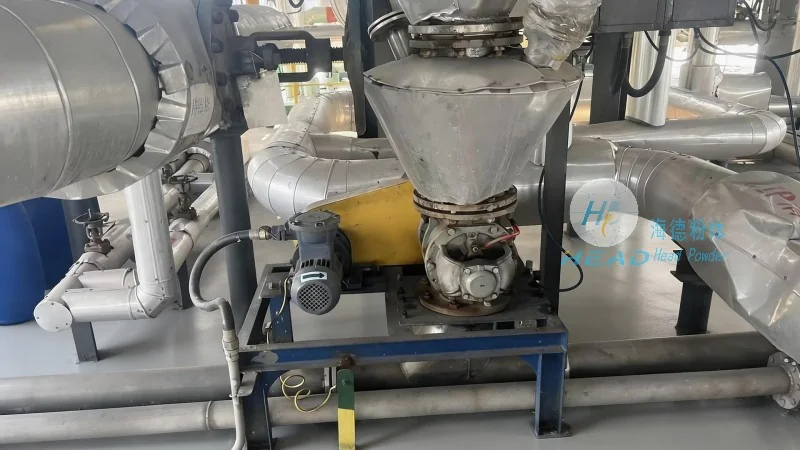
The design of a PCl₅ material handling system follows several key principles to ensure safety and efficiency. First, containment is paramount. All equipment, including storage tanks, transfer lines, and processing vessels, must be constructed from materials resistant to corrosion, such as stainless steel or specialized alloys. The system should include secondary containment measures to prevent leaks or spills from reaching the environment. Second, temperature control is critical. PCl₅ is sensitive to temperature changes, and maintaining it within a specified range (typically between 20°C and 30°C) prevents decomposition and ensures consistent performance. Insulation and temperature-regulating systems are integral components of the design. Third, ventilation and fume extraction are essential to remove any released gases or vapors, protecting personnel from exposure. The system must be equipped with efficient exhaust systems and appropriate filtration to meet safety standards. Fourth, automation and control systems enhance operational safety and efficiency. Modern systems often include sensors, alarms, and automated shutdown mechanisms that respond to abnormal conditions, such as temperature spikes or pressure changes. These controls minimize the risk of human error and ensure rapid response to potential hazards. Finally, the system must comply with relevant regulations and standards, such as those from the Occupational Safety and Health Administration (OSHA) and the Environmental Protection Agency (EPA). Regular inspections and maintenance are also part of the design to ensure long-term reliability and safety.
A typical PCl₅ material handling system consists of several interconnected components, each playing a vital role in the overall operation. The primary components include storage tanks, transfer pumps, metering devices, and processing equipment. Storage tanks are designed to hold the PCl₅ in a sealed, moisture-free environment, often with a built-in drying system to prevent hydrolysis. Transfer pumps, usually positive displacement or centrifugal types, move the material from storage to processing units. Metering devices, such as flow meters or dosing pumps, control the precise amount of PCl₅ added to the reaction, ensuring consistent product quality. Processing equipment, such as reactors or mixers, may include additional features like temperature control jackets and agitators to facilitate chemical reactions. The system also includes piping and fittings made from corrosion-resistant materials, such as PTFE or PFA, to prevent leaks and maintain the integrity of the material. Additionally, safety features like pressure relief valves, emergency shut-off valves, and fire suppression systems are integrated into the design to protect against accidents. Each component is selected based on the specific properties of PCl₅ and the requirements of the application, ensuring optimal performance and safety.
Operational safety is a top priority when handling PCl₅. Personnel must be trained on the hazards associated with the chemical and the proper use of personal protective equipment (PPE), including gloves, goggles, and respirators. The work area should be well-ventilated, with appropriate exhaust systems to remove fumes. Regular monitoring of the system for leaks or abnormal conditions is essential. In case of a spill or release, immediate action is required, including containment, neutralization, and cleanup. Emergency response plans should be in place and regularly practiced to ensure a swift and effective response. Additionally, the system should be inspected and maintained regularly to identify and address potential issues before they become major problems. This includes checking for corrosion, leaks, and proper functioning of safety devices. By following these best practices, organizations can minimize the risks associated with PCl₅ handling and ensure a safe working environment.
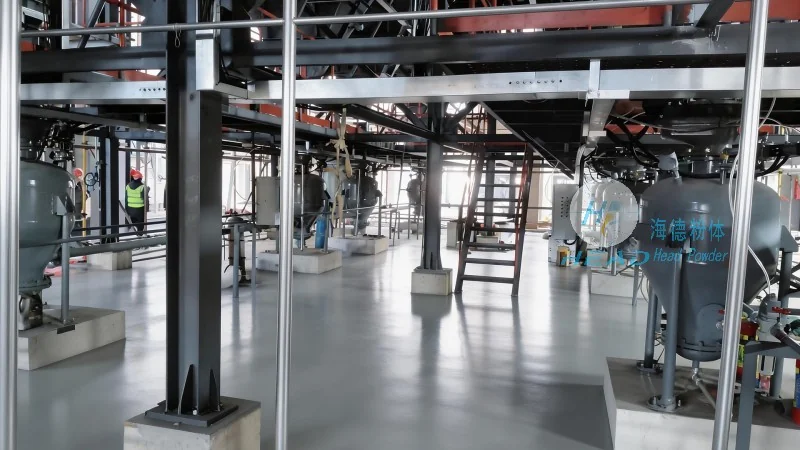
Phosphorus pentachloride is used in a variety of industrial applications due to its reactivity and ability to introduce chlorine atoms into organic compounds. In pharmaceutical manufacturing, it is used in the synthesis of certain drugs and intermediates. In organic chemistry, it serves as a chlorinating agent for producing chlorinated compounds. The chemical industry also utilizes PCl₅ in the production of pesticides, herbicides, and other agricultural chemicals. Additionally, it is used in the manufacturing of flame retardants and other specialty chemicals. The material handling systems designed for PCl₅ are tailored to the specific requirements of these applications, ensuring that the chemical is handled safely and efficiently throughout the production process. The design principles discussed earlier are applied to each application to meet the unique demands of the industry.
Proper material handling of phosphorus pentachloride is essential for industrial operations due to its hazardous nature. The design principles and components discussed in this article provide a comprehensive framework for ensuring safe and efficient handling. By prioritizing containment, temperature control, ventilation, and automation, organizations can minimize the risks associated with PCl₅ and ensure compliance with regulatory standards. HeadPowder, with its expertise and commitment to safety, offers reliable solutions for PCl₅ material handling, helping clients achieve their production goals while maintaining a safe working environment. As the chemical industry continues to rely on PCl₅ for various applications, the importance of robust material handling systems cannot be overstated. By adhering to the principles outlined here, organizations can protect their personnel, equipment, and the environment, ensuring long-term success in their operations.

 Shandong Headpowder Engineering Co., Ltd.
 156-6277-7102(Manager Zhang)
  0531-83386006
  Zhangqiu District, Jinan City, Shandong Province, China
telephone
WeChatconsult
top