

What is a Sugar Material Pneumatic Conveying Machine? And What Are Its Design Principles?
For sugar processing facilities, efficient material handling is crucial to maintaining production efficiency and product quality. Among the various technologies available, pneumatic conveying machines have become a preferred choice for transporting sugar materials due to their ability to handle bulk materials in a closed system, minimizing contamination and dust exposure. This article explores the concept of a sugar material pneumatic conveying machine and delves into its design principles, with insights from Shandong HeadPowder Engineering Co., Ltd., a leading provider in the field.
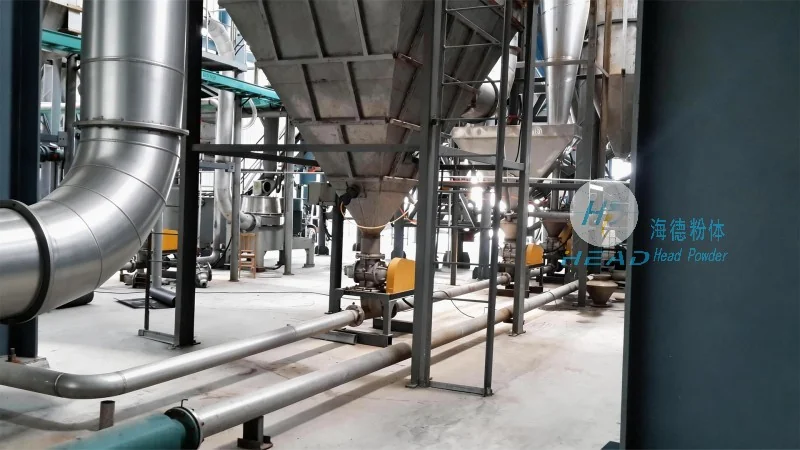
Understanding the Sugar Material Pneumatic Conveying Machine
A sugar material pneumatic conveying machine is a system designed to transport granular or powdered sugar through a pipeline using air or gas as the conveying medium. Unlike traditional mechanical conveyors, which rely on mechanical components like belts or screws, pneumatic conveyors utilize the force of moving air to move the material. This method is particularly advantageous for sugar, as it can handle fine powders and granules without causing degradation or contamination. The system typically includes components such as a feeder, a conveying line, a separator, and a dust collector, all working in tandem to ensure smooth and efficient material transport.
Design Principles of the Pneumatic Conveying System
The design of a sugar material pneumatic conveying machine is tailored to address the unique characteristics of sugar, such as its particle size, moisture content, and tendency to clump or cake. The core design principles revolve around optimizing airflow, pressure, and material flow to achieve consistent and reliable transport. There are two primary types of pneumatic conveying systems: pressure and vacuum. Pressure systems use compressed air to push the material through the pipeline, while vacuum systems use a vacuum to draw the material into the line. For sugar processing, pressure systems are often preferred as they can handle higher material loads and provide better control over the conveying process.
Key design considerations include the selection of appropriate air velocities to prevent material deposition or blockages in the pipeline. The velocity must be high enough to keep the sugar particles suspended but low enough to avoid excessive wear on the system components. Additionally, the system is designed to maintain a consistent air-to-material ratio to ensure efficient transport without wasting energy. The use of specialized components, such as rotary feeders and cyclone separators, is critical in maintaining the integrity of the sugar particles and preventing dust generation.
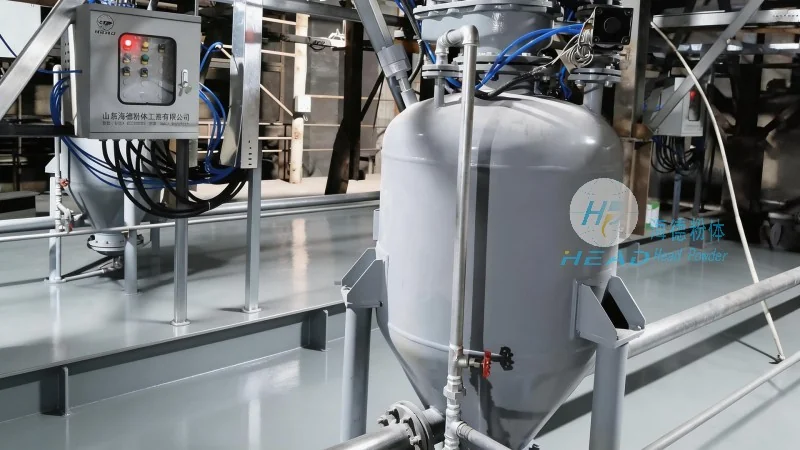
Components and Their Functions in the Conveying System
The effectiveness of a sugar material pneumatic conveying machine depends on the proper integration of several key components. The feeder is responsible for feeding the sugar into the conveying line at a controlled rate, ensuring a steady flow of material. It is typically designed to handle different sugar types and particle sizes, with adjustable settings to match production requirements. The conveying line, usually made of stainless steel or other corrosion-resistant materials, is designed to withstand the abrasive nature of sugar particles and the effects of moisture and temperature.
The separator, often a cyclone or a bag filter, is used to separate the sugar from the air stream, preventing dust from being released into the environment. This component is crucial for maintaining a clean and safe working environment in sugar processing facilities. The dust collector, which may include a baghouse or an electrostatic precipitator, further cleans the air before it is discharged, ensuring compliance with environmental regulations. The control system, which monitors and adjusts the airflow and material feed, ensures the system operates at optimal efficiency and prevents overloading or underloading.
Addressing Specific Challenges in Sugar Handling
Sugar materials, especially powdered or fine granules, can present challenges such as caking, agglomeration, and high moisture content, which can affect the performance of a pneumatic conveying system. The design of the HeadPowder system addresses these challenges through specialized features. For instance, the feeder is equipped with a pre-drying or pre-conditioning mechanism to reduce moisture and prevent clumping. The conveying line may include heated sections to maintain the sugar at an optimal temperature, preventing it from sticking to the walls. Additionally, the system incorporates self-cleaning features to prevent blockages caused by accumulated material.
The design also considers the hygienic requirements of the sugar industry. All components are made of food-grade materials and are easy to clean and maintain, ensuring compliance with food safety standards. The system is also designed to minimize product contamination, with sealed connections and enclosed pipelines that prevent dust and foreign particles from entering the sugar stream.
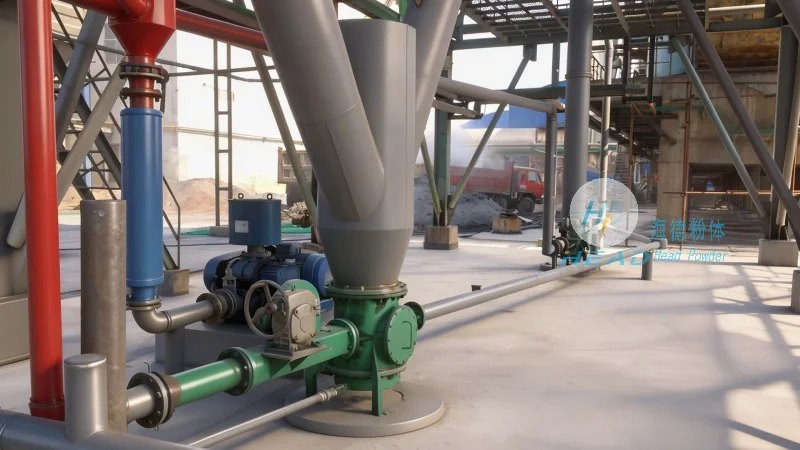
Application and Benefits in Sugar Processing
The sugar material pneumatic conveying machine from Shandong HeadPowder Engineering Co., Ltd. is widely used in various stages of sugar processing, including raw sugar handling, refining, and packaging. The system offers several benefits over traditional mechanical conveyors, including reduced labor costs, lower maintenance requirements, and improved product quality. By keeping the sugar in a closed system, the risk of contamination from external sources is minimized, and the product remains in its original state until it reaches the final packaging stage.
Furthermore, the pneumatic conveying system enhances operational efficiency by allowing for continuous material flow, which is essential for high-volume sugar production. The ability to transport sugar over long distances without the need for intermediate storage or handling points reduces downtime and increases overall productivity. The system also provides better control over the material flow rate, enabling precise dosing and batching for different production processes.
Conclusion
In conclusion, a sugar material pneumatic conveying machine is a sophisticated system designed to efficiently and safely transport sugar materials. Its design principles, which focus on optimizing airflow, material handling, and system components, are tailored to address the unique challenges of sugar processing. With its ability to maintain product quality, reduce contamination, and enhance operational efficiency, the pneumatic conveying system from Shandong HeadPowder Engineering Co., Ltd. represents a reliable solution for sugar processing facilities. By understanding the design principles and components of this system, sugar manufacturers can make informed decisions to improve their production processes and achieve higher levels of efficiency and quality.