

What is a Coffee Material Pneumatic Conveying System? And What Are Its Design Principles?
For coffee processing facilities, efficient material handling is crucial to maintaining product quality and operational efficiency. A coffee material pneumatic conveying system is a specialized equipment solution designed to transport coffee beans, grounds, or other coffee-related materials through a sealed system using air pressure. This technology offers a hygienic, dust-free, and flexible method for moving bulk materials, which is particularly important in the coffee industry where product purity and consistency are paramount.
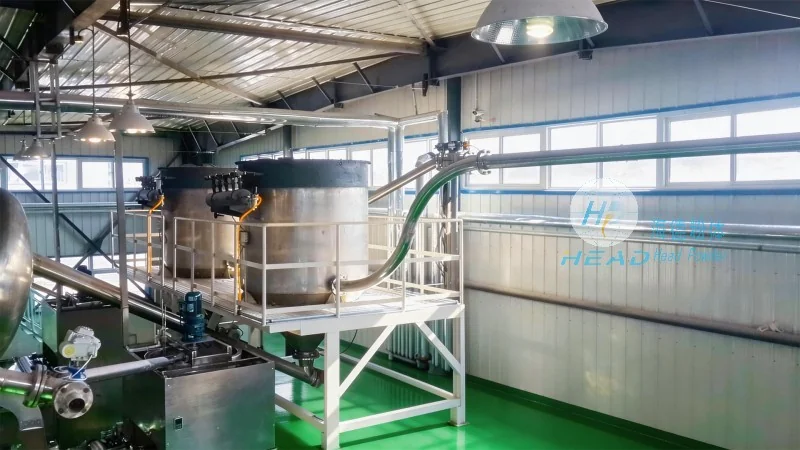
Introduction to Coffee Material Pneumatic Conveying Systems
A coffee material pneumatic conveying system, often referred to as a coffee pneumatic conveyor, is a type of bulk material handling equipment that uses compressed air or other gases to move coffee products from one location to another. Unlike traditional mechanical conveyors, which rely on belts or chains, pneumatic systems utilize air pressure to create a flow of material through a network of pipes or hoses. This method is especially suitable for coffee because it minimizes the risk of contamination and preserves the integrity of the coffee beans or grounds.
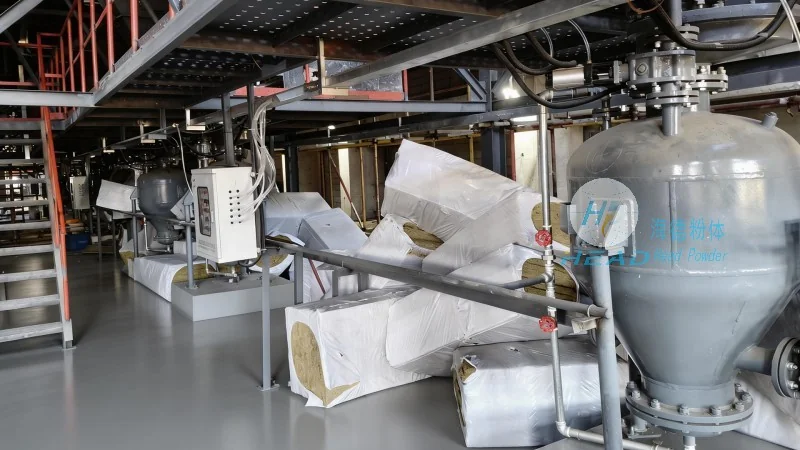
Key Components of a Pneumatic Conveying System
At the core of any coffee material pneumatic conveying system are several key components that work together to ensure smooth and efficient operation. The primary components include a conveying line (such as a stainless steel pipe or hose), a blower or air compressor that generates the necessary air pressure, a feed hopper or inlet where the coffee material is loaded, and a discharge point where the material is released. Additionally, many systems include filters to remove any particles from the air stream and regulators to control the air pressure and flow rate. These components are carefully designed to handle the unique characteristics of coffee, such as its density, moisture content, and potential for dust generation.
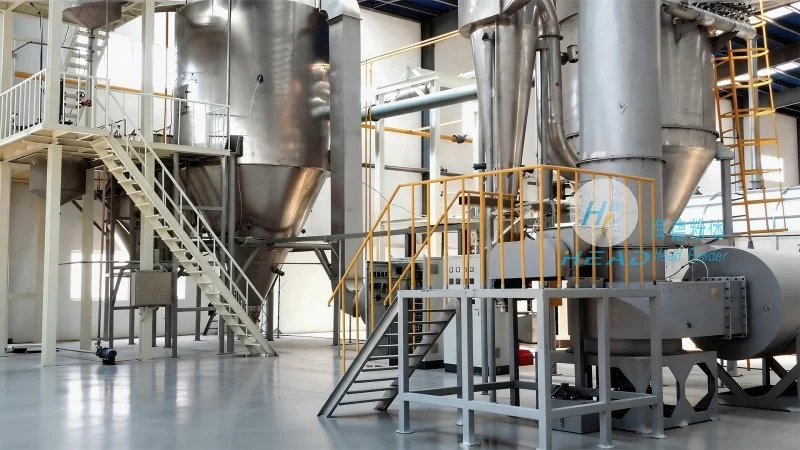
Design Principles for Efficient Coffee Material Handling
The design of a coffee material pneumatic conveying system follows specific principles to ensure optimal performance and minimal product degradation. One of the most critical principles is maintaining a consistent air velocity within the conveying line. The air velocity must be high enough to keep the coffee material suspended in the air stream but not so high that it causes excessive wear on the system components or leads to product damage. Typically, air velocities range from 20 to 30 meters per second for coffee, depending on the material's characteristics and the system's configuration. Another key principle is the use of appropriate pipe diameters and bends. Larger pipe diameters reduce friction losses and improve flow, while smooth bends and gradual transitions minimize pressure drops and prevent material buildup. The system is also designed to be hygienic and easy to clean, with stainless steel construction and sealed connections to prevent contamination from external sources.
Applications in the Coffee Industry
Coffee material pneumatic conveying systems are widely used in various stages of coffee processing and distribution. In the raw coffee stage, they are used to transport coffee beans from storage silos to roasting machines or to move them between different processing areas. During the roasting process, pneumatic conveyors can be used to transfer roasted beans from the roaster to cooling systems or to packaging lines. After roasting, the system can handle ground coffee or other coffee products, moving them from grinding machines to storage bins or to packaging equipment. Additionally, these systems are used in quality control processes, where they can transport samples of coffee for testing and analysis. The flexibility of pneumatic conveying allows it to adapt to different production volumes and layouts, making it a versatile solution for coffee processing facilities.
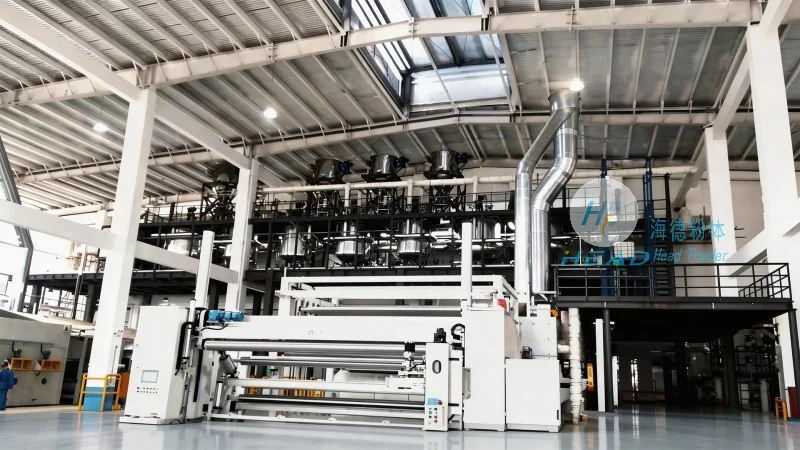
The Role of HeadPowder in Coffee Material Handling Solutions
Shandong HeadPowder Engineering Co., Ltd., commonly known as HeadPowder, is a leading provider of coffee material handling solutions, including pneumatic conveying systems. With headquarters in Shandong, China, HeadPowder specializes in designing and manufacturing customized equipment tailored to the specific needs of coffee producers. The company's expertise lies in understanding the unique challenges of coffee material handling, such as maintaining product quality, ensuring hygienic conditions, and optimizing operational efficiency. HeadPowder's team of engineers works closely with clients to develop systems that meet their production requirements while adhering to industry standards. The company's products are built with high-quality materials, such as stainless steel, to ensure durability and resistance to corrosion, which is essential for handling coffee products that may contain moisture or oils. HeadPowder's commitment to innovation and customer satisfaction has made it a trusted partner for coffee processing facilities worldwide.