

Corn Starch Material Pneumatic Conveying Machine: What It Is and Its Design Principles
A corn starch material pneumatic conveying machine is a specialized piece of industrial equipment designed to transport corn starch or similar fine powders through a pipeline using air or other gas as the conveying medium. This technology offers a dust-free, efficient, and flexible method for moving bulk materials, making it particularly valuable in food processing, pharmaceuticals, and chemical industries where maintaining product purity and preventing contamination is critical. The machine operates by creating a pressure differential within the system, drawing the material into the pipeline and propelling it to the destination. Unlike traditional mechanical conveyors, pneumatic systems eliminate the need for moving parts in contact with the product, reducing the risk of cross-contamination and ensuring a hygienic handling process.

Key Components and Working Principle
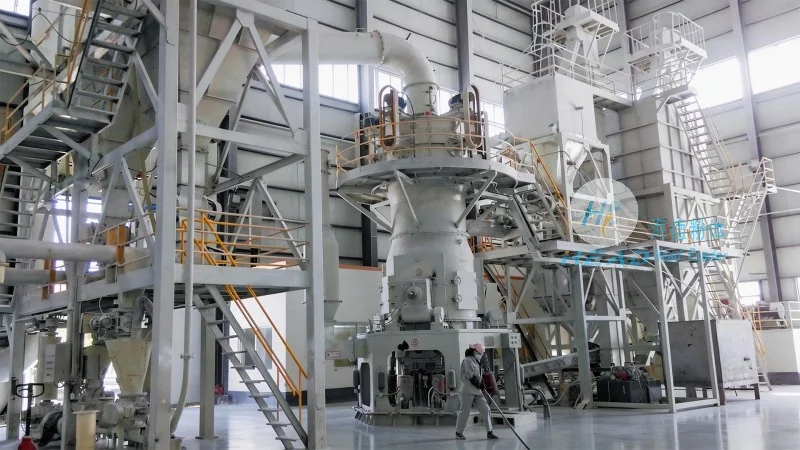
The design of a corn starch pneumatic conveying machine typically involves several core components that work in tandem to achieve efficient material transport. The primary components include a hopper for material storage, a feeder to control the flow rate, a conveying pipeline, a blower or compressor to generate the air pressure, and a receiver for the discharged material. The working principle revolves around the use of differential pressure: the blower creates a low-pressure zone at the material inlet, which draws the corn starch into the pipeline. Simultaneously, the high-pressure air at the discharge end pushes the material forward. The velocity of the air and the size of the particles determine the conveying velocity, with the machine designed to maintain optimal air-to-material ratios to prevent blockages and ensure smooth flow. For corn starch, which is a fine powder, the system is often optimized with features such as cyclone separators or filter bags to capture any fines that might escape, maintaining the purity of the material throughout the process.
Design Principles for Efficient Corn Starch Transport
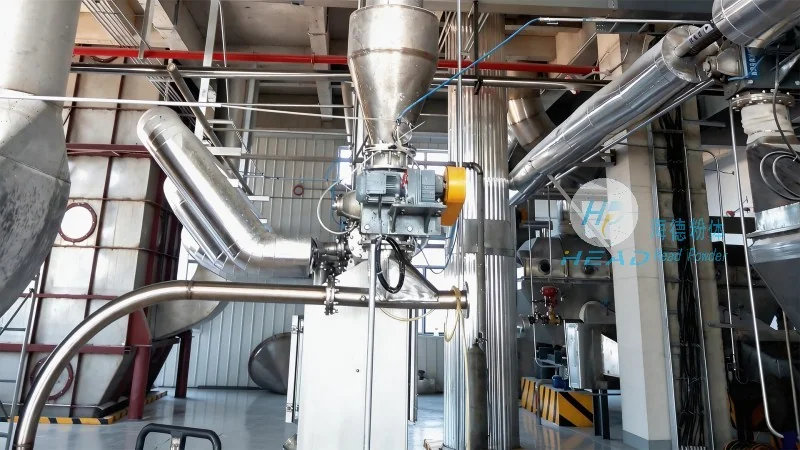
Designing a pneumatic conveying system for corn starch requires careful consideration of several factors to ensure reliability and performance. First, the material's properties, such as its particle size, density, and moisture content, are critical. Corn starch particles are typically fine and can be prone to bridging or agglomeration in hoppers, which can lead to uneven flow. Therefore, the hopper design often incorporates features like cone-shaped bottoms, vibrators, or air-swept systems to prevent these issues and maintain consistent material feed. The feeder, usually a rotary valve or a screw feeder, is chosen to provide a controlled and uniform flow rate, which is essential for stable conveying. The pipeline diameter and length are also carefully calculated based on the material's flow characteristics and the required conveying velocity. The blower's capacity and pressure are matched to the system's resistance, ensuring sufficient air flow to move the corn starch without excessive energy consumption. Additionally, the system may include features like pulse-jet cleaning for filters or pressure relief valves to prevent over-pressurization, enhancing safety and operational longevity.
Applications and Benefits in Industrial Settings
Corn starch material pneumatic conveying machines are widely used in various industrial applications where the transport of fine powders is required. In the food industry, they are commonly employed in the processing of corn starch for use in food products, such as baking powders, thickeners, and as a stabilizer in dairy and beverage applications. The hygienic design of these machines, with smooth surfaces and easy-to-clean components, makes them suitable for food processing environments where compliance with regulations like FDA or EU food safety standards is mandatory. In the pharmaceutical industry, the same principles are applied to transport starch-based excipients or active ingredients, ensuring that the material remains free from contaminants and is handled under sterile conditions. The benefits of using pneumatic conveying for corn starch include reduced labor costs due to automated material handling, lower maintenance compared to mechanical systems, and the ability to transport materials over long distances without the need for intermediate storage. Furthermore, the system's flexibility allows for easy integration with existing production lines, enabling manufacturers to adapt to changing production schedules or product formulations without significant modifications.
Company Introduction: Shandong HeadPowder Engineering Co., Ltd.
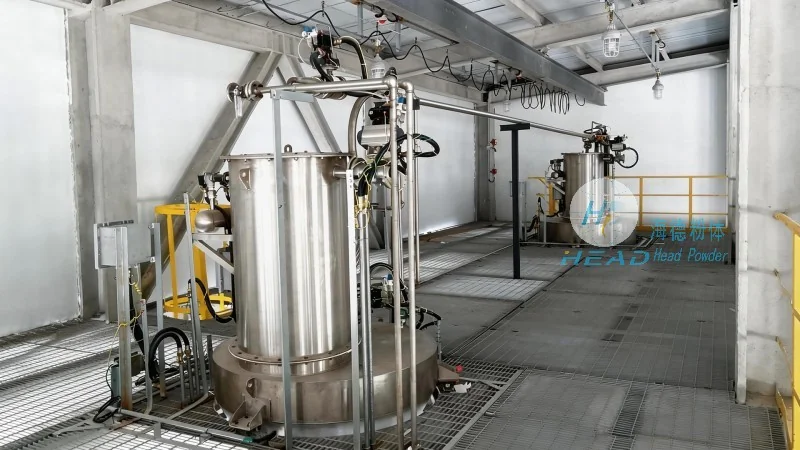
HeadPowder, or Shandong HeadPowder Engineering Co., Ltd., is a leading manufacturer specializing in the design and production of pneumatic conveying equipment for various bulk materials, including corn starch. With a strong focus on innovation and quality, the company has established itself as a trusted partner in the industry, providing customized solutions tailored to the specific needs of its clients. HeadPowder's team of engineers and technicians work closely with customers to understand their operational requirements, material characteristics, and production goals, ensuring that the delivered equipment meets the highest standards of performance and reliability. The company's facilities, located in Shandong, China, are equipped with advanced manufacturing capabilities and rigorous quality control processes, guaranteeing that each product is built to withstand the demands of industrial use. HeadPowder's commitment to customer satisfaction and technological advancement has made it a preferred choice for businesses seeking efficient and reliable material handling solutions.