

What is a Powder Electrolyte Material Pneumatic Conveying Machine? What is its Design Principle?
For industrial applications that require the efficient and safe handling of fine powders, especially those used in electrolyte production, specialized equipment is essential. This article explores the concept of a powder electrolyte material pneumatic conveying machine, detailing its design principles and operational benefits.
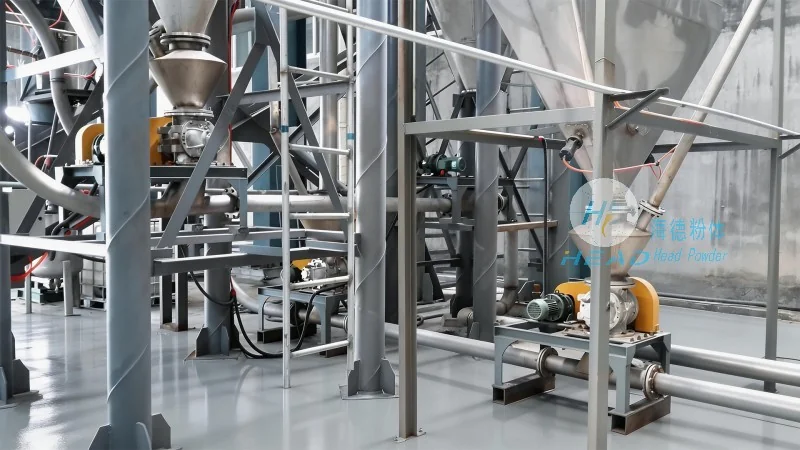
Pneumatic Conveying Systems for Electrolyte Powders
At the core of many modern manufacturing processes, the transport of fine powders such as those used in electrolyte production demands reliable and efficient equipment. A powder electrolyte material pneumatic conveying machine is a specialized system designed to move these materials through a pipeline using pressurized air or other gas streams. This method offers advantages over traditional mechanical conveyors, including reduced risk of contamination, lower maintenance requirements, and the ability to handle materials in a closed system, which is critical for maintaining product purity and safety.
Design Principles of the Pneumatic Conveying Machine
The design of a powder electrolyte material pneumatic conveying machine is built on several key principles to ensure optimal performance. First, the system must be capable of generating sufficient air pressure to move the powder particles through the pipeline. This is typically achieved through a combination of positive displacement blowers or rotary lobe compressors, which provide the necessary force to overcome resistance from the powder and the pipeline itself. Second, the design incorporates a hopper or feeder that can reliably feed the powder into the conveying line, ensuring a consistent flow rate. The hopper is often equipped with a rotary valve or a star feeder to control the discharge of material, preventing blockages and maintaining a steady supply.
Third, the pipeline design is critical for minimizing pressure loss and ensuring efficient transport. The diameter and length of the pipeline are carefully calculated based on the powder's properties, such as particle size, density, and flowability. The use of smooth, corrosion-resistant materials like stainless steel is common to prevent material buildup and ensure long-term durability. Additionally, the system may include features like expansion joints or bends with low friction to reduce energy consumption and maintain the integrity of the conveyed material.
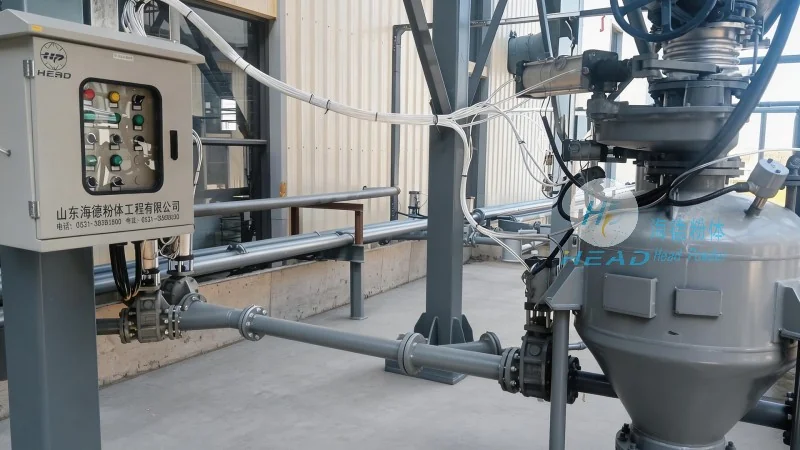
Components and Operational Mechanism
A powder electrolyte material pneumatic conveying machine consists of several key components that work in tandem to achieve the desired transport. The primary components include a material hopper, a rotary feeder, a blower or compressor, a pipeline system, and a discharge unit. The material hopper stores the electrolyte powder and feeds it to the feeder, which regulates the flow into the conveying line. The blower or compressor generates the air pressure needed to move the powder particles, creating a stream that carries the material through the pipeline. The pipeline then transports the powder to the discharge point, where it is collected in a receiving container or directly into the next stage of the production process.
The operational mechanism involves the creation of a low-pressure or high-pressure air stream within the pipeline. When the feeder opens, the powder is drawn into the air stream, forming a dense phase or dilute phase flow depending on the system design. In a dense phase system, the powder is carried in a concentrated stream with minimal air, reducing the risk of segregation and ensuring a more uniform flow. In a dilute phase system, the powder is suspended in a larger volume of air, which is more suitable for longer distances or when handling materials with lower flowability. The choice between these systems depends on the specific characteristics of the electrolyte powder and the requirements of the application.
Advantages of Using a Pneumatic Conveying Machine
Implementing a powder electrolyte material pneumatic conveying machine offers several advantages over traditional conveying methods. One of the most significant benefits is the ability to handle materials in a closed system, which prevents contamination from external sources and minimizes dust emissions, making it ideal for applications where product purity is paramount. Additionally, the system is less prone to blockages compared to mechanical conveyors, as the air stream helps to keep the powder moving and prevents material buildup in the pipeline. This reduces downtime and maintenance costs, contributing to overall operational efficiency.
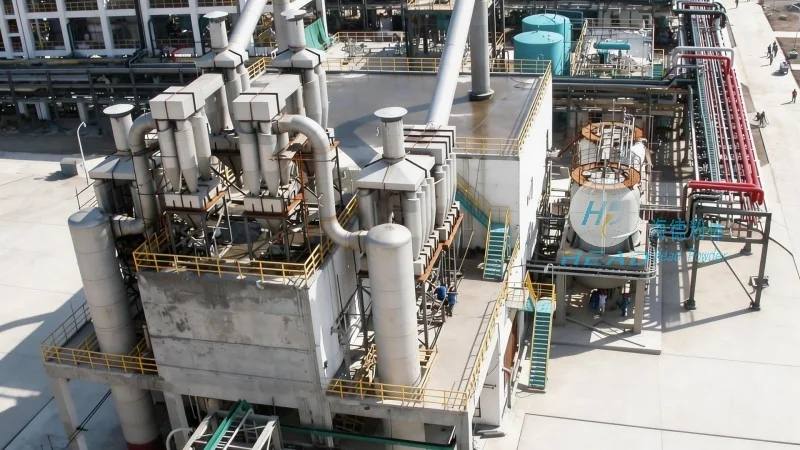
Another advantage is the flexibility of the system. Pneumatic conveying machines can be easily integrated into existing production lines and can transport materials over varying distances, from short runs within a facility to longer distances between different production stages. The system can also handle a wide range of powder properties, including different particle sizes, densities, and flowabilities, making it a versatile solution for various electrolyte production processes. Furthermore, the use of stainless steel components ensures durability and resistance to corrosion, which is essential for handling chemicals and other materials commonly used in electrolyte manufacturing.
Applications in Electrolyte Production
Powder electrolyte material pneumatic conveying machines are widely used in the production of various electrolytes, including those used in batteries, electronics, and chemical industries. In battery manufacturing, for example, these machines are used to transport active materials such as lithium carbonate or lithium hydroxide, which are critical components in lithium-ion batteries. The precision and reliability of the system ensure that the materials are delivered to the next stage of production with minimal loss and consistent quality. Similarly, in the electronics industry, the system is used to handle fine powders used in the production of capacitors and other electronic components, where purity and uniformity are essential for product performance.
In the chemical industry, pneumatic conveying machines are used to transport electrolyte powders used in processes such as electroplating and corrosion protection. The closed system design helps to maintain the integrity of the materials and prevents contamination, which is crucial for achieving consistent results in these applications. The ability to handle materials with different properties also makes the system suitable for a variety of chemical processes, where the transport of powders is a critical step in the production workflow.
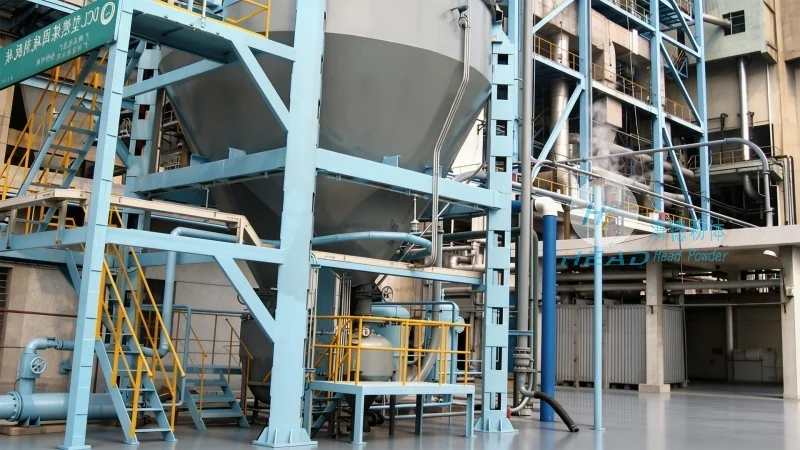
Considerations for Installation and Maintenance
When installing a powder electrolyte material pneumatic conveying machine, several factors must be considered to ensure optimal performance. First, the location of the system should be chosen to minimize the length of the pipeline and reduce pressure losses. The pipeline should be laid out with gentle slopes to prevent material settling and ensure smooth flow. Additionally, the system should be equipped with appropriate filters and cyclones to separate the powder from the air stream, preventing dust buildup in the equipment and ensuring clean operation.
Maintenance of the pneumatic conveying machine is relatively straightforward but requires regular attention to ensure longevity. Key components such as the blower, feeder, and pipeline should be inspected regularly for wear and tear. The rotary valve or star feeder should be checked for proper operation to prevent blockages, and the pipeline should be cleaned periodically to remove any accumulated material. Regular lubrication of moving parts and replacement of worn components are also essential to maintain the system's efficiency and prevent breakdowns.
Conclusion
A powder electrolyte material pneumatic conveying machine is a critical piece of equipment for industries that rely on the efficient and safe handling of fine powders used in electrolyte production. By understanding its design principles and operational mechanisms, manufacturers can select and implement the most suitable system for their specific needs. The advantages of closed system operation, reduced contamination risk, and flexibility make these machines an essential component in modern electrolyte production processes. With proper installation and maintenance, a pneumatic conveying machine can provide reliable and efficient transport of electrolyte powders, contributing to improved productivity and product quality.