

What is a Small Bag Weighing and Feeding Pneumatic Conveying Machine? And Its Design Principles
Small bag weighing and feeding material pneumatic conveying machines are specialized industrial equipment designed to handle bulk materials efficiently by combining weighing, feeding, and pneumatic conveying functions. These machines are widely used in various industries such as pharmaceuticals, food processing, chemicals, and minerals, where precise material handling and controlled feeding are critical for production processes.
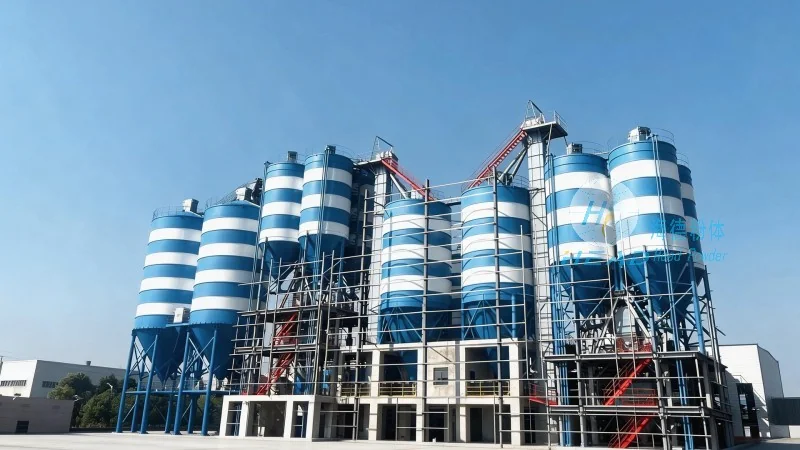
Understanding the Core Functionality of Small Bag Weighing and Feeding Pneumatic Conveying Machines
At the heart of these machines lies the integration of several key components that work in tandem to ensure accurate material transfer. The system typically starts with a small bag, which is placed on a weighing platform or hopper. As the bag is opened or the material is released, the machine measures the weight of the material in real-time. This weighing data is then used to control the feeding rate, ensuring that the correct amount of material is conveyed to the next stage of the process. The pneumatic conveying component uses air pressure to transport the material from the weighing and feeding section to the final destination, such as a silo, storage tank, or processing unit.
The Design Principles Behind Small Bag Weighing and Feeding Pneumatic Conveying Machines
The design of these machines is based on several fundamental principles to achieve high accuracy and reliability. One of the primary principles is the use of a closed-loop control system that continuously monitors the weight of the material and adjusts the feeding rate accordingly. This closed-loop system helps to minimize variations in material flow, ensuring consistent and precise feeding. Another key design principle is the integration of a dust collection system, which is essential for maintaining a clean and safe working environment, especially when handling powders or fine particles. The machine also incorporates features like automatic bag opening and closing mechanisms, which enhance operational efficiency and reduce manual labor.
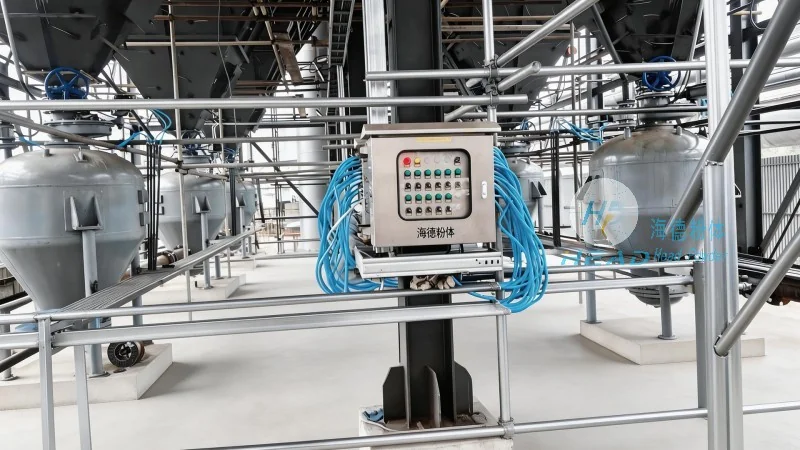
Key Components and Their Roles in the System
Several critical components contribute to the effective operation of small bag weighing and feeding pneumatic conveying machines. The weighing module, often equipped with a load cell, provides accurate weight measurements. The feeding mechanism, which may include a screw feeder or a rotary valve, controls the flow of material from the bag to the pneumatic conveyor. The pneumatic conveyor itself uses a blower or compressor to generate the necessary air pressure, while a filter and cyclone separator are used to clean the air and prevent material buildup. Additionally, the system may include a material discharge valve and a storage hopper to manage the flow of material to downstream processes.
Advantages of Using Small Bag Weighing and Feeding Pneumatic Conveying Machines
Implementing small bag weighing and feeding pneumatic conveying machines offers numerous advantages for industrial applications. Firstly, they provide high accuracy in material weighing and feeding, which is crucial for maintaining product quality and consistency. This precision helps to reduce waste and improve overall production efficiency. Secondly, the pneumatic conveying aspect allows for the safe and efficient transport of materials over long distances without the need for mechanical components like belts or chains, which can be prone to wear and tear. Thirdly, these machines are designed for easy integration into existing production lines, making them a versatile solution for various industrial settings. Finally, the automated features, such as bag handling and material discharge, reduce the need for manual intervention, enhancing safety and operational efficiency.
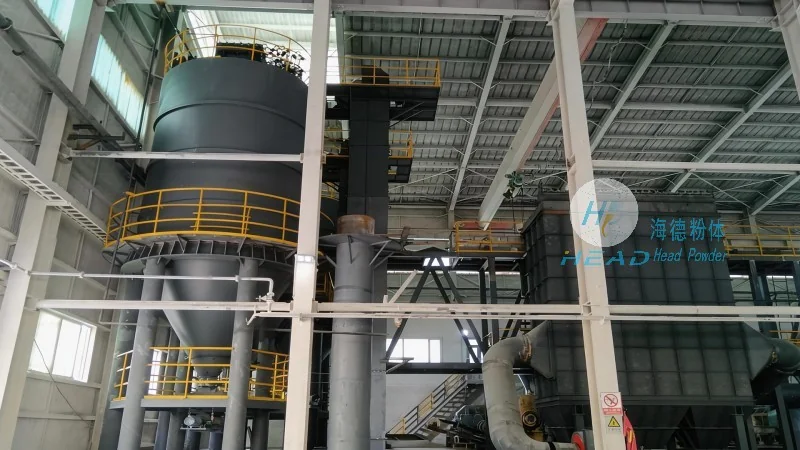
Applications and Industries Where These Machines Are Used
Small bag weighing and feeding pneumatic conveying machines are versatile and find applications in a wide range of industries. In the pharmaceutical industry, they are used to handle active pharmaceutical ingredients (APIs) and excipients with high precision, ensuring compliance with stringent quality standards. In the food processing industry, they are employed to handle powders like flour, sugar, and spices, maintaining hygiene and preventing contamination. The chemical industry utilizes these machines for transporting fine chemicals and powders, while the minerals and mining sector uses them to process and transport raw materials like ores and coal. These machines are also suitable for use in research and development laboratories, where precise material handling is essential for experimental work.
Conclusion: The Importance of Small Bag Weighing and Feeding Pneumatic Conveying Machines in Modern Manufacturing
Small bag weighing and feeding pneumatic conveying machines represent a critical advancement in material handling technology, offering a combination of precision, efficiency, and automation. By integrating weighing, feeding, and pneumatic conveying functions, these machines enable industries to achieve higher levels of productivity and product quality. The design principles and components used in these systems are carefully engineered to ensure reliability and durability, making them a long-term investment for industrial operations. As industries continue to demand more precise and efficient material handling solutions, the role of small bag weighing and feeding pneumatic conveying machines will only become more significant in modern manufacturing processes.