High-Calcium Limestone Powder Material Handling: What It Is and Its Design Principles
Release time:2026-09-14 23:03:27
name of the company:Shandong Headpowder Engineering Co., Ltd.
telephone:156-6277-7102
contacts:Manager Zhang
High-calcium limestone powder is a critical raw material in numerous industrial sectors, including cement production, chemical manufacturing, and construction. The efficient handling and transportation of this fine powder are essential for maintaining production efficiency and product quality. This article examines the concept of high-calcium limestone powder material handling and explores the core design principles that ensure optimal performance in industrial applications.
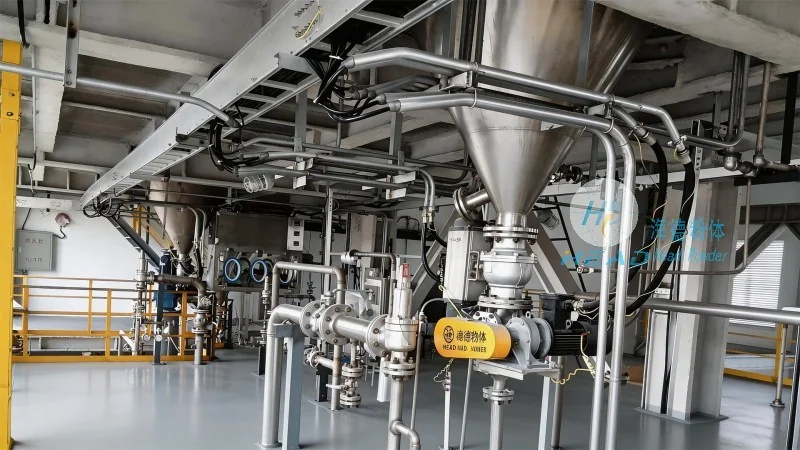
HeadPowder, a leading provider of material handling solutions, specializes in engineering systems tailored for the unique challenges of high-calcium limestone powder. With a strong operational base in Shandong, China, the company has established a reputation for delivering reliable and efficient material handling systems that meet the stringent requirements of modern industrial operations. The following sections will outline the key aspects of high-calcium limestone powder material handling and the design principles that underpin effective system performance.
Understanding High-Calcium Limestone Powder
High-calcium limestone powder, commonly referred to as limestone powder or calcium carbonate powder, is a fine-grained material derived from limestone. It is characterized by its high calcium carbonate content, typically ranging from 90% to 95% or higher. This material is widely utilized as a filler or coagulant in industries such as cement, plastics, and paper manufacturing. The fine particle size and chemical properties of high-calcium limestone powder make it challenging to handle, as it can easily cause dust, caking, and blockages in conventional material handling systems. Therefore, specialized equipment and design approaches are essential to ensure safe and efficient transportation.
Design Principles for High-Calcium Limestone Powder Handling Systems
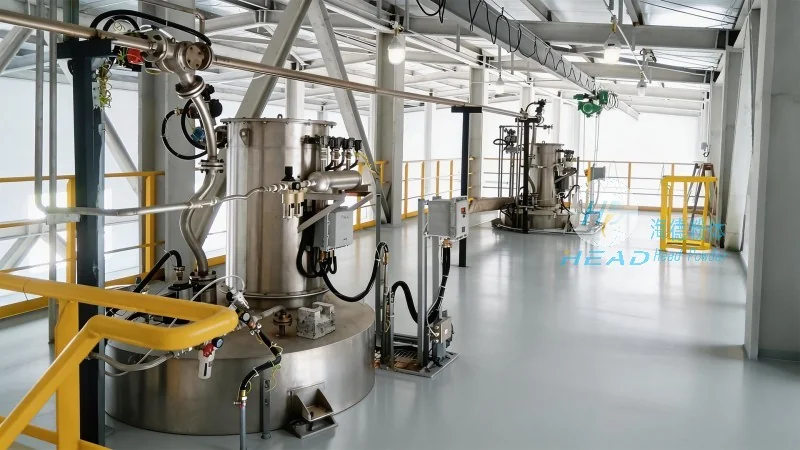
The design of high-calcium limestone powder handling systems must address several key challenges, including dust control, material flow optimization, and equipment durability. The following principles are fundamental to creating an effective system:
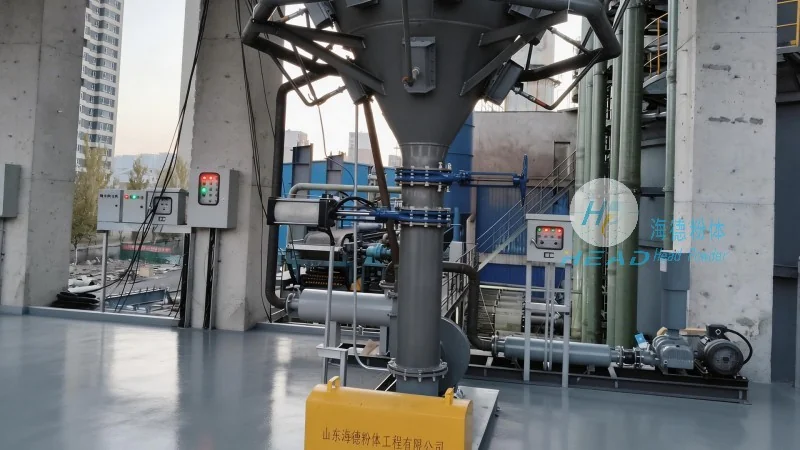
- Dust Suppression and Containment: High-calcium limestone powder is a fine powder that can generate significant dust during handling. Effective dust control measures, such as enclosed conveyor systems, dust collection systems, and proper ventilation, are critical to maintaining a safe working environment and preventing product loss.
- Material Flow Optimization: The fine particle size of high-calcium limestone powder can lead to poor flow characteristics, such as bridging and rat-holing. To mitigate these issues, systems often incorporate specialized components like vibrators, aerators, and flow aids. These devices help maintain consistent material flow and prevent blockages in hoppers, silos, and conveyors.
- Equipment Selection and Durability: The abrasive nature of high-calcium limestone powder requires the use of corrosion-resistant and wear-resistant materials in system components. Components such as hoppers, chutes, and conveyor belts are typically made from materials like stainless steel, polyurethane, or special alloys to withstand the wear and tear caused by the fine powder.
- Integration with Processing Lines: High-calcium limestone powder handling systems are often integrated with larger processing lines. The design must ensure seamless transfer between storage, conveying, and processing stages, minimizing downtime and maximizing overall system efficiency.
Key Components of High-Calcium Limestone Powder Handling Systems
Effective high-calcium limestone powder handling systems typically consist of several key components, each designed to address specific operational needs:
- Storage Silos: Large storage silos are used to store bulk quantities of high-calcium limestone powder. These silos are often equipped with aeration systems to prevent caking and maintain consistent material flow. The design of the silo, including its shape and internal surfaces, is critical to ensuring smooth discharge and preventing material buildup.
- Conveying Systems: Conveyors, such as belt conveyors or pneumatic conveying systems, are used to transport the powder from storage silos to processing units. Belt conveyors are common for horizontal and slight incline transport, while pneumatic conveying systems are ideal for long-distance or vertical transport, especially when dust control is a priority.
- Hoppers and Feeders: Hoppers are used to collect material from silos and feed it into conveying systems or processing equipment. Properly designed hoppers with smooth internal surfaces and appropriate discharge points help prevent material bridging and ensure consistent flow. Feeders, such as rotary valves or vibratory feeders, regulate the flow rate of the powder to match the requirements of downstream processes.
- Dust Collection Systems: To control dust emissions, high-efficiency dust collection systems are integrated into the material handling process. These systems typically include filters, cyclones, and ventilation fans to capture and remove airborne dust particles, ensuring compliance with environmental regulations and maintaining a safe working environment.
Applications and Benefits of High-Calcium Limestone Powder Handling
High-calcium limestone powder handling systems are widely used in various industrial applications, offering several key benefits:

 Shandong Headpowder Engineering Co., Ltd.
 156-6277-7102(Manager Zhang)
  0531-83386006
  Zhangqiu District, Jinan City, Shandong Province, China