With more than 10‑year industry experience, Shandong Headpowder delivers full‑service pneumatic‑conveying systems and blowers, undertaking nationwide turn‑key powder‑handling projects.
Flake graphite, a form of natural graphite characterized by its plate-like structures, is valued in industrial applications for its electrical conductivity, thermal stability, and lubricating properties. The transportation of this material requires specialized systems to maintain its integrity and ensure operational efficiency. This article examines flake graphite material handling and explores the core design principles that guide effective systems for this unique material.
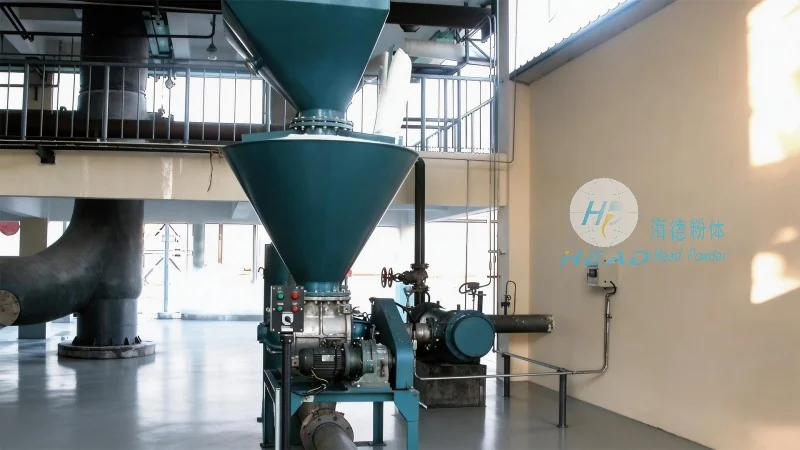
Flake graphite material handling encompasses the processes and technologies used to move, store, and manage flake graphite from its source to end-use applications. Unlike bulk materials, flake graphite is handled with greater control due to its delicate nature and the need to preserve its physical properties. The primary objective of such systems is to maintain the integrity of the graphite flakes while optimizing throughput and operational safety.
The design of flake graphite material handling systems is guided by several critical principles that address the material's characteristics and the requirements of downstream processes. These principles include:
1. **Minimizing Particle Damage and Breakage**: Flake graphite is susceptible to fracturing under impact or excessive pressure. Systems must incorporate gentle handling mechanisms, such as low-friction conveyors, soft-edged containers, and vibration-dampening equipment. This ensures the flakes retain their original size and shape, which is crucial for maintaining quality in applications like battery anodes and lubricants.
2. **Preventing Contamination and Cross-Contamination**: Flake graphite is often used in high-purity applications, such as batteries and refractory materials. Handling systems must be designed to avoid contamination from external sources or other materials. This involves using cleanroom-compatible components, sealed transfer points, and dedicated storage vessels that are regularly inspected and maintained.
3. **Optimizing Flow and Throughput**: Efficient material handling requires smooth, unobstructed flow of the graphite flakes. Designers consider factors like particle size distribution, moisture content, and material density to select appropriate conveyor types (e.g., belt conveyors, screw conveyors, or pneumatic systems) and control mechanisms. The goal is to achieve consistent throughput without bottlenecks or material buildup.
4. **Ensuring Safety and Ergonomics**: Handling flake graphite involves considerations for worker safety and operational ergonomics. Systems may include enclosed conveyor lines to contain dust and fumes, along with safety interlocks and emergency stop mechanisms. Ergonomic design of loading and unloading stations reduces the risk of repetitive strain injuries and improves overall operational safety.
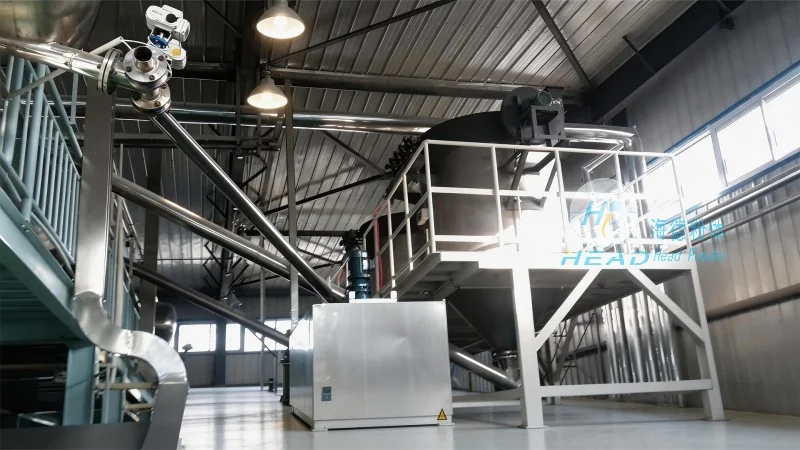
A comprehensive flake graphite material handling system typically consists of interconnected components, each playing a vital role in the process. These components may include:
1. **Feed and Loading Equipment**: This includes hoppers, feeders, and loading mechanisms that introduce the flake graphite into the system. The design of these components is critical to prevent material bridging or segregation, which can disrupt flow. For example, vibratory feeders or rotary valves may be used to ensure a consistent feed rate.
2. **Conveying Systems**: Conveyors are the backbone of material handling, and for flake graphite, they must be selected carefully. Belt conveyors are common for horizontal or slight incline transport, while screw conveyors or pneumatic conveying systems may be used for vertical or longer-distance transport. The choice depends on the system's layout, required throughput, and the need to minimize friction and particle damage.
3. **Storage and Dosing Systems**: After transport, flake graphite is often stored in silos or bulk containers. These storage systems must be designed to maintain material quality and prevent caking or agglomeration. Dosing systems, such as rotary valves or gravimetric feeders, are used to control the precise amount of graphite added to downstream processes, ensuring consistent product quality.
4. **Control and Monitoring Systems**: Modern flake graphite handling systems incorporate advanced control and monitoring technologies to optimize performance and detect issues in real-time. Sensors for level, temperature, and flow, along with programmable logic controllers (PLCs), allow for automated operation and remote monitoring. This helps in maintaining system efficiency, reducing downtime, and ensuring compliance with quality standards.
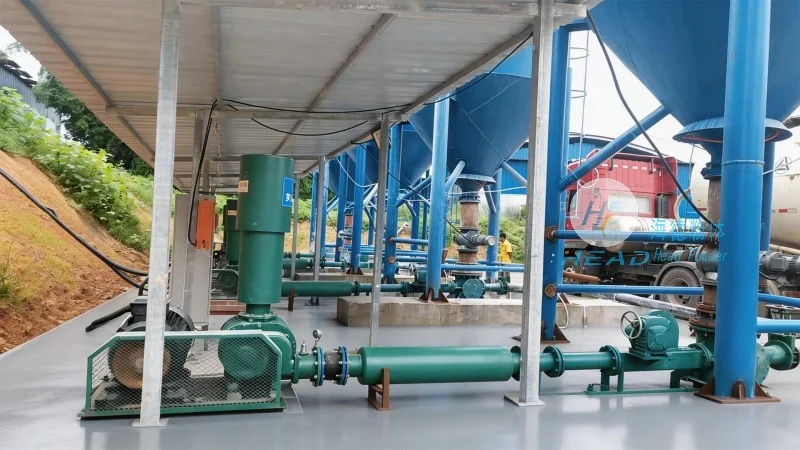
The effective handling of flake graphite is essential for industries that rely on its unique properties. Key applications include:
1. **Battery Manufacturing**: Flake graphite is a primary anode material in lithium-ion batteries, where its high electrical conductivity and ability to form stable solid electrolyte interphases are critical. Efficient material handling ensures the graphite flakes are delivered in the correct form and quantity to the battery production line.
2. **Lubricant Production**: In the manufacturing of high-performance lubricants, flake graphite is used to enhance lubricity and reduce friction. Proper handling systems prevent contamination and maintain the purity of the graphite, which is essential for the quality of the final lubricant product.
3. **Refractory and Foundry Industries**: Flake graphite is used in refractory materials and foundry applications due to its thermal stability and resistance to high temperatures. Handling systems must ensure the graphite remains in a fine, uniform state to achieve optimal performance in these high-temperature processes.
4. **Electronics and Conductive Coatings**: The electrical conductivity of flake graphite makes it valuable in electronic components and conductive coatings. Precise material handling is necessary to maintain the uniformity of the graphite flakes, which directly impacts the performance of the final electronic products.
Flake graphite material handling is a complex process that requires careful consideration of the material's physical properties and the operational goals of the end-user. By adhering to design principles that prioritize gentle handling, contamination control, and efficient flow, manufacturers can ensure the quality and performance of flake graphite in various applications. Companies like Shandong HeadPowder Engineering Co., Ltd., based in China, specialize in developing and implementing such specialized systems, leveraging years of experience to meet the unique needs of industries that rely on flake graphite.

 Shandong Headpowder Engineering Co., Ltd.
 156-6277-7102(Manager Zhang)
  0531-83386006
  Zhangqiu District, Jinan City, Shandong Province, China
telephone
WeChatconsult
top