

What is a Tonne Bag Stainless Steel Material Pneumatic Conveying Machine? And What Are Its Design Pr
For industries dealing with bulk materials, especially those requiring high standards of hygiene and durability, the choice of equipment for material handling is critical. Among the various solutions available, the tonne bag stainless steel material pneumatic conveying machine stands out as a robust and efficient option. This equipment is specifically designed to handle materials from tonne bags, ensuring a clean, safe, and reliable transfer process. In this article, we will explore what this machine is and delve into its fundamental design principles.
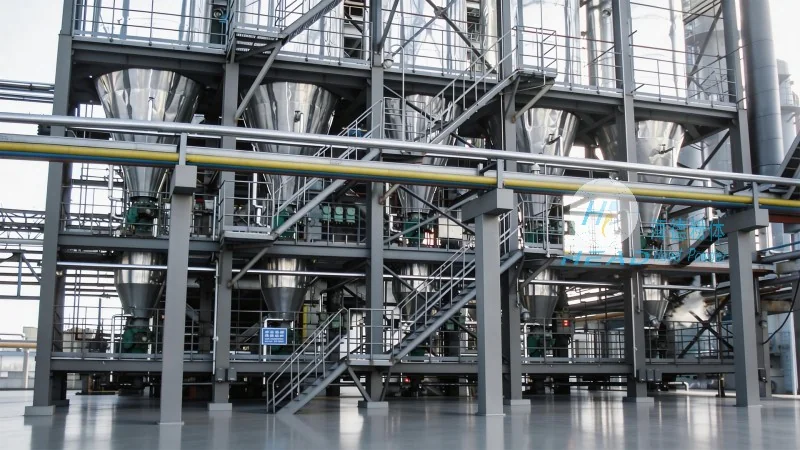
Understanding the Tonne Bag Stainless Steel Material Pneumatic Conveying Machine
The tonne bag stainless steel material pneumatic conveying machine is a specialized system engineered to transport bulk materials from large tonne bags into processing or storage facilities. It is particularly favored in industries such as food processing, pharmaceuticals, and chemical manufacturing, where maintaining a sterile and contamination-free environment is paramount. The machine utilizes a pneumatic system, meaning it relies on air pressure to move materials through a network of pipes and components. This method eliminates the need for mechanical parts that could come into direct contact with the material, thus preserving the purity and quality of the product.
Key Components and Their Functions
To understand the design principles, it is essential to recognize the key components that make up this pneumatic conveying system. The primary components include the hopper, the airlock, the conveying line, and the receiver. The hopper is where the tonne bag is placed, and it serves as the initial collection point for the material. It is typically made from stainless steel to prevent corrosion and maintain hygiene standards. The airlock, often a rotary valve or a rotary airlock feeder, is crucial as it controls the flow of material from the hopper into the conveying line, preventing backflow and ensuring a steady supply of material.
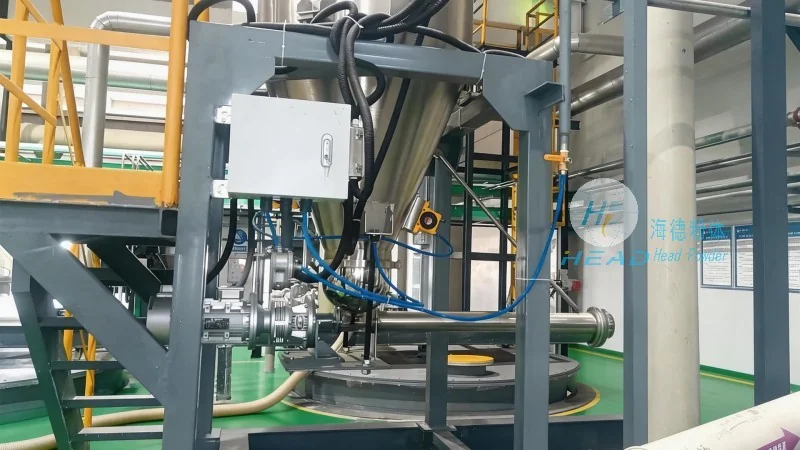
The conveying line consists of a series of pipes connected to a blower or a vacuum pump. The blower generates the necessary air pressure or vacuum to move the material particles through the system. The receiver is the final destination where the material is deposited, such as a silo or a storage tank. Each component is designed to work in harmony, ensuring efficient and reliable material transfer. The use of stainless steel throughout the system is a deliberate choice, as it offers excellent resistance to corrosion, easy cleaning, and compliance with industry hygiene regulations.
Design Principles for Efficient Material Handling
The design of the tonne bag stainless steel material pneumatic conveying machine is guided by several key principles aimed at maximizing efficiency, safety, and durability. One of the core principles is the minimization of material contact with non-stainless steel surfaces. This is achieved by using all stainless steel components, which prevents contamination and ensures that the material remains in its original state. Another principle is the optimization of air flow and pressure to achieve the best possible conveying efficiency. Engineers carefully calculate the air velocity and pressure required to move the specific material, taking into account factors such as particle size, density, and moisture content.
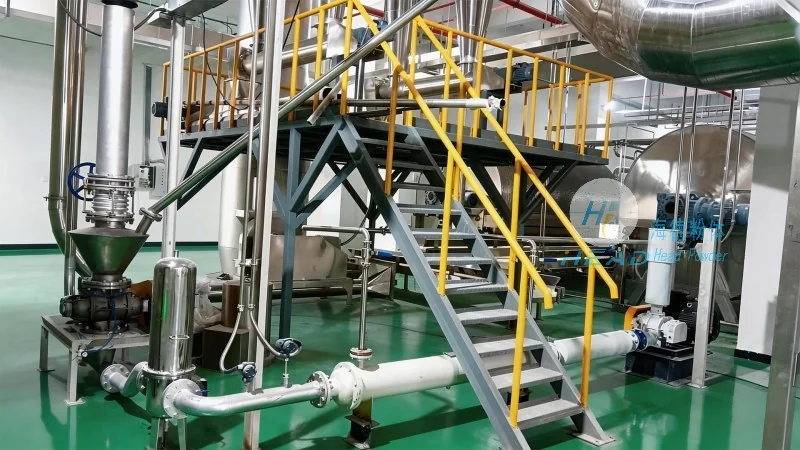
Another important design principle is the consideration of material flow and the prevention of blockages. The system is designed with smooth transitions and appropriate pipe diameters to ensure that the material moves freely without getting stuck. The airlock and hopper are designed to handle different material characteristics, such as cohesive or free-flowing powders, by adjusting the speed of the rotary valve or the hopper's design. This adaptability makes the machine suitable for a wide range of applications. Additionally, the design incorporates safety features to protect both the equipment and the operators. For example, the system may include pressure relief valves to prevent over-pressurization and sensors to monitor the flow of material and air.
Applications and Benefits in Industrial Settings
The tonne bag stainless steel material pneumatic conveying machine is widely used in various industrial applications where bulk materials need to be handled with precision and care. In the food industry, for instance, it is used to transfer ingredients like flour, sugar, and spices from tonne bags into processing lines, ensuring that the products remain free from contaminants and maintain their quality. In the pharmaceutical industry, it is employed to handle active pharmaceutical ingredients (APIs) and other sensitive materials, where any contamination could have serious health implications. The chemical industry also benefits from this equipment when handling chemicals that are corrosive or hazardous, as the stainless steel construction provides a safe and durable solution.
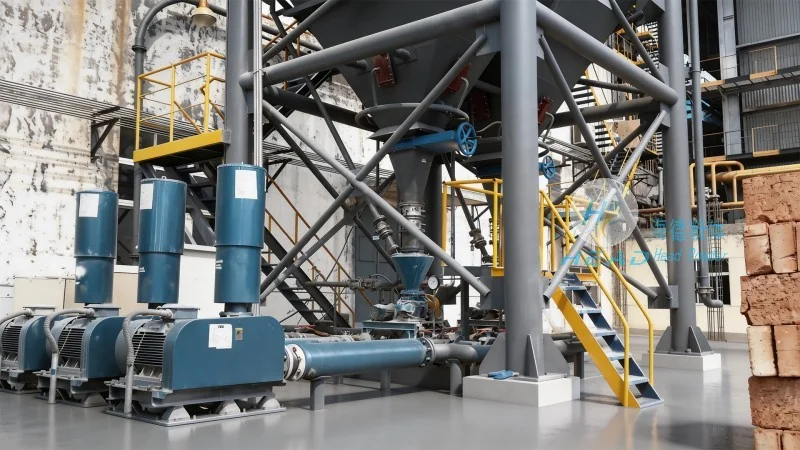
One of the significant benefits of this machine is its ability to handle large volumes of material efficiently. Unlike traditional mechanical conveyors, which may require multiple components and more maintenance, the pneumatic system can transport materials over longer distances with fewer moving parts. This reduces downtime and maintenance costs, making it a cost-effective solution for many businesses. Furthermore, the stainless steel construction ensures that the equipment has a long service life, reducing the need for frequent replacements and repairs. The system is also easy to clean and maintain, which is crucial in industries where hygiene is a top priority.
Conclusion
In conclusion, the tonne bag stainless steel material pneumatic conveying machine is a sophisticated piece of equipment designed to meet the demanding needs of modern industrial applications. Its design, based on principles of efficiency, safety, and durability, ensures that bulk materials can be handled with precision and care. The use of stainless steel throughout the system provides a hygienic and corrosion-resistant solution, making it ideal for industries such as food, pharmaceuticals, and chemicals. As a result, this equipment plays a vital role in improving operational efficiency and maintaining product quality in various industrial settings.