

What is a Glass Particle Material Pneumatic Conveying Machine? What are its Design Principles?
For industrial operations handling glass particles, the selection of an efficient and reliable material handling system is crucial. A glass particle material pneumatic conveying machine, also known as a pneumatic conveyor, is a specialized equipment designed to transport glass particles through a pipeline using air or gas as the conveying medium. This technology offers a non-contact, dust-free, and flexible solution for moving glass materials from one location to another, making it ideal for various applications in the glass manufacturing and processing industries.
Key Features and Benefits of Pneumatic Conveying Systems
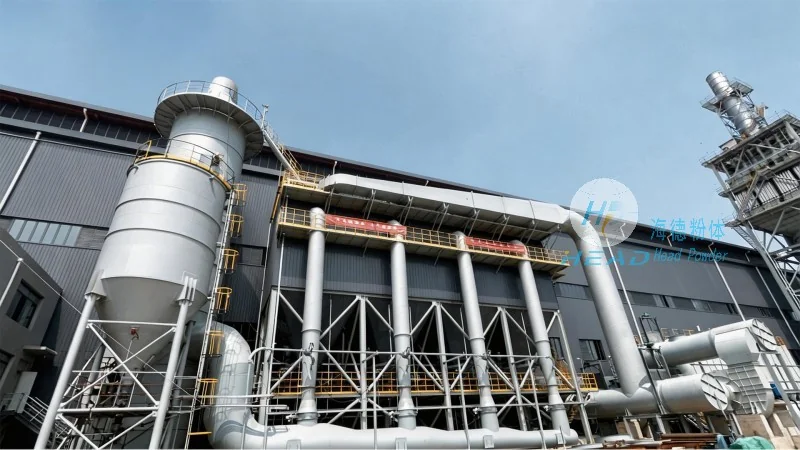
HeadPowder, a leading manufacturer based in Shandong, China, specializes in the design and production of advanced pneumatic conveying equipment tailored for glass particle handling. The glass particle material pneumatic conveying machine from HeadPowder is engineered to meet the unique demands of glass processing, ensuring high efficiency, low maintenance, and consistent performance. Key features include:
- Adaptive air pressure control to handle different particle sizes and densities of glass materials.
- Robust construction with corrosion-resistant materials suitable for glass dust and particles.
- Integrated filtration and cleaning systems to maintain air quality and prevent particle buildup.
- Modular design allowing for easy installation and integration into existing production lines.
Design Principles of Pneumatic Conveying Machines
The design principles of a glass particle material pneumatic conveying machine revolve around the fundamental physics of fluidized transport. The core components include a hopper for material storage, a blower or compressor to generate air flow, a pipeline system for material transport, and a receiver for material discharge. The operation typically involves feeding glass particles into the hopper, where they are drawn into the pipeline by the air flow generated by the blower. The air velocity is carefully controlled to ensure the particles remain suspended and transported without clogging or degradation.
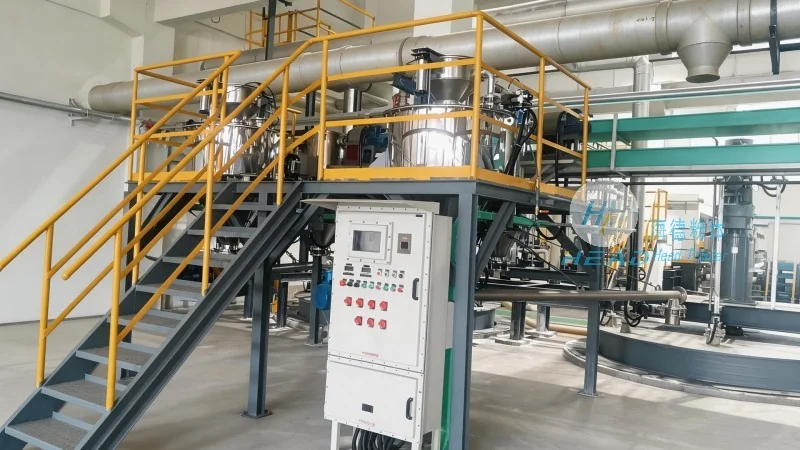
HeadPowder's engineers apply advanced engineering principles to optimize the design of these machines. They consider factors such as particle size distribution, material density, and the desired conveying distance to determine the appropriate air pressure and flow rate. The machine's design also incorporates features to minimize particle attrition and maintain the quality of the glass material during transport. For instance, the use of smooth, non-abrasive internal surfaces reduces wear and tear, while the air filtration system prevents contamination from external particles.
Applications in Glass Manufacturing
Glass particle material pneumatic conveying machines are widely used in various stages of glass production, including raw material handling, batch preparation, and finished product transport. In raw material handling, these machines efficiently transport glass cullet, sand, and other raw materials from storage silos to the production line. During batch preparation, they ensure precise and consistent mixing of different glass components, which is critical for achieving uniform glass quality. For finished product transport, the machines can handle glass products such as bottles, containers, and optical components, moving them from the production line to packaging or storage areas.
Advantages Over Traditional Conveying Methods
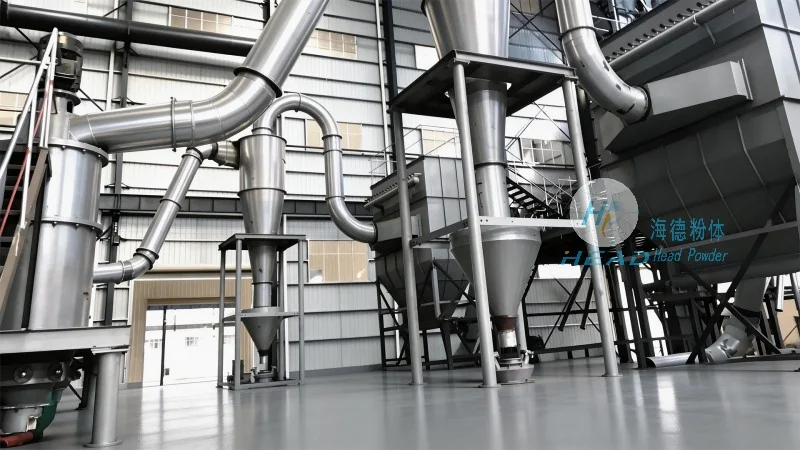
Compared to traditional mechanical conveying systems like belt conveyors or screw conveyors, pneumatic conveying offers several advantages for glass particle handling. First, it eliminates the need for physical contact between the glass particles and the conveyor components, reducing the risk of particle contamination and damage. Second, the non-contact nature of the system prevents the buildup of static electricity, which is a common issue with glass materials. Third, the flexibility of pneumatic conveying allows for multiple material discharge points and complex routing, making it easier to integrate into existing production layouts. Additionally, the dust-free operation of these machines improves workplace safety and reduces the need for extensive dust control measures.
Installation and Maintenance Considerations
Proper installation and regular maintenance are essential for the optimal performance of a glass particle material pneumatic conveying machine. HeadPowder provides comprehensive installation services, ensuring that the equipment is correctly set up and integrated into the production process. Maintenance involves regular checks of air pressure, filter cleanliness, and pipeline integrity. The company's technical support team offers guidance on maintenance schedules and troubleshooting common issues, such as clogging or air leaks. By adhering to recommended maintenance practices, users can maximize the lifespan and efficiency of their pneumatic conveying systems.