

What is a Bamboo Powder Pneumatic Conveyor? What Are Its Design Principles?
A pneumatic conveyor for bamboo powder is a mechanical system that uses pressurized air or a vacuum to transport fine bamboo powder particles through a pipeline. This technology is widely used in the bamboo processing industry due to its efficiency in handling delicate and dusty materials. The system typically consists of a feeding hopper, a conveying line, a separation unit, and a discharge outlet, all working in tandem to ensure smooth material transport with minimal loss or degradation.
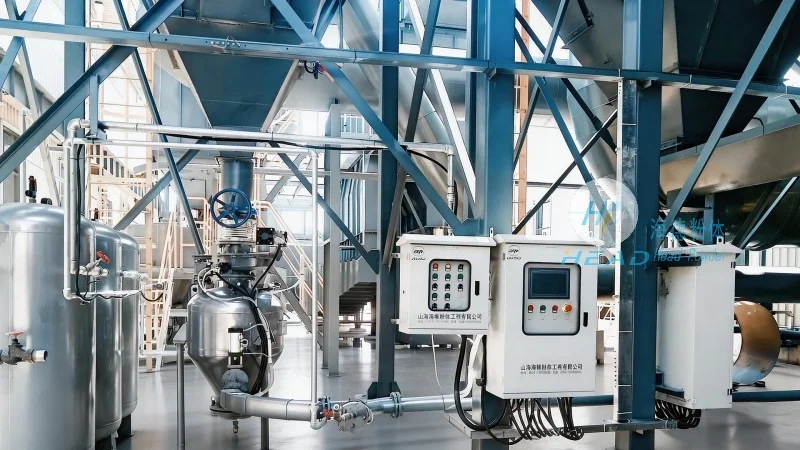
HeadPowder: A Trusted Manufacturer in Shandong, China
HeadPowder Engineering Co., Ltd., headquartered in Shandong, China, is a reputable company dedicated to developing and manufacturing high-quality pneumatic conveying equipment. With years of experience in the industry, HeadPowder has established itself as a reliable partner for businesses seeking efficient and reliable solutions for bamboo powder handling. The company’s commitment to innovation and customer satisfaction has made it a preferred choice among clients in various sectors.
Design Principles of Pneumatic Conveyors for Bamboo Powder
The design of a bamboo powder pneumatic conveyor is based on several key principles to ensure optimal performance and material integrity. The first principle is the selection of the appropriate conveying method, which can be either suction (or negative pressure) or pressure (or positive pressure) systems. Suction systems are ideal for short-distance transport and low-volume applications, while pressure systems are better suited for longer distances and higher material flow rates. For bamboo powder, which is often fine and prone to dusting, a pressure system is commonly preferred as it provides better control over the material flow and reduces the risk of clogging.
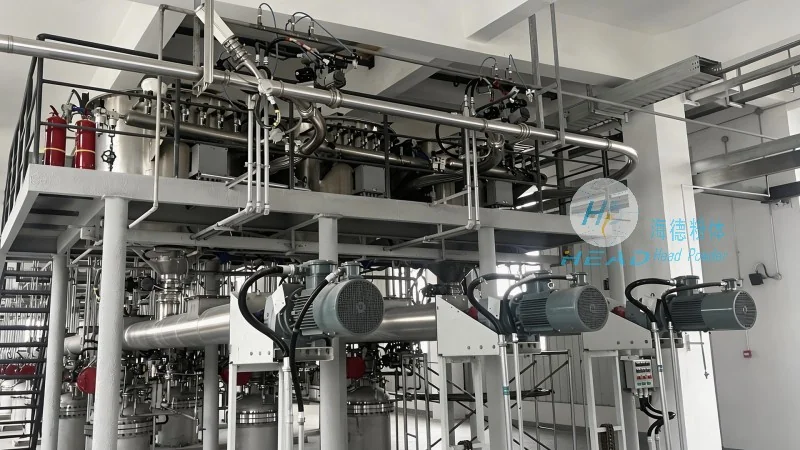
The second design principle is the configuration of the pipeline system. The pipeline is typically made of stainless steel or other corrosion-resistant materials to prevent contamination and ensure durability. The diameter and length of the pipeline are carefully calculated based on the material’s properties, such as particle size, density, and moisture content. For bamboo powder, which has a relatively low bulk density, a larger pipeline diameter may be required to maintain sufficient air velocity and prevent particle settling.
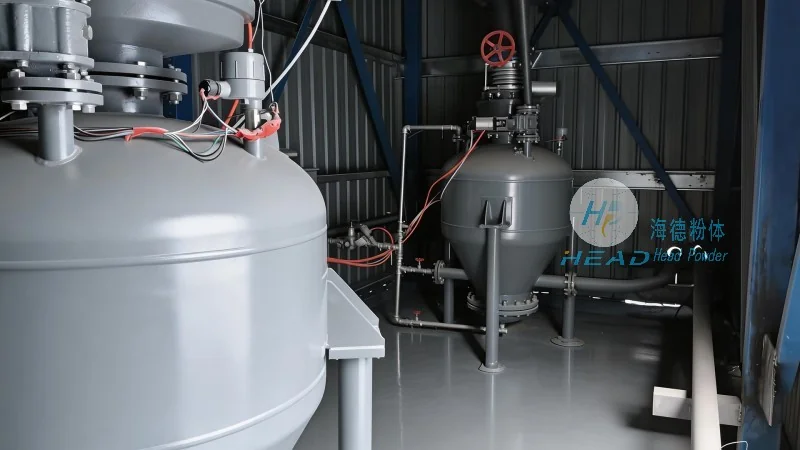
The third principle involves the design of the feeding and separation units. The feeding hopper is designed to evenly distribute the bamboo powder into the pipeline, minimizing the risk of blockages. It often includes a rotary valve or a star feeder to control the material flow rate. The separation unit, typically a cyclone or a bag filter, is used to separate the powder from the air stream, ensuring that the material is discharged cleanly and the air is filtered before release. The design of these units is critical to maintaining the purity of the bamboo powder and complying with environmental regulations.
Key Components and Their Functions
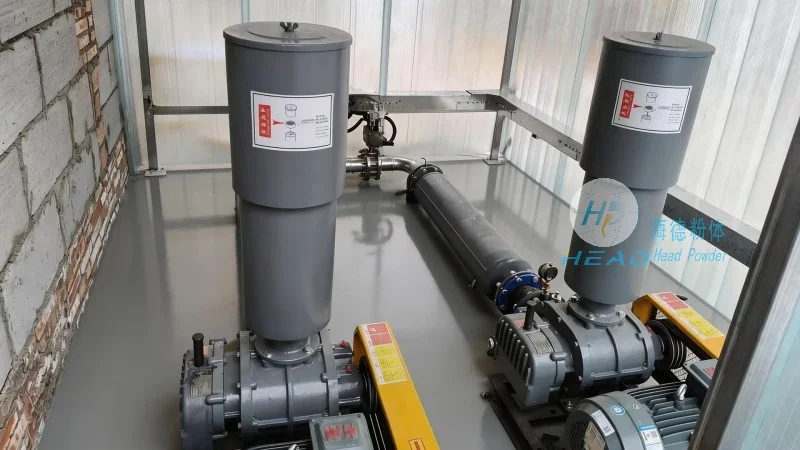
A bamboo powder pneumatic conveyor consists of several key components, each playing a vital role in the overall system. The feeding hopper is responsible for storing and feeding the bamboo powder into the pipeline. It is usually equipped with a level indicator and a discharge valve to control the material flow. The conveying line, made of high-quality materials, transports the powder and air mixture from the hopper to the separation unit. The separation unit, as mentioned earlier, separates the powder from the air and collects it in a discharge container. The air handling system, which includes a blower or a vacuum pump, provides the necessary pressure or vacuum to drive the material through the pipeline. The control system, often a PLC (Programmable Logic Controller), monitors and controls the operation of the entire system, ensuring that it runs smoothly and efficiently.
Benefits of Using Bamboo Powder Pneumatic Conveyors
There are several benefits to using pneumatic conveyors for bamboo powder handling. First, it offers a dust-free and clean operation, which is essential for maintaining product quality and meeting environmental standards. Unlike traditional belt or bucket elevators, pneumatic conveyors do not generate dust, reducing the risk of contamination and improving workplace safety. Second, it provides a continuous and uniform material flow, which is crucial for maintaining consistent product quality and production efficiency. Third, it is flexible and can be easily integrated into existing production lines, allowing for easy expansion or modification. Finally, it is energy-efficient compared to other conveying methods, reducing operational costs and environmental impact.