Mineral powder pneumatic conveying systems are critical in modern industrial operations, particularly for the efficient and safe transport of bulk materials like powders and granules. These systems utilize compressed air or other gases to move materials through a network of pipes, offering a flexible and often more cost-effective alternative to traditional mechanical conveying methods. Understanding the components, working principles, and design considerations of such systems is essential for optimizing material handling processes in various industries.
HeadPowder, a leading provider in the field, specializes in the design, manufacturing, and installation of advanced pneumatic conveying solutions. With a strong presence in China, particularly in Shandong, the company leverages decades of expertise to deliver customized systems tailored to the unique needs of clients across sectors including mining, chemicals, food processing, and more. The following sections explore the fundamental aspects of mineral powder pneumatic conveying, including its design principles and practical applications.
What is a Mineral Powder Pneumatic Conveying System?
A mineral powder pneumatic conveying system is a closed-loop or open-loop system that uses pressurized air to transport dry powders or fine particulates from a source to a destination. The system typically consists of several key components: a material feed device, a gas source (usually a blower or compressor), a conveying pipeline, a separation unit, and a receiving container. The primary goal is to move bulk materials with minimal dust generation, reduced labor costs, and increased operational flexibility compared to traditional methods like belt conveyors or bucket elevators.
Key Design Principles for Efficient Mineral Powder Conveying
The effectiveness of a pneumatic conveying system depends heavily on adherence to specific design principles that ensure optimal performance, energy efficiency, and material integrity. These principles include:
- Gas-Solid Ratio: This ratio, which is the mass of material to the mass of air used, is a critical parameter. An appropriate ratio ensures that the material is fully suspended and transported without clogging or excessive pressure drops. For mineral powders, typical gas-solid ratios range from 0.1 to 0.5, depending on the particle size, density, and moisture content of the material.
- Pipeline Diameter and Length: The diameter of the conveying pipe is determined by the required flow rate and the gas-solid ratio. Larger diameters reduce pressure losses but increase system cost and space requirements. The length of the pipeline affects the overall pressure drop, which must be managed by the blower or compressor capacity. Proper sizing of the pipeline is essential to maintain a stable conveying velocity.
- Conveying Velocity: The velocity of the air within the pipeline must be sufficient to keep the material suspended but not so high as to cause excessive wear on the system components or excessive energy consumption. The optimal velocity is typically between 20 to 30 meters per second for most mineral powders, though this can vary based on particle characteristics.
- Pressure and Flow Control: The system must maintain consistent pressure and flow rates to ensure reliable material transport. This often involves using variable frequency drives (VFDs) for blowers, pressure sensors, and flow meters to monitor and adjust the system parameters in real-time. Proper control of pressure and flow prevents issues such as blockages, material degradation, or system inefficiencies.
Components and Working Mechanism
Each component of a mineral powder pneumatic conveying system plays a vital role in the overall operation. The following is a breakdown of the key components and their functions:
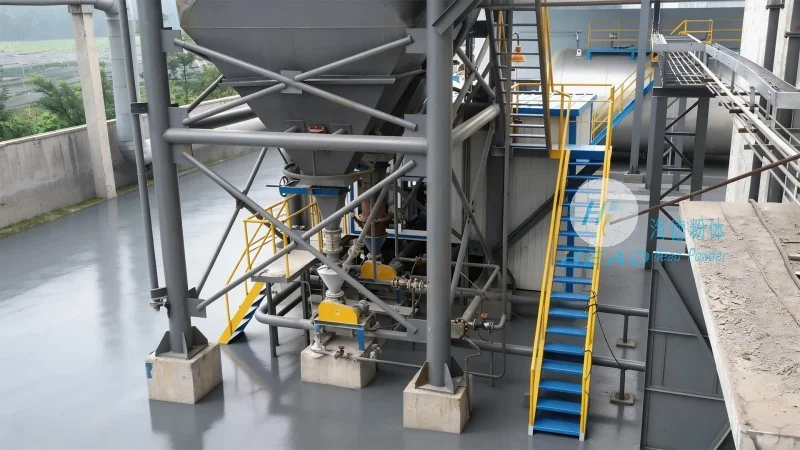
- Material Feed Device: This component, such as a rotary valve or a star feeder, controls the flow rate of the mineral powder into the system. It ensures a consistent and controlled feed, preventing overloading or underloading of the conveying line. The feed device is typically equipped with a hopper to store the material and a sealing mechanism to prevent dust leakage.
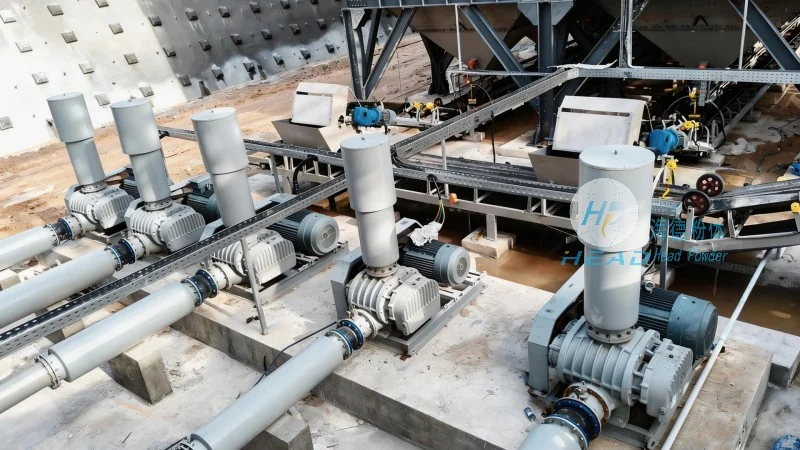
- Gas Source (Blower/Compressor): The gas source provides the necessary pressure and volume of air to move the material through the pipeline. Positive displacement blowers are commonly used for low to medium pressure applications, while centrifugal compressors are suitable for higher pressure requirements. The choice of equipment depends on the system's capacity, pressure needs, and energy efficiency goals.
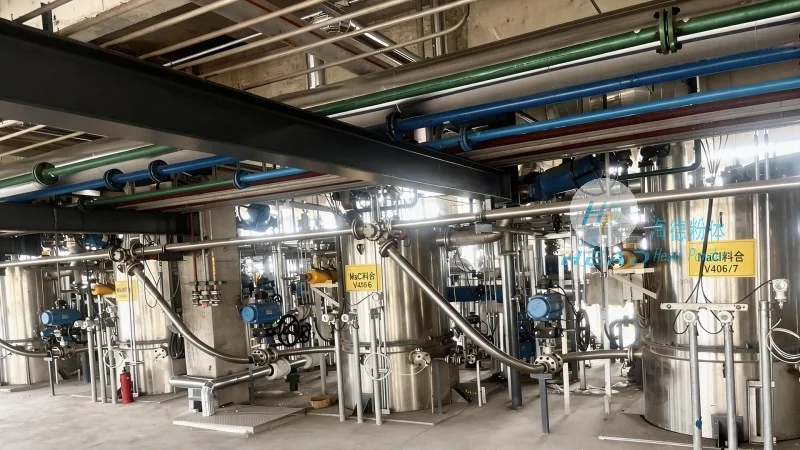
- Conveying Pipeline: The pipeline is the main pathway for transporting the material and air mixture. It is typically made of stainless steel or other corrosion-resistant materials to withstand the abrasive nature of mineral powders. The pipeline design includes bends, elbows, and straight sections, all of which must be optimized to minimize pressure losses and maintain consistent flow.
- Separation Unit: At the receiving end of the system, a separation unit (such as a cyclone or a bag filter) separates the material from the air. The air is then discharged to the atmosphere or recirculated, while the material is collected in a hopper or container. The separation efficiency is crucial to prevent dust emissions and ensure that the material is fully recovered.
- Receiving Container: The receiving container stores the conveyed material, allowing for further processing or storage. It is typically designed to handle the material's characteristics, such as its bulk density and flowability, to prevent issues like bridging or segregation.
Applications and Benefits in Industrial Settings
Mineral powder pneumatic conveying systems are widely used in various industrial applications due to their versatility and efficiency. Some common applications include:
- Mining and Mineral Processing: Transporting ore powders, tailings, and other mineral products from processing plants to storage or disposal sites. The systems help in reducing dust exposure and improving safety in mining operations.
- Chemical Manufacturing: Conveying powders like fertilizers, pigments, and chemicals between processing units, reactors, and storage tanks. The closed-loop design minimizes contamination and environmental impact.
- Food and Pharmaceutical Industries: Handling food powders, such as flour, sugar, and spices, and pharmaceutical powders in a sterile and hygienic manner. The systems are designed to meet strict regulatory requirements for cleanliness and material integrity.
- Construction Materials: Transporting cement, sand, and other building materials to construction sites or storage facilities. The systems offer flexibility in routing and can handle long distances and multiple delivery points.
Despite the initial investment, the long-term benefits of pneumatic conveying systems often outweigh the costs. These benefits include reduced labor and maintenance costs, lower energy consumption compared to some mechanical systems, increased safety by minimizing dust exposure, and improved process control through automated systems. Additionally, the ability to handle a wide range of materials and adapt to changing production needs makes pneumatic conveying a preferred choice for many industries.
HeadPowder, with its headquarters in Shandong, China, continues to innovate and provide high-quality pneumatic conveying solutions tailored to the evolving needs of its clients. By focusing on robust design, efficient operation, and customer satisfaction, the company ensures that its systems deliver reliable performance and contribute to the overall success of industrial operations worldwide.

 Shandong Headpowder Engineering Co., Ltd.
 156-6277-7102(Manager Zhang)
  0531-83386006
  Zhangqiu District, Jinan City, Shandong Province, China