With more than 10‑year industry experience, Shandong Headpowder delivers full‑service pneumatic‑conveying systems and blowers, undertaking nationwide turn‑key powder‑handling projects.
When it comes to transporting plastic pellets, selecting the right conveying system is crucial for efficiency, cost-effectiveness, and operational reliability. Two primary methods dominate the industry: positive pressure conveying and negative pressure conveying. Understanding the differences and how to choose between them is essential for optimizing your material handling processes. This article will explore the key factors to consider when deciding between positive and negative pressure for plastic pellet conveying, with a focus on practical applications and system characteristics.
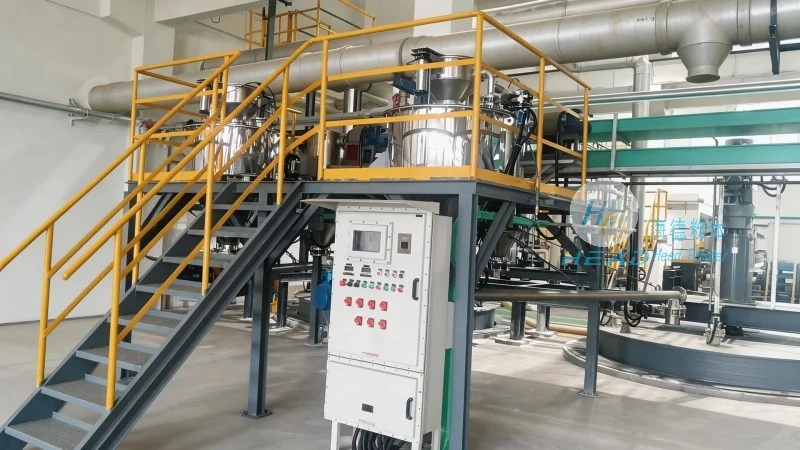
As a leading provider in the field, Shandong HeadPowder Engineering Co., Ltd. specializes in designing and manufacturing advanced conveying solutions tailored to the unique needs of plastic processing industries. With decades of experience, HeadPowder delivers high-performance systems that ensure smooth, reliable material transport while minimizing downtime and maintenance costs. Based in Shandong, China, the company leverages local expertise and global standards to meet the diverse requirements of its clients worldwide.
Positive pressure conveying systems operate by forcing air or gas through the material to be transported. This method uses a positive pressure source, such as a blower or fan, to push the material forward. The primary advantage of positive pressure is its ability to handle a wide range of materials, including those with high moisture content or abrasive properties. It is particularly effective for long-distance conveying and can maintain consistent material flow rates, even in challenging environments. Positive pressure systems are also known for their simplicity in design and lower initial investment compared to negative pressure systems. However, they may require more energy to operate and can generate higher noise levels, which might be a concern in certain industrial settings.
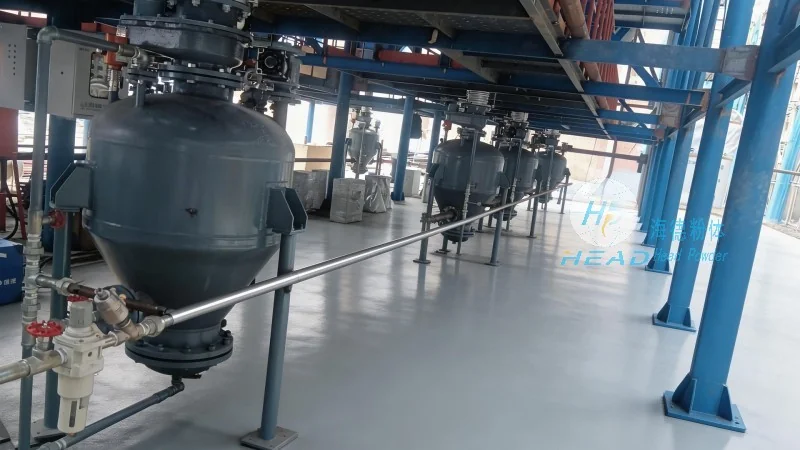
Negative pressure conveying, also known as vacuum conveying, operates by creating a vacuum in the system to draw material into the conveying line. This method uses a vacuum pump to pull the material from the source and transport it to the destination. The key benefits of negative pressure include lower energy consumption compared to positive pressure, as the system only needs to overcome the resistance of the material and the system itself. It is also quieter and can handle materials that are sensitive to pressure changes or high temperatures. Negative pressure systems are ideal for short to medium-distance conveying and are commonly used in applications where the material is light and easily entrained by the air flow. However, they may have limitations in handling dense or heavy materials, as the vacuum may not be sufficient to pull larger quantities efficiently.
Choosing between positive and negative pressure conveying depends on several critical factors, including the material properties, conveying distance, system layout, and operational requirements. Here are some key considerations to help you make an informed decision:
By carefully evaluating these factors, you can determine which conveying method best suits your specific needs. For instance, a manufacturing plant processing high-volume, abrasive plastic pellets over a long distance might opt for a positive pressure system, while a small-scale operation handling lightweight, non-abrasive pellets over short distances might choose a negative pressure system.
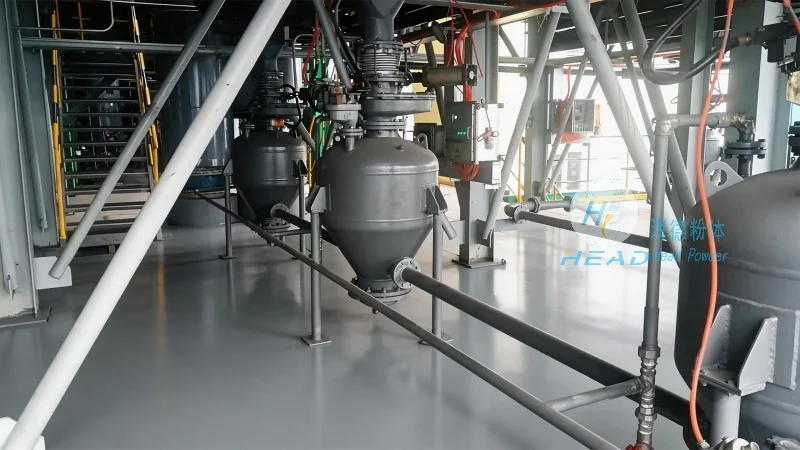
Shandong HeadPowder Engineering Co., Ltd. offers a comprehensive range of conveying solutions designed to meet the diverse requirements of plastic pellet processing. The company's expertise lies in customizing systems to match the specific characteristics of your material, ensuring optimal performance and reliability. Whether you need a positive pressure system for long-distance transport or a negative pressure system for short-distance handling, HeadPowder provides tailored solutions that enhance your operational efficiency. The company's team of engineers works closely with clients to assess their needs, design the most suitable system, and provide ongoing support to ensure long-term success.
Choosing between positive and negative pressure for plastic pellet conveying is a critical decision that impacts the efficiency and cost-effectiveness of your material handling operations. By understanding the advantages and limitations of each method and considering factors such as material properties, conveying distance, and energy efficiency, you can make an informed choice. Shandong HeadPowder Engineering Co., Ltd. stands ready to assist with expert guidance and high-quality conveying systems that meet your specific needs. Whether you opt for positive or negative pressure, HeadPowder's solutions are designed to deliver reliable, efficient performance, helping you achieve your production goals with minimal downtime and maximum productivity.

 Shandong Headpowder Engineering Co., Ltd.
 156-6277-7102(Manager Zhang)
  0531-83386006
  Zhangqiu District, Jinan City, Shandong Province, China
telephone
WeChatconsult
top