With more than 10‑year industry experience, Shandong Headpowder delivers full‑service pneumatic‑conveying systems and blowers, undertaking nationwide turn‑key powder‑handling projects.
Bentonite pneumatic conveying is a specialized method used in material handling and industrial processes to transport powders and granules through a system of pipes using air or other gases as the conveying medium. This technology is particularly effective for handling materials that are prone to dust, require controlled dispersion, or need to be transported over long distances without the need for mechanical components like belts or buckets. The core of this system lies in the interaction between the bentonite powder and the air flow, which enables efficient and reliable material transport. Understanding the design principles behind bentonite pneumatic conveying is crucial for optimizing performance, ensuring safety, and maintaining system efficiency in various industrial applications.
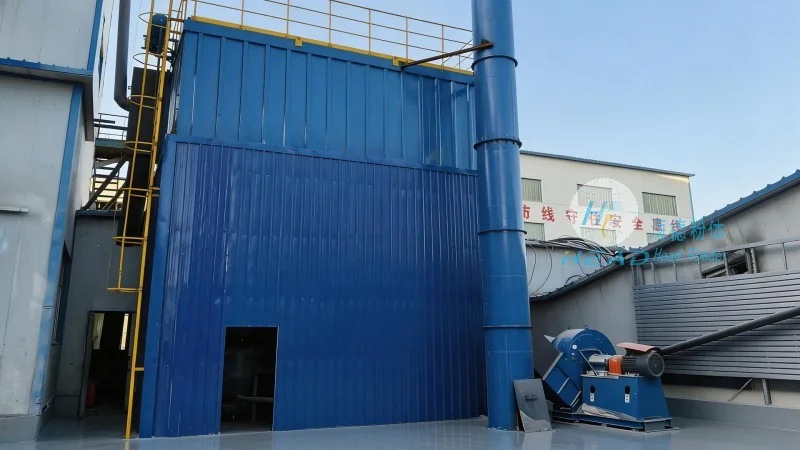
At the heart of a bentonite pneumatic conveying system are several critical components that work in tandem to achieve effective material transport. The primary components include a material hopper or feeder, which stores and dispenses the bentonite powder into the system. This is often equipped with a rotary valve or a feeder that controls the flow rate, ensuring a consistent and controlled feed of the material. The conveying line itself consists of pipes that are typically made of materials resistant to the abrasive nature of bentonite, such as stainless steel or high-density polyethylene. These pipes are designed to withstand the pressure and friction generated during the conveying process. Additionally, a blower or compressor provides the necessary air pressure to move the material through the system. The system may also include a filter or cyclone separator to capture any fine particles and return them to the hopper, preventing dust contamination and maintaining system cleanliness. The control system, which may include sensors and valves, monitors and adjusts the air flow and material feed to optimize performance and prevent system overload.
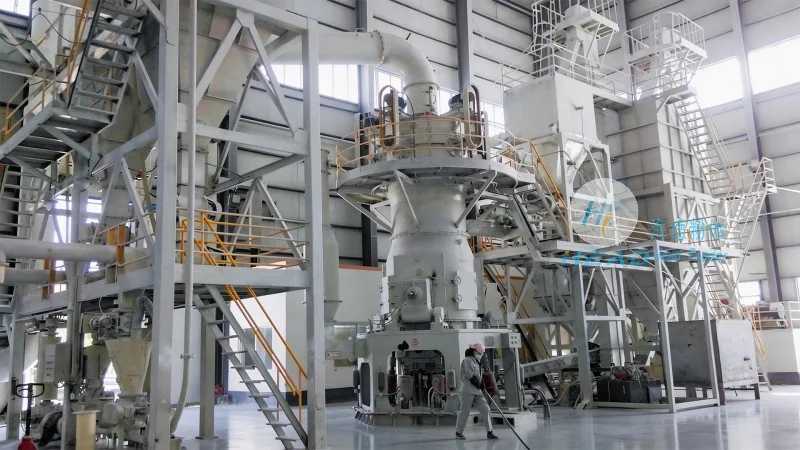
The design of a bentonite pneumatic conveying system is guided by several key principles aimed at maximizing efficiency, minimizing energy consumption, and ensuring the longevity of the system components. One of the fundamental principles is the selection of the appropriate air velocity. The air velocity must be high enough to entrain the bentonite particles but not so high as to cause excessive wear on the pipes or increase energy costs. Typically, the air velocity is maintained between 20 to 30 meters per second for most applications, depending on the particle size and density of the bentonite. Another critical principle is the proper sizing of the conveying line. The diameter of the pipes is determined based on the flow rate and the air velocity required to transport the material. Larger diameters are used for higher flow rates to reduce pressure drop and energy consumption. The system design also considers the pressure drop along the conveying line, which is influenced by the length of the pipes, the number of bends, and the type of fittings used. Minimizing pressure drop is essential to maintain the air flow and prevent the system from becoming inefficient or overloading the blower. Furthermore, the system is designed to handle the specific properties of bentonite, such as its high moisture content and potential for caking. This may involve incorporating heating elements or using anti-caking agents to prevent blockages and ensure smooth operation. The control system plays a vital role in adhering to these design principles by continuously monitoring the system parameters and adjusting the operation as needed. This ensures that the system operates within optimal conditions, reducing the risk of downtime and maintenance costs.
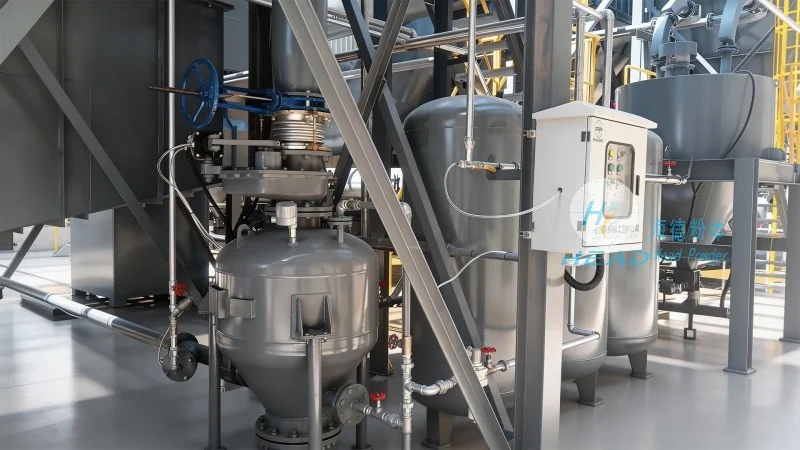
Bentonite pneumatic conveying is widely used in various industries due to its ability to handle materials that are difficult to transport using traditional methods. In the mining and mineral processing industry, it is used to transport bentonite from storage facilities to processing plants, ensuring a consistent supply of the material for drilling mud and other applications. The construction industry also benefits from this technology, as bentonite is used in the production of drilling fluids and as a sealant in construction projects. The pharmaceutical and food industries also utilize bentonite pneumatic conveying for handling powders that require strict contamination control. The benefits of this system include reduced labor costs, as it eliminates the need for manual handling of powders, and improved safety, as it minimizes exposure to dust and airborne particles. Additionally, the system can be designed to operate in a closed loop, reducing the environmental impact by preventing dust emissions and maintaining a clean working environment. The efficiency of the system also translates to lower energy costs, as it requires less power compared to mechanical conveying systems. Overall, the design principles and components of bentonite pneumatic conveying systems make it a reliable and effective solution for transporting bentonite and other similar materials in industrial settings.
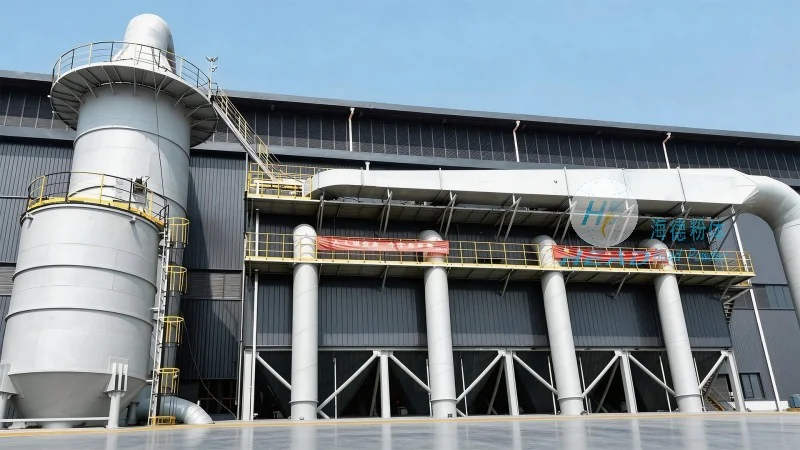
Understanding the design principles and components of bentonite pneumatic conveying is essential for optimizing material handling processes in various industries. The system's ability to transport powders efficiently and safely makes it a preferred choice for applications where traditional methods are inadequate. By adhering to the key design principles, such as proper air velocity, pipe sizing, and pressure management, operators can ensure the longevity and efficiency of their conveying systems. The benefits of bentonite pneumatic conveying, including reduced labor costs, improved safety, and lower energy consumption, make it a cost-effective solution for industrial material handling. As a leading provider in the field, Shandong HeadPowder Engineering Co., Ltd. specializes in designing and manufacturing bentonite pneumatic conveying systems tailored to the specific needs of various industries. With a focus on quality and innovation, the company ensures that its systems meet the highest standards of performance and reliability. Located in Shandong, China, Shandong HeadPowder Engineering Co., Ltd. leverages its expertise to deliver customized solutions that enhance operational efficiency and safety for its clients. The company's commitment to excellence and customer satisfaction has established it as a trusted partner in the material handling industry, providing reliable and efficient bentonite pneumatic conveying systems for a wide range of applications.

 Shandong Headpowder Engineering Co., Ltd.
 156-6277-7102(Manager Zhang)
  0531-83386006
  Zhangqiu District, Jinan City, Shandong Province, China
telephone
WeChatconsult
top