With more than 10‑year industry experience, Shandong Headpowder delivers full‑service pneumatic‑conveying systems and blowers, undertaking nationwide turn‑key powder‑handling projects.
Denitrification fly ash is a critical byproduct generated during the selective catalytic reduction (SCR) process used to reduce nitrogen oxide emissions from power plants and industrial facilities. The efficient handling and transport of this material is essential for maintaining plant operations and environmental compliance. Pneumatic conveying systems offer a reliable solution for transporting denitrification fly ash from the SCR reactor to storage or disposal locations. This article explores the concept of denitrification fly ash pneumatic conveying and delves into the key design principles that ensure effective and safe operation.
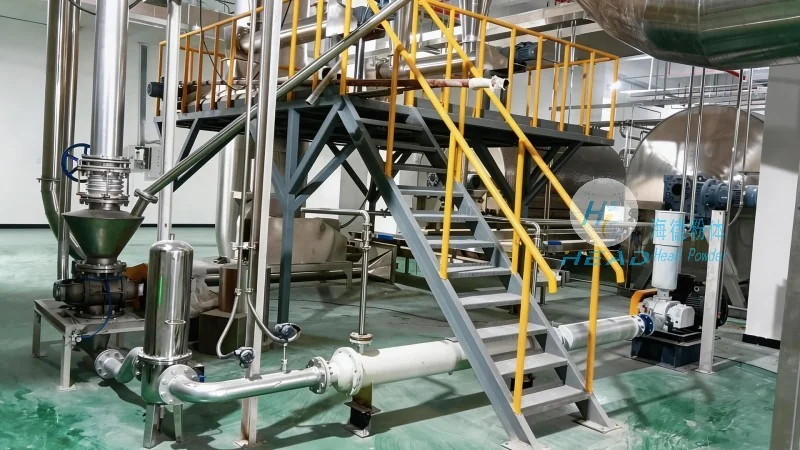
Denitrification fly ash, also known as SCR fly ash, is a fine particulate material that results from the reaction of ammonia with nitrogen oxides in the presence of a catalyst. This process is commonly employed in coal-fired power plants and other industrial combustion facilities to meet stringent air quality regulations. The ash produced is typically alkaline, containing high levels of calcium and other metal oxides, and requires specialized handling due to its abrasive nature and potential for dust generation. Traditional methods of ash handling, such as belt conveyors or screw conveyors, may not be suitable for this material due to the risk of equipment wear and the need for dust control measures. Pneumatic conveying provides a closed system that minimizes dust exposure and protects equipment from corrosion and abrasion.
Pneumatic conveying systems use air or other gases to transport bulk materials through a pipeline network. For denitrification fly ash, two primary types of systems are commonly used: dilute-phase and dense-phase. Dilute-phase systems operate at higher air-to-material ratios, moving material at relatively high velocities through the pipeline. This method is suitable for short to medium distances and low to moderate material loads. Dense-phase systems, on the other hand, operate at lower air-to-material ratios, creating a slurry-like flow where material moves in a more controlled manner. Dense-phase systems are ideal for longer distances and higher material loads, as they provide better control over material flow and reduce the risk of clogging. The choice between these systems depends on factors such as the distance between the source and destination, the material flow rate, and the required material handling efficiency.
The successful design of a denitrification fly ash pneumatic conveying system involves several critical principles that ensure optimal performance, safety, and longevity. First, the system must be designed to handle the abrasive and corrosive nature of the fly ash. This requires the use of high-quality materials, such as stainless steel or specialized alloys, for the conveying pipes, valves, and other components. The selection of appropriate materials is crucial to prevent premature wear and equipment failure. Second, the system must incorporate effective dust control measures to comply with environmental regulations and protect personnel. This includes the use of filters, cyclones, and other dust collection equipment to capture and contain airborne particles. Third, the system must be designed for efficient material flow and minimal pressure drop. This involves optimizing the pipeline diameter, air velocity, and system layout to minimize energy consumption and ensure consistent material transport. Fourth, the system must include proper safety features, such as pressure relief valves and emergency shutdown mechanisms, to prevent accidents and ensure safe operation. Finally, the system must be designed for easy maintenance and inspection. This includes providing access points for cleaning and inspection, as well as using components that are easy to replace or repair.
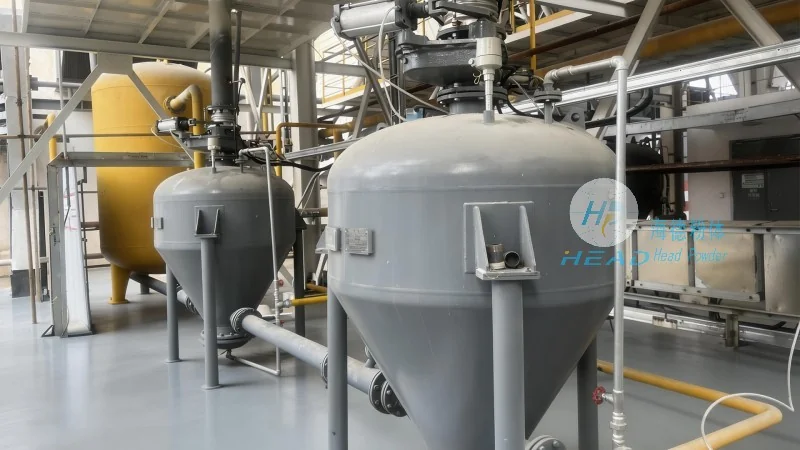
A typical denitrification fly ash pneumatic conveying system consists of several key components that work together to transport the material. The primary components include a material feed hopper, a blower or compressor, conveying pipes, control valves, and a material discharge system. The material feed hopper is used to store and feed the fly ash into the system, ensuring a consistent flow rate. The blower or compressor provides the necessary air pressure to move the material through the pipeline. The conveying pipes are designed to withstand the abrasive and corrosive nature of the fly ash, with appropriate diameter and material selection. Control valves are used to regulate the flow of air and material, ensuring smooth operation and preventing clogging. The material discharge system is used to deliver the fly ash to its final destination, such as a storage silo or disposal site. Additional components may include filters, cyclones, and dust collection systems to control dust emissions and protect the environment.
There are several advantages to using pneumatic conveying systems for denitrification fly ash. First, the closed system design minimizes dust exposure and protects personnel from inhalation of fine particles. This is crucial for maintaining a safe working environment and complying with occupational health regulations. Second, the system is highly efficient in terms of material transport, as it can move large quantities of fly ash over long distances with minimal energy consumption. Third, the system is flexible and can be easily adapted to changing operational conditions, such as varying material flow rates or distances. Fourth, the system is relatively low maintenance compared to other handling methods, as it has fewer moving parts and requires less frequent cleaning. Finally, the system is cost-effective in the long run, as it reduces equipment wear and the need for frequent repairs, leading to lower operational costs.
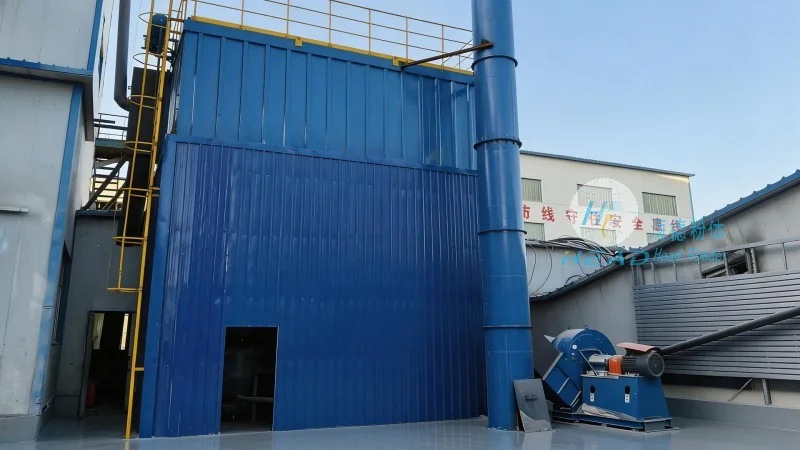
While pneumatic conveying offers many benefits for denitrification fly ash handling, there are also several challenges and considerations that must be addressed. One of the main challenges is the abrasive nature of the fly ash, which can cause significant wear on the conveying system components. This requires regular maintenance and replacement of parts to ensure the system operates efficiently. Another challenge is the risk of clogging in the pipeline, which can be caused by the high moisture content or the presence of foreign materials in the ash. This can be mitigated by using dense-phase systems or by incorporating cleaning mechanisms into the design. Additionally, the system must be designed to handle the high temperatures that may be present in the fly ash, as the SCR process can generate hot ash that can damage the conveying system if not properly managed. Finally, the system must comply with environmental regulations regarding dust emissions and noise levels, which may require additional equipment or modifications to the design.
Shandong HeadPowder Engineering Co., Ltd., a leading provider of bulk material handling solutions, has successfully implemented denitrification fly ash pneumatic conveying systems for several power plants and industrial facilities. One notable project involved the design and installation of a dense-phase pneumatic conveying system for a coal-fired power plant in China. The system was designed to transport 200 tons of denitrification fly ash per hour from the SCR reactor to a storage silo located 500 meters away. The system was constructed using high-quality stainless steel components and incorporated advanced control systems to ensure efficient and safe operation. The system has been in operation for over five years, with minimal maintenance and high material transport efficiency. The success of this project demonstrates the effectiveness of pneumatic conveying systems in handling denitrification fly ash and the expertise of Shandong HeadPowder Engineering Co., Ltd. in designing and implementing such systems.
Denitrification fly ash pneumatic conveying is a critical technology for the efficient and safe handling of a major industrial byproduct. The design and implementation of a successful system require careful consideration of the material properties, operational requirements, and environmental regulations. By adhering to the key design principles outlined in this article, such as using appropriate materials, incorporating effective dust control measures, and optimizing system layout, facilities can ensure the reliable and sustainable transport of denitrification fly ash. The use of pneumatic conveying systems not only improves operational efficiency but also enhances safety and environmental compliance. As the demand for cleaner air and more sustainable energy solutions continues to grow, the importance of effective denitrification fly ash handling will only increase. Companies like Shandong HeadPowder Engineering Co., Ltd. play a vital role in providing the expertise and solutions needed to meet these challenges and ensure a cleaner environment for future generations.

 Shandong Headpowder Engineering Co., Ltd.
 156-6277-7102(Manager Zhang)
  0531-83386006
  Zhangqiu District, Jinan City, Shandong Province, China
telephone
WeChatconsult
top