With more than 10‑year industry experience, Shandong Headpowder delivers full‑service pneumatic‑conveying systems and blowers, undertaking nationwide turn‑key powder‑handling projects.
HeadPowder, a leading manufacturer based in Shandong, China, specializes in the design and production of advanced pneumatic conveying systems tailored for handling rice flour and other fine powders. The principle of pneumatic conveying for rice flour involves using compressed air to transport the material from a source to a destination, ensuring efficient and clean material transfer. This technology is crucial in the food processing industry, where maintaining product purity and preventing contamination is paramount.
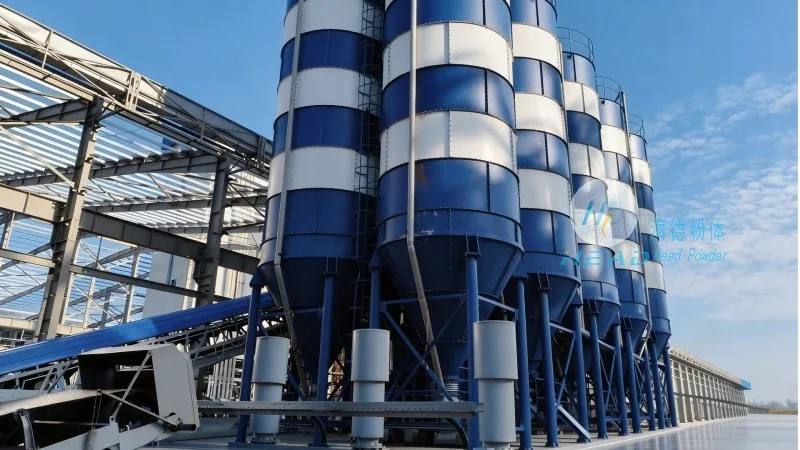
The pneumatic conveying system for rice flour typically consists of several core components that work in tandem to achieve effective material transport. These components include the hopper, which holds the rice flour; the air compressor or blower, which generates the necessary airflow; the conveying line, which is usually made of stainless steel to prevent material buildup and ensure hygiene; and the receiver, where the rice flour is deposited. Each component plays a vital role in the overall operation, ensuring that the rice flour is moved smoothly and without degradation.
There are primarily two types of pneumatic conveying systems used for rice flour: positive pressure and negative pressure systems. Positive pressure systems operate by blowing air into the conveying line, pushing the rice flour forward. This method is often preferred for short to medium distances and when the material is sensitive to pressure changes. Negative pressure systems, on the other hand, draw the rice flour into the line using a vacuum, which is suitable for longer distances and when the material needs to be transported from multiple sources to a single destination. HeadPowder offers both types, allowing customers to choose the most appropriate system based on their specific operational requirements.
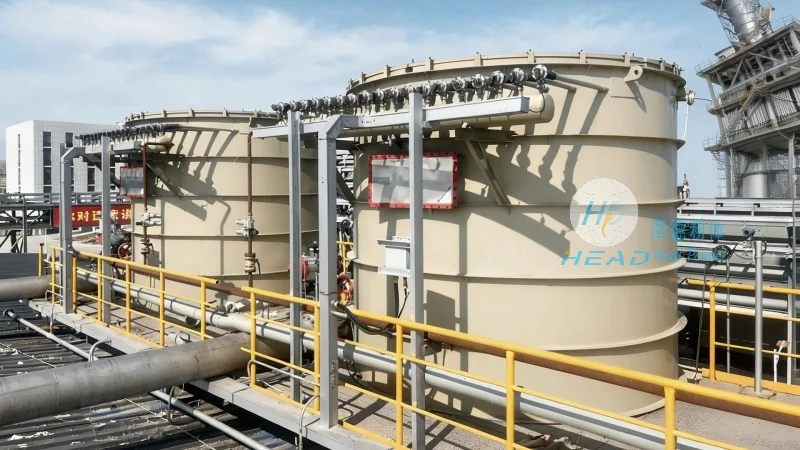
Implementing pneumatic conveying for rice flour offers numerous advantages over traditional methods such as belt conveyors or manual handling. One of the key benefits is the ability to maintain a closed system, which prevents dust contamination and ensures food safety compliance. Additionally, pneumatic systems are more hygienic and easier to clean, reducing the risk of cross-contamination in food processing facilities. The efficiency of material transfer is also significantly higher, as the system can handle large volumes of rice flour with minimal labor. Furthermore, these systems are compact and can be integrated into existing production lines without major modifications, making them a cost-effective solution for many food processing plants.
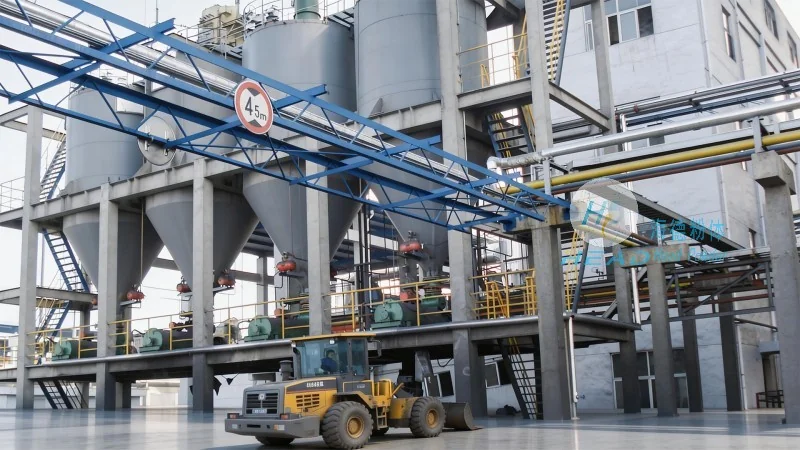
The pneumatic conveying equipment from HeadPowder is widely used in various applications within the food industry. For instance, in rice flour mills, the system is used to transport raw rice flour from storage silos to processing units, ensuring a continuous supply of material. In bakery and confectionery factories, the equipment is employed to move rice flour to mixing and baking areas, maintaining consistent product quality. Additionally, in the production of rice-based snacks and cereals, the pneumatic conveying system helps in transferring the flour to packaging lines, streamlining the entire production process. These applications highlight the versatility and reliability of the equipment in handling rice flour efficiently and safely.
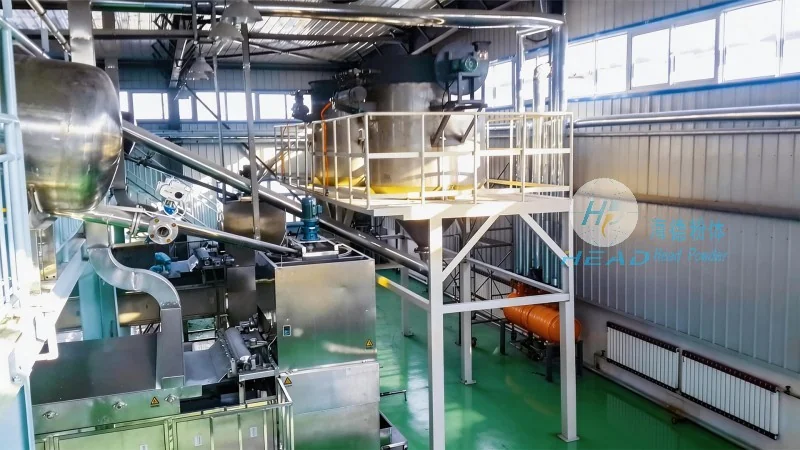
To ensure the longevity and optimal performance of the pneumatic conveying system for rice flour, regular maintenance is essential. HeadPowder recommends periodic cleaning of the conveying lines and components to prevent material buildup, which can affect airflow and efficiency. The air compressor or blower should also be checked regularly for proper functioning, as any issues with air pressure can impact the conveying process. Additionally, monitoring the system's pressure and flow rates helps in identifying potential problems early, allowing for timely repairs. By adhering to these maintenance practices, users can maximize the operational life of the equipment and minimize downtime.
HeadPowder's pneumatic conveying equipment provides an efficient and reliable solution for handling rice flour in the food processing industry. By understanding the working principle and key components of these systems, manufacturers can make informed decisions about implementing the most suitable technology for their operations. With its commitment to quality and innovation, HeadPowder continues to be a trusted partner in providing advanced material handling solutions that meet the highest standards of food safety and efficiency.

 Shandong Headpowder Engineering Co., Ltd.
 156-6277-7102(Manager Zhang)
  0531-83386006
  Zhangqiu District, Jinan City, Shandong Province, China
telephone
WeChatconsult
top